
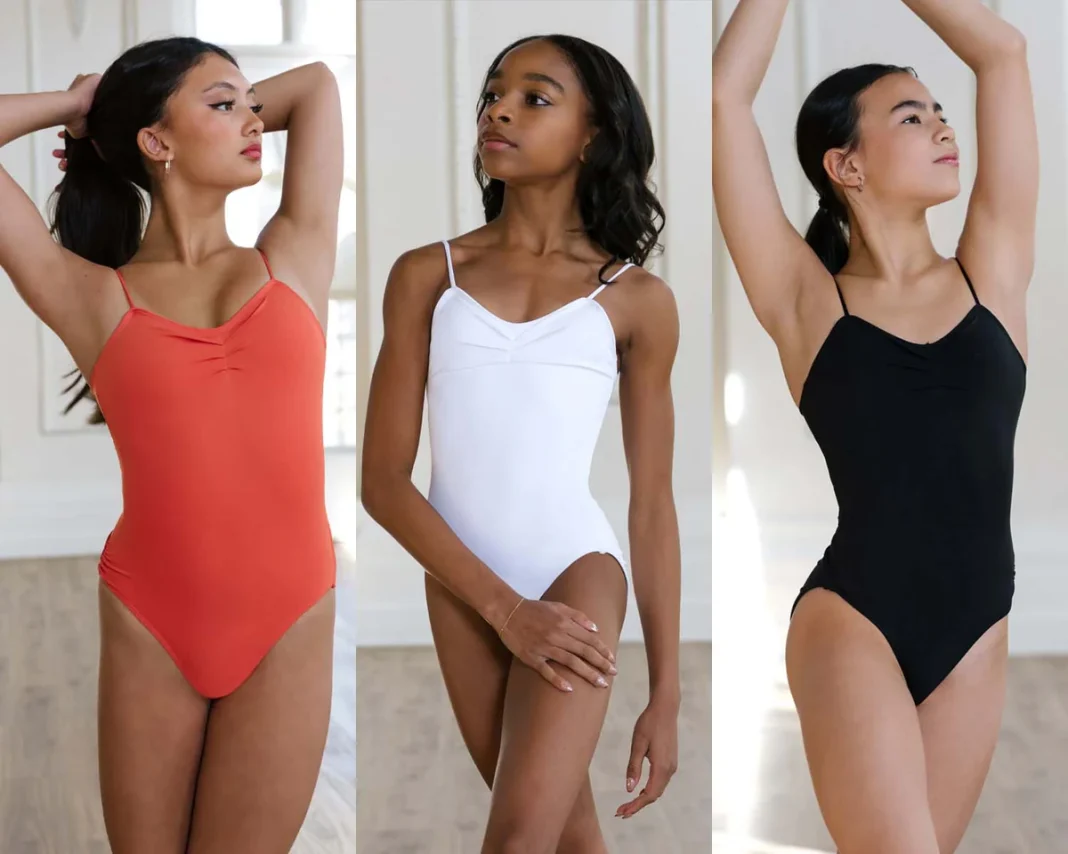
A dance convention is unlike anything else on the studio calendar. Over two or three days, a dancer may take master classes from eight or more working choreographers, repertory directors, and competition judges, often in styles that change from hour to hour. The choices that work for daily class do not always translate, and the right dance convention outfits can meaningfully affect how a dancer is seen, how their body recovers between sessions, and how much energy is available for the late afternoon classes that often matter most for scholarship and scouting consideration.
What the Convention Environment Actually Demands
Three factors define convention dress in ways that daily class does not.
First, the scale of evaluation. A dancer who attends only their home studio is seen by the same instructors week after week. At a convention, they are visible to faculty who may never see them again. Outfit choices that allow the body to be read clearly become genuinely important.
Second, the variety of genres. A morning ballet master class may be followed by hip hop, contemporary, jazz, and acro within the same day. An outfit that suits one style but compromises another costs the dancer something in every class it does not fit.
Third, endurance. Conventions are long. Bodies fatigue, fabrics dampen, temperatures shift between studios, and the dancer who is still moving cleanly at four in the afternoon stands out. Outfit choices that support recovery between numbers translate directly into stronger work in the final classes of the day.
The Visibility Question
Convention faculty watch hundreds of dancers across a weekend. Standing out for the right reasons depends on letting the body be visible. Fitted training pieces in solid colors photograph clearly, allow corrections to land, and read well from the front of the room.
Avoid anything that obscures the working line of the body during a master class. Oversized sweatshirts and loose pants worn into the room are fine for warm up and should come off as class begins. Distracting prints, slogans, or hardware draw the eye away from movement quality. The goal is to be remembered for how the dancer moves, not for what they were wearing.
Mobility and Style Switching Across Genres
The base layer should support every style on the schedule. A fitted leotard or crop top with athletic shorts or fitted leggings works across genres. From there, add or remove layers as the class demands. Hip hop and street styles tolerate looser layers over the base. Ballet and lyrical typically require the base layer alone.
Footwear deserves the same consideration. A weekend bag with jazz shoes, foot undeez or pirouette socks, sneakers for hip hop, and clean ballet slippers covers most convention faculty preferences. Pack a backup pair of each, since faculty often request specific footwear with little notice.
Recovery and Temperature Regulation
Studios run hot in some hours and cold in others. Layers that can be added and removed quickly between classes matter. A lightweight jacket or warm up sweater that pulls on over the base outfit during breaks, paired with leg warmers or joggers for the body to recover between sessions, prevents the kind of muscle cool down that contributes to injuries late in the day.
Hydration and snack choices play the same role. The outfit is one part of a larger system designed to keep the dancer working at full quality through the final class of each day.
Building a Three Day Plan
A practical convention wardrobe typically looks like this:
Day One
Lead with confidence. A well fitted base combination the dancer moves confidently in. Faculty form first impressions quickly, and the first day sets the tone for whether the dancer is noticed in callback opportunities later in the weekend.
Day Two
Vary the look without changing the function. A different base layer color or cut keeps the dancer visible to faculty who saw them yesterday while signaling preparation and seriousness.
Day Three or Finals Day
Most dancers reserve their most refined and well preserved combination for the final day, when scholarship auditions and faculty selections often take place. Treat this as audition dress.
The Convention Bag
Beyond the outfits, pack two complete base layers per day, two pairs of tights or shorts, footwear options for every style, a water bottle, snacks, a small towel, hair supplies for quick restyling, and a notebook for faculty corrections. The dancer who comes prepared looks like a professional in training.
Final Notes for Studios and Parents
For studios sending groups to conventions, a brief pre weekend discussion about expectations and outfit standards prevents the avoidable problems that distract from the dancer’s work. For parents, supporting a thoughtful packing process the night before each day is one of the most useful contributions to the weekend.
For dancers, studios, and parents preparing for an upcoming convention weekend, Tiger Friday develops apparel designed for the visibility, mobility, and durability demands of intensive multi day training environments. Explore the collection to build a convention wardrobe that supports the dancer’s best work from the first class on Friday to the final number on Sunday.