
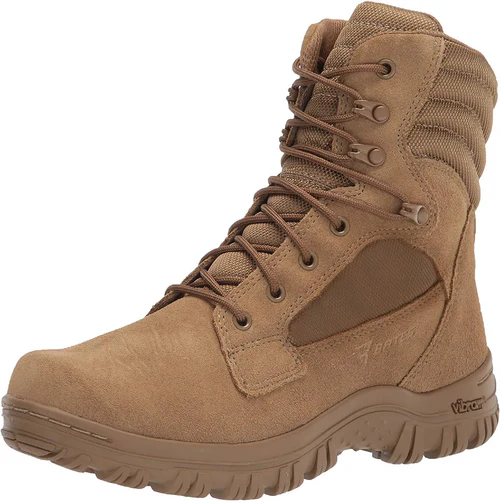
Leather boots are known for durability, support, and long-term comfort, but a new pair can sometimes feel stiff or tight during the first few wears. Whether the boots are for work, hiking, casual outfits, sport, or tactical use, knowing how to stretch leather boots can help improve comfort without damaging the material or changing the boot’s structure too much.
Leather naturally softens with use. As it warms and moves with the foot, it begins to shape itself around pressure points. However, that process can take time, especially with thicker work boots, western boots, hiking boots, and tactical footwear.
The goal is not to force the boot into a much larger size. Stretching works best when the boots are only slightly tight in certain areas, such as the toe box, instep, heel, or sides of the foot. When done carefully, it can reduce pressure and make the boots easier to wear for longer periods.
Why Leather Boots Feel Tight at First
New leather can feel firm because it has not yet adjusted to the shape of your foot. This is especially common with full-grain leather, work boot leather, western boot leather, and structured footwear designed for support.
Boots may also feel tight because of sock thickness. A pair that feels fine with thin socks may feel too snug with heavy work socks or insulated socks. This is important for people who wear boots in cold weather, on job sites, or during long outdoor activities.
Foot shape can also affect fit. Some people have wider forefeet, higher arches, or a higher instep. Even when the boot length is correct, these areas may create pressure until the leather relaxes.
When Stretching Makes Sense
Stretching makes sense when the boot is close to the right size but needs a little more comfort. For example, the sides may feel snug, the top of the foot may feel tight, or the toe box may need slightly more room.
However, stretching will not fix every sizing problem. Boots that are too short, painfully narrow, or causing numbness may be the wrong size or width. Leather can stretch slightly, but it cannot turn a poorly fitted boot into a correctly fitted one.
Pain is also a warning sign. Mild pressure during break-in is common, but sharp pain, tingling, or blisters should not be ignored. Boots should support your feet, not force them into an uncomfortable position.
Safe Ways to Stretch Leather Boots
One of the easiest methods is wearing the boots around the house with thick socks. This allows the leather to soften gradually while keeping the process controlled. Wear them for short periods at first, then increase the time as they become more comfortable.
A leather conditioner can also help. Conditioning keeps the material flexible and less likely to crack during the break-in process. Apply a small amount according to the product directions and test it on a hidden area first, since some conditioners can darken leather.
A boot stretcher is another useful option. Boot stretchers are designed to apply steady pressure to specific areas. Some models can stretch width, while others include small attachments for pressure points such as bunions or tight spots.
For expensive boots or stubborn tightness, a professional cobbler may be the safest choice. Cobblers have tools and experience that can stretch boots without putting too much stress on seams, soles, or leather panels.
Mistakes to Avoid When Stretching Boots
Avoid using direct heat, such as hair dryers, heaters, fireplaces, or strong sunlight. Heat can dry out leather, weaken the finish, and cause cracking. It may make the boot feel softer at first, but it can damage the material over time.
Do not soak boots in water to stretch them. Too much water can affect the leather, stitching, lining, and shape. Wet leather can also dry unevenly, leading to stiffness or warping.
Another mistake is trying to stretch boots too much at once. Leather responds better to gradual pressure. Forcing the process can damage the boot or create an uneven fit.
It is also important not to ignore the sole and heel fit. A boot that slips at the heel or bends in the wrong place may not be solved by stretching. Comfort depends on the full fit, not only the upper leather.
How to Choose Better-Fitting Boots Next Time
The best way to avoid fit issues is to choose boots based on how they will be used. Work boots may need more toe room for long shifts. Hiking boots need space for foot movement on uneven ground. Tactical boots should balance support, grip, and flexibility. Casual leather boots may focus more on appearance, but they should still feel stable and comfortable.
Width matters as much as length. Many people buy the right length but overlook width. A boot that is too narrow can create pressure even when the toes are not touching the front.
Try boots with the socks you plan to wear most often. This gives a more accurate fit. Also check the toe box, instep, heel, arch, and ankle support before deciding whether the boots are right for daily wear.
Leather boots often need a short break-in period, but they should not feel unbearable from the start. A good pair should feel firm and supportive, not painfully tight.
Final Thoughts
Stretching leather boots can improve comfort when the fit is close but slightly tight. The safest methods include wearing thick socks for short periods, using leather conditioner, trying a boot stretcher, or visiting a professional cobbler. Avoid direct heat, soaking, and forcing the leather too quickly, since these methods can damage the boots.
For men and women looking for work boots, hiking boots, tactical footwear, western styles, and everyday shoes, BootsPlusMore offers footwear options for different routines, work settings, and outdoor needs. Visit the website to find boots that fit your lifestyle and keep your feet comfortable through long days.