
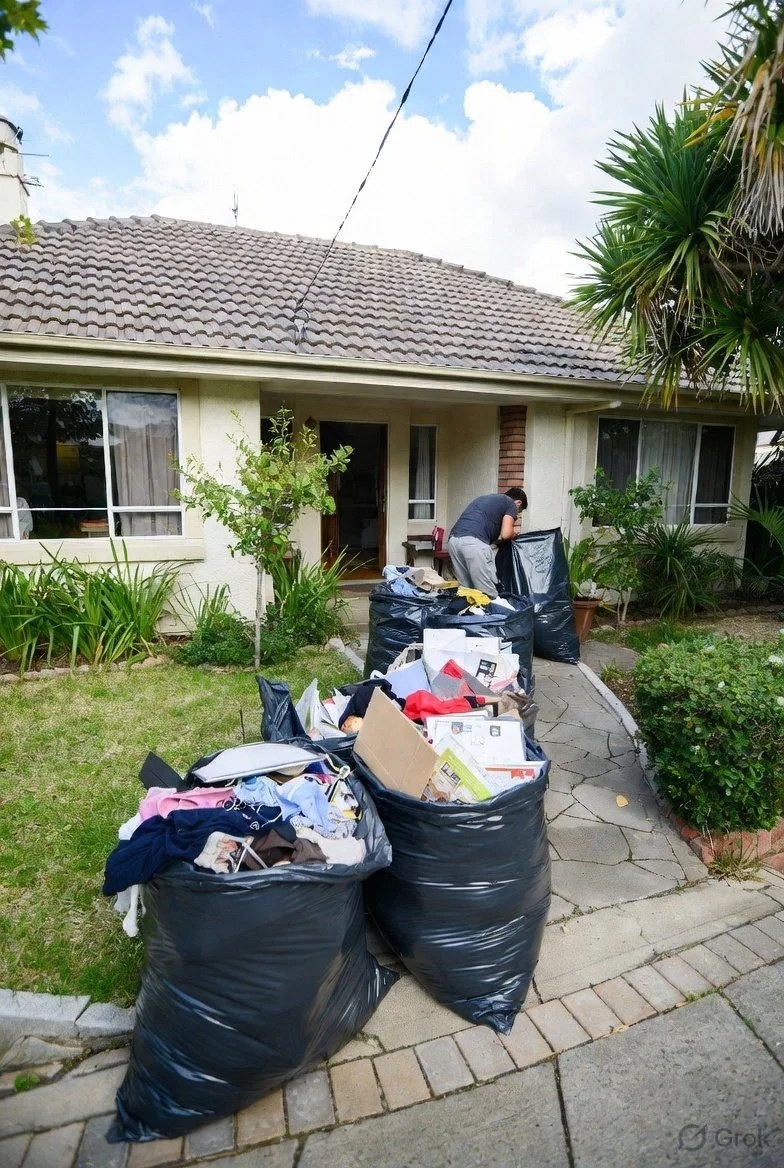
DIY junk removal carries significant safety risks often underestimated by homeowners. Heavy lifting leads to back strains, hernias, or falls—statistics from occupational health bodies show waste handling accounts for high injury rates among non-professionals. Sharp objects, unstable stacks, and hidden hazards like mold, asbestos, or pest infestations compound dangers. Transporting loads in personal vehicles risks overload violations, accidents from shifted cargo, or exposure to fumes.
Professionals mitigate this with proper equipment (dollies, straps, PPE), training, and insurance. They recognize biohazards and comply with disposal laws, avoiding fines or health violations. DIYers may inadvertently contaminate recycling streams or face legal repercussions for improper dumping.
Preparation for safe DIY includes assessing items (weight, size), enlisting help, using correct ergonomics (lift with legs), and wearing gloves, masks, boots. Rent appropriate vehicles or trailers, secure loads meticulously, and research local facilities in advance. Sort materials beforehand to streamline. For large projects, weigh pros/cons—time, effort, and risk versus professional convenience.
Hybrid approaches work: DIY small items, hire for bulk. Ultimately, prioritizing safety prevents costly medical bills and preserves the satisfaction of a cleared space.