
In the exclusive enclaves of the Newport heights, a home is more than just a residence; it is a curated collection of design choices, architectural intent, and high-value materials. From custom-loomed wool blends to delicate silk-infused area rugs, the textiles underfoot represent a significant financial and aesthetic investment. However, the very environment that makes this region so desirable, the proximity to the coast, the elevated views, and the open-air lifestyle, creates a unique set of challenges for the longevity of these materials.
Maintaining the pristine condition of a luxury interior requires a move away from the “chore-based” mindset of cleaning and toward a “preservation-based” strategy of textile conservation. Understanding the relationship between your home’s microclimate and the structural integrity of your flooring is the key to ensuring that your interior remains as vibrant as the day it was installed.
The Impact of the Micro-Coastal Environment
While the immediate shoreline deals with heavy sand and salt spray, elevated neighborhoods face a different atmospheric challenge: fine particulate matter and humidity-driven adhesion. In these areas, the air often carries a mixture of microscopic coastal salts and urban pollutants. When these particles enter a home through open windows or HVAC systems, they don’t simply settle; they bond.
Humidity acts as a catalyst, turning dry dust into a tacky film that clings to individual carpet fibers. Once this film is established, it acts as an adhesive for every subsequent particle that enters the room. Over time, this creates a dulling effect that cannot be rectified by vacuuming alone. Because the soil is chemically bonded to the fiber, it requires a sophisticated emulsification process to break the bond without compromising the delicate dyes or the physical structure of the textile. For homeowners who demand the highest standard of care, seeking specialized Carpet Cleaning in Westcliff is the only way to address this specific atmospheric build-up.
The Silent Erosion: Abrasive Wear in High-Value Fibers
Luxury carpets, particularly those made from natural fibers like wool or linen, are prized for their “hand”, the tactile feel of the material. However, these natural fibers have a complex physical structure with overlapping scales or porous cores. When fine grit and crystalline pollutants settle deep into the pile, they act like sandpaper against these delicate scales.
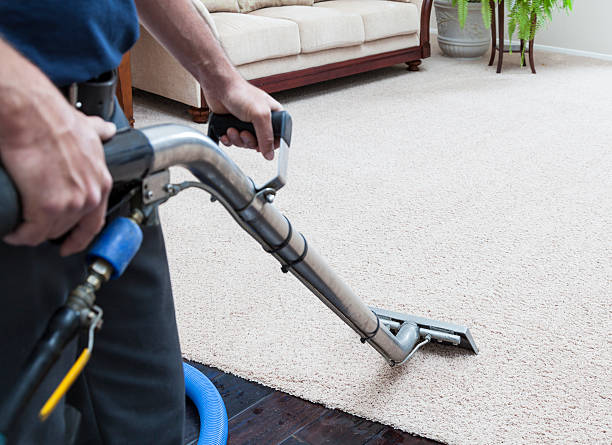
As residents move through the home, the mechanical pressure of footsteps grinds these abrasive particles against the fibers. This doesn’t just make the carpet look dirty; it physically shears the fiber. This is why high-traffic zones often develop a “matte” finish that looks faded. The light is no longer reflecting off a smooth, healthy fiber; it is scattering off a scarred and frayed surface. Professional preservation focuses on “deep-soil extraction,” a process that reaches the very base of the carpet to remove these abrasive “micro-rocks” before they can do permanent damage to the yarn.
Navigating the Chemistry of Specialized Fibers
One of the most common mistakes in high-end home maintenance is the application of generic, high-alkaline cleaning agents to natural fibers. Wool, for example, is a protein-based fiber. Using a standard “grocery store” cleaner with a high pH can actually “cook” the fiber, causing it to become brittle, lose its natural oils (lanolin), and eventually turn yellow.
Modern textile conservation relies on pH-neutral chemistry and encapsulated rinsing. The goal is to reach what is known as the “isoelectric point”, a state where the fiber is chemically balanced and most resilient. By using temperature-controlled steam and specialized builders, a professional can lift the most stubborn oils and pollutants while keeping the fiber in its strongest possible state. This scientific approach ensures that the “softness” of the carpet is preserved, avoiding the crunchy or stiff residue often left behind by amateur methods.
The Role of Indoor Air Quality and Hygiene
Beyond the physical preservation of the carpet, there is the critical factor of the home’s “biological load.” Carpets are the largest filters in the house. They capture everything from pollen and spores to pet dander and bacteria. While this helps keep these irritants out of the air you breathe, it also means the carpet eventually becomes a reservoir for these elements.
In a well-sealed, modern home, these pollutants can accumulate to levels that far exceed outdoor air. A deep, high-heat extraction process doesn’t just “clean” the surface; it sanitizes the environment. By reaching temperatures that neutralize microbial growth and utilizing high-power vacuums to remove the moisture, the home’s interior ecology is effectively reset. This is particularly vital for households with young children or family members with respiratory sensitivities, as it removes the triggers that are often trapped deep within the padding.
Developing a Strategic Maintenance Schedule
Luxury home stewardship is about being proactive rather than reactive. Waiting until a carpet looks soiled is, from a preservation standpoint, waiting too long. By the time the soil is visible to the human eye, the abrasive damage has already begun. A sophisticated maintenance plan usually involves:
- Zonal Rotation: Placing high-quality, aesthetic-matching mats at transition points from hard surfaces to soft surfaces to capture the “first strike” of tracked-in soil.
- HEPA-Certified Maintenance: Using vacuum systems that actually trap microscopic allergens rather than redistributing them through the exhaust.
- Semi-Annual Deep Extraction: Even in low-traffic homes, the atmospheric film mentioned earlier requires a professional reset at least twice a year to maintain the vibrancy of the colors and the integrity of the pile.
The Final Impression: Aesthetics and Value
Ultimately, the condition of the flooring dictates the “feel” of a home. A beautifully designed room loses its impact if the textiles appear limp or discolored. Investing in Carpet Cleaning in Westcliff is an investment in the overall design intent of the property. It ensures that the white-on-white palettes common in modern coastal design remain crisp and that the rich, dark tones of traditional rugs remain deep and saturated.
By treating your floors as the high-value assets they are, you move beyond the cycle of “dirty and clean” and enter a cycle of “preserved and pristine.” This approach not only saves the significant cost of premature replacement but also ensures that your home remains a healthy, beautiful, and inviting sanctuary. In the world of high-end real estate and interior design, the smallest details, like the sheen of a well-maintained silk rug or the bounce of a clean wool pile, make the greatest difference.