
How Smart Companies Are Adapting to the Visual Revolution
Walk into any modern product design studio and you will notice something striking. The conversation has shifted. Engineers no longer ask simply “what size screen fits here?” They ask “how will users experience our product through this window?” This fundamental shift in perspective has transformed the display from a commodity component into a strategic brand asset.
The companies winning in today’s market understand something their competitors miss. The LCD display manufacturer you choose does not just deliver hardware. They deliver the interface through which your customers judge your entire product. As display technology evolves at breathtaking speed, understanding where the industry is heading becomes essential for anyone bringing electronic products to market.
The Great Technology Transition: LCD Versus Emerging Alternatives
Why LCD Dominance Persists in Professional Markets
Every few years, industry observers predict the demise of liquid crystal displays. OLED technology arrives with deeper blacks and thinner profiles. MicroLED promises even greater performance. Yet the LCD display manufacturer industry continues thriving, particularly in professional and industrial applications.
The reason lies in fundamental physics and economics. LCD technology has benefited from decades of refinement and massive capital investment. The manufacturing infrastructure exists at enormous scale, driving costs down while quality steadily improves. For applications requiring long product lifecycles, consistent supply, and proven reliability, LCD remains the rational choice.
Consider the automotive sector. When a car manufacturer selects a vehicle display, they commit to supporting that model for a decade or more. OLED burn-in concerns, while diminishing, still give manufacturers pause. The stability of mature TFT LCD technology provides peace of mind that emerging technologies cannot yet match.
The Bright Spot: Industrial LCD Applications Expanding
Industrial applications represent a growth frontier for display manufacturers. The Industrial Internet of Things (IIoT) places screens in locations never before considered. Factory equipment gains intuitive touch interfaces. Warehouse management systems move from paper to handheld displays. Remote monitoring stations require readable screens in outdoor environments.
These applications demand industrial LCD specifications that consumer displays cannot meet. Wide temperature operation becomes mandatory when equipment sits in unheated warehouses. Sunlight readability determines whether workers can actually use the device. Extended lifecycles prevent costly requalification every few years.
Smart manufacturers recognize this trend and position themselves accordingly. Companies serving the industrial LCD market build capabilities that consumer-focused suppliers lack: longer product commitments, broader temperature specifications, and robust mechanical construction.
The Integration Imperative: Why Touch Screen Display Adoption Accelerates
From Novelty to Expectation
Remember when touch screens seemed futuristic? Today, their absence feels like a design flaw. This cultural shift has profound implications for product development across every industry sector.
The touch screen display has become the default human-machine interface. Medical devices once controlled by buttons now feature intuitive touch interfaces that reduce training requirements. Industrial equipment operators expect the same responsiveness from factory controls that they experience with their smartphones. Commercial kitchen equipment, vending machines, public kiosks—all have embraced touch interaction.
This widespread adoption creates challenges for LCD display manufacturer suppliers. Touch integration requires expertise beyond basic display assembly. The optical properties of the touch sensor affect image quality. The mechanical stack affects durability. Environmental sealing becomes more complex when the interface must remain accessible.
Manufacturers mastering these integration challenges capture significant value. They transform from component suppliers into solution providers, delivering fully assembled modules that simplify their customers’ development work.
Optical Bonding Emerges as Quality Differentiator
Within the touch screen display world, one technology separates premium products from budget alternatives: optical bonding. This process laminates the touch sensor directly to the display cell using transparent adhesives.
The benefits extend beyond marketing claims. Optically bonded displays eliminate the air gap that creates internal reflections. Sunlight readability improves dramatically because ambient light no longer bounces between layers. Contrast ratios increase. The display appears richer and more vibrant.
Durability improves as well. Bonded construction resists moisture ingress, a common failure mode in unprotected displays. Impact resistance increases because the laminated structure distributes force more effectively. For products operating in demanding environments, optical bonding transforms acceptable displays into exceptional ones.
Specialization Creates Opportunity: Vehicle Display and Bar Type LCD Markets
Automotive Display Requirements Tighten
The automobile represents one of the most challenging environments for any electronic component. Temperature extremes, constant vibration, direct sunlight, and safety-critical operation create requirements far beyond consumer products.
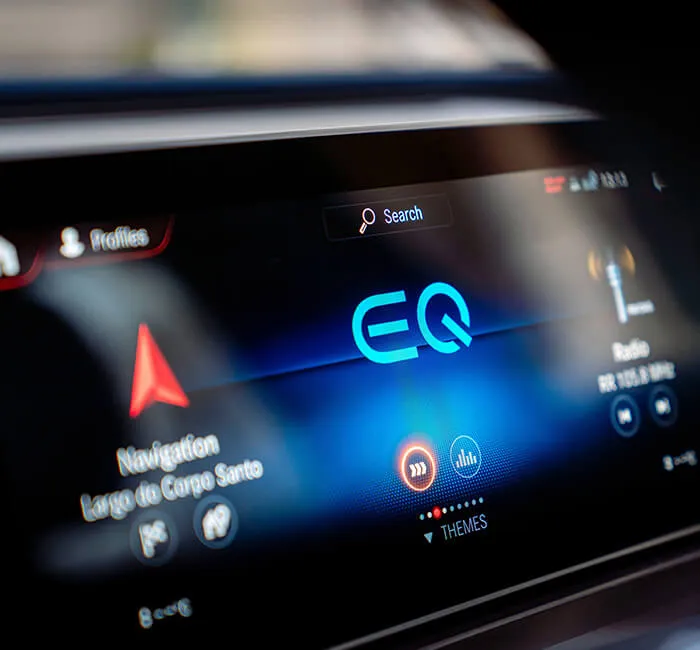
Yet the vehicle display market continues expanding rapidly. Traditional instrument clusters give way to fully digital cockpits. Center stack displays grow larger and more capable. Rear seat entertainment systems multiply. Camera-based mirror replacements introduce new display locations.
Each application demands specific optimization. Driver information displays require instant response times and high reliability. Infotainment screens prioritize color saturation and viewing angles. Mirror replacements need wide temperature operation and specific aspect ratios.
Automotive manufacturers increasingly seek LCD display manufacturer partners with deep automotive experience. IATF16949 certification has become table stakes. Understanding automotive design validation processes, production part approval procedures, and long-term supply commitments separates qualified suppliers from generalists.
Bar Type LCD Enables New Design Languages
Standard display aspect ratios have long constrained industrial designers. Products requiring narrow, elongated screens faced limited options. Designers either compromised their vision or accepted costly custom development.
The emergence of bar type LCD displays changes this calculation. These ultra-wide format displays, with aspect ratios dramatically different from conventional screens, enable previously impossible designs.
Digital signage transforms with bar type LCD installations that fit architectural constraints naturally. Shelf-edge displays in retail environments provide dynamic pricing and product information without consuming valuable shelf space. Industrial equipment gains dedicated status displays that communicate machine state at a glance.
Automotive designers embrace bar type LCD for camera monitor systems, replacing traditional mirrors with sleek displays showing rear and side views. The format allows placement where conventional displays would never fit.
Strategic Sourcing: What Forward-Thinking Companies Demand
Beyond Price: Total Cost of Display Ownership
Procurement professionals increasingly recognize that display costs extend far beyond the purchase price. A display that fails in the field generates warranty expenses, damages brand reputation, and disrupts customer operations. A display requiring requalification after two years forces engineering investment that erodes product margins.
Sophisticated buyers evaluate LCD display manufacturer partners on total cost of ownership metrics. Product lifecycle commitments matter. Historical reliability data matters. Engineering support during integration matters.
Certifications provide objective evidence of manufacturing capability. ISO9001 establishes baseline quality management. ISO14001 demonstrates environmental responsibility. For medical applications, ISO13485 certification proves understanding of regulatory requirements. For automotive work, IATF16949 confirms rigorous defect prevention systems.
Manufacturers holding multiple certifications signal readiness to serve demanding markets. They have invested in systems, training, and processes that smaller suppliers cannot match.
Customization Capabilities Drive Differentiation
Standard displays serve high-volume applications efficiently. But competitive advantage increasingly flows from differentiation. Products that look and feel unique command premium prices and build brand loyalty.
Customization capabilities therefore become critical selection criteria when evaluating an LCD display manufacturer. Can they modify backlights to achieve specific brightness targets? Can they integrate custom cover glass with printed graphics? Can they develop entirely new form factors for innovative products?
The answers determine whether product designers realize their vision or compromise based on available components.