
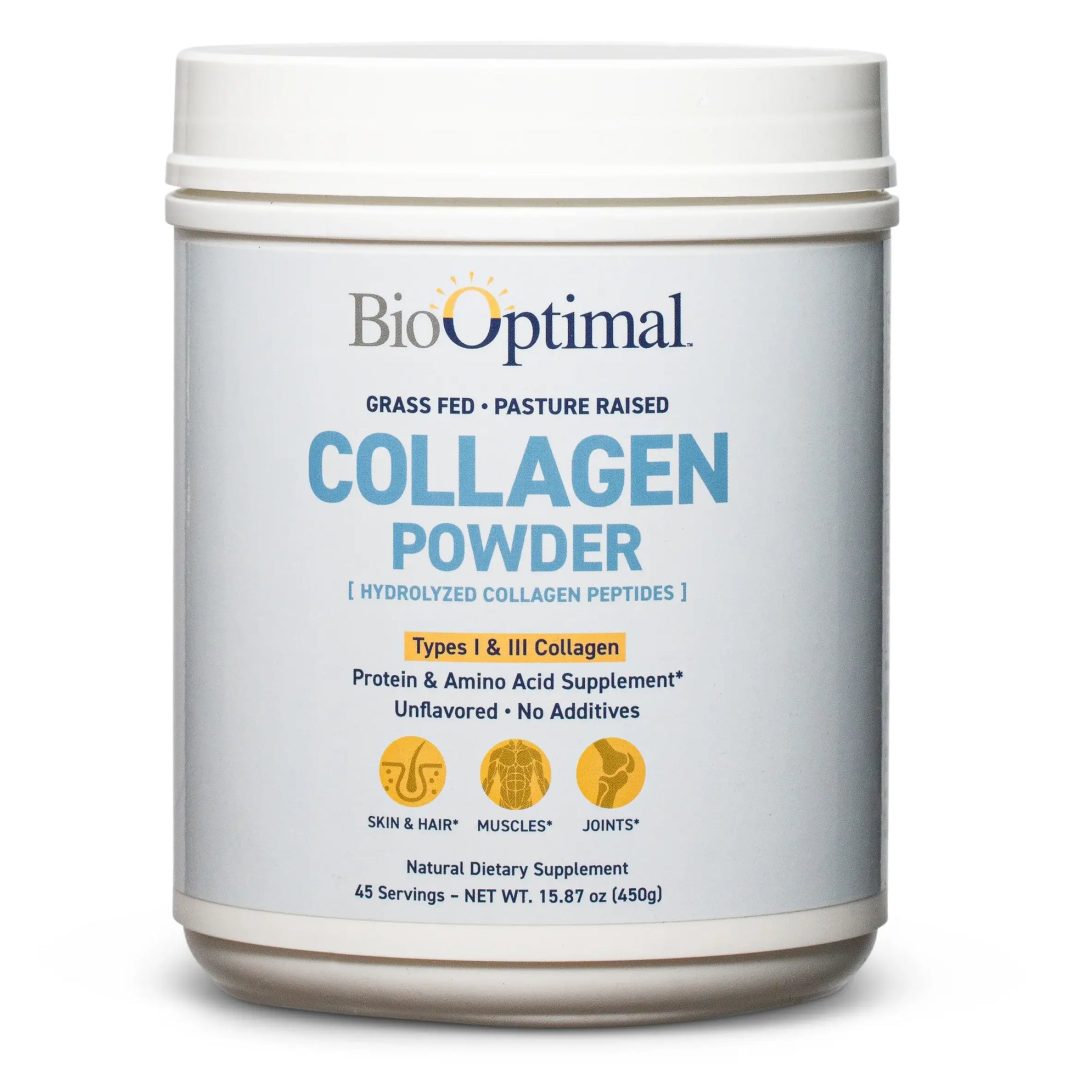
A technical word on a supplement label can make an ordinary buying decision feel like a science test. When comparing hydrolyzed collagen powder, the useful starting point is understanding what that word describes and what it cannot tell you. Processing, protein source, and evidence of a health benefit are separate questions, even when a package presents them together.
That distinction matters because shoppers often bring very different goals to the same shelf. Someone interested in skin appearance may be reading the same label as someone trying to add protein to breakfast. A clear explanation can help both readers ask better questions before making a purchase.
Hydrolysis Describes a Change in the Protein
Collagen is a structural protein found in animal connective tissues. Hydrolysis breaks its long protein chains into smaller pieces called peptides. Labels may use “hydrolyzed collagen” and “collagen peptides” for this processed ingredient.
The term describes how the ingredient has been prepared. It does not identify the animal source, the amount in a serving, or the outcome a person should expect. Those details require a closer look elsewhere on the package or in supporting information.
Gelatin also comes from collagen, but it behaves differently in the kitchen. Gelatin can create the set texture of a chilled dessert, while collagen peptides generally dissolve without forming that same gel. Swapping one for the other in a recipe can change the result.
For a shopper, that difference is more useful than treating the longer ingredient name as a quality ranking. If a recipe needs gelatin to hold its shape, a tub of peptides is not a direct substitute. If the goal is adding a powder to a drink, the product’s mixing directions become more relevant.
A Protein Ingredient Still Needs a Food Context
Collagen contributes amino acids, but it is not a complete protein because it lacks tryptophan, one of the essential amino acids. A powder should therefore be considered within the whole diet. It should not become the only protein source simply because the label prominently displays a protein claim.
Think about what is already on the plate before deciding what belongs in the cup. Meals built around varied protein foods provide a different nutritional picture from coffee with a scoop stirred in. A supplement also cannot supply everything found in a balanced meal.
This is a useful place to pause if the shopping goal is vague. “I want a convenient addition to breakfast” is a practical question about food habits. “I want this to fix persistent joint pain” calls for a conversation with a qualified health professional instead of a comparison of package designs.
For people with dietary restrictions, the animal source deserves attention too. Bovine and marine describe different origins, and a product containing animal collagen does not fit a vegan diet. Anyone managing a food allergy should review the full label and seek clarification when the source or allergen information is unclear.
Separate the Product Description From the Promise
A statement about processing is not the same as evidence that a finished product will deliver a particular result. Studies may investigate specific preparations, amounts, groups of participants, and outcomes. A finding about one preparation should not automatically be extended to every tub bearing a similar ingredient name.
Testimonials answer a different question from controlled research. A review might describe flavor, packaging, or how easily the powder mixes, all of which can be helpful. It cannot establish that the supplement caused a change in someone’s skin, hair, or comfort.
Before accepting a broad benefit claim, use a short set of questions:
- Does the supporting research involve the same ingredient or the actual finished product?
- What outcome was measured, and does it match the reason for considering the supplement?
- Who participated, and how long did the study last?
- Were there comparison groups, and are the study’s limits clearly explained?
You do not need to become a researcher to recognize missing information. If a product description jumps from “contains collagen” to a guaranteed personal result, the explanation is incomplete. A confident promise is still only a promise until the relevant evidence supports it.
Make the Comparison Specific Enough to Use
When comparing hydrolyzed collagen powder, write down the source, ingredient list, serving weight, and directions before looking at broad front-label claims. These details create a practical comparison between products. Container size alone can be misleading when serving sizes or formulas differ.
Quality testing is another separate question. Ask what was tested, whether the report identifies the product or batch, and which limits were used. A contaminant test can provide information about that tested sample, but it does not prove a promised skin or joint benefit.
Keep a note of any unanswered questions rather than filling the gaps with assumptions. If several ingredients appear in a blend, check whether their amounts are individually stated. If an online description and the package disagree, ask the seller to clarify before relying on either version.
A useful final decision is one you can explain in plain language: the source suits your needs, the label is clear, and the expectations are reasonable. Product information from BioOptimal Supplements can be reviewed using those same questions. Start with the ingredient facts, consider the rest of your diet, and give health promises the separate scrutiny they deserve.