
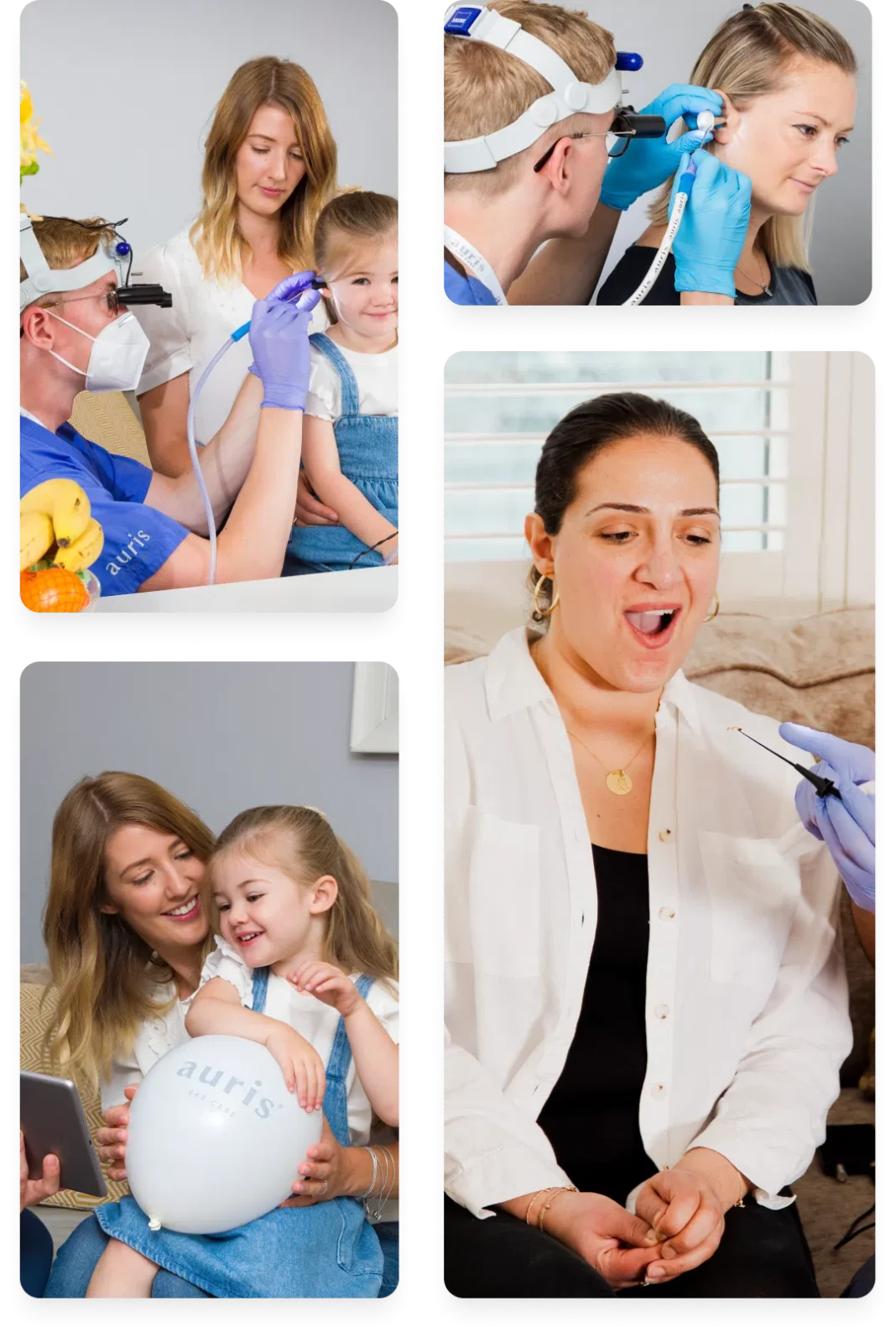
LONDON, UK – Ear wax removal is emerging as one of the most sought after private health services in the British capital, as cuts to NHS provision push thousands of patients toward specialist clinics each year.
Audiologists in London report a sharp increase in appointments for impacted ear wax, with many new patients saying they were turned away by their GP surgery and told to manage the problem themselves with softening drops or over‑the‑counter remedies. For a growing number, that approach is not working.
A widespread but underestimated problem
Ear wax build up is far more common than many people realise. Cerumen, the wax produced in the ear canal, plays a protective role by trapping dust and bacteria. However, in millions of adults it accumulates faster than it can clear naturally.
Risk factors include:
•Long term use of in‑ear headphones and earbuds
•Wearing hearing aids
•Naturally narrow or curved ear canals
•Age related changes that make wax drier and harder
•Regular use of cotton buds inside the ear canal
When wax becomes impacted, it can cause:
•Muffled or reduced hearing
•A constant blocked or “underwater” sensation
•Ringing or buzzing (tinnitus)
•Dizziness or balance problems
•Recurring ear discomfort or infections
In a busy city like London, these symptoms affect everything from commuting safely to performing well at work and taking part in social life.
NHS withdrawal fuels shift to private sector
Over recent years, many Integrated Care Boards in England have stopped commissioning routine ear wax removal services. What was once a standard procedure at GP practices has been dropped in numerous areas as budgets tightened.
Patients now frequently report being advised to buy olive oil or sodium bicarbonate drops and to “let the wax come out by itself.” For those with significant blockages, that advice often fails.
The result is a growing gap:
•Patients with clear symptoms struggle to access treatment through the NHS.
•Some attempt risky home methods, including cotton buds, hairpins and home syringing.
•Others search online for “ear wax removal London” and turn to private clinics.
Clinicians warn that DIY attempts can turn a simple problem into a more serious one. Scratches in the ear canal, perforated eardrums and infections are among the complications seen when people try to clear wax without being able to see what they are doing.
Microsuction emerges as preferred technique
In response to demand, specialist ear care clinics across London have adopted microsuction as their primary removal method.
Microsuction differs from traditional syringing in several important ways:
•The clinician inspects the ear canal and eardrum using magnification.
•A fine, low pressure suction device is used to remove wax under direct vision.
•No water is forced into the ear canal.
This approach is considered safer and more precise, particularly for patients with a history of perforations, surgery or chronic infections. Appointments typically last 20–30 minutes and most patients report immediate improvement in hearing with no recovery time needed.
One of the specialist providers responding to increased demand is Auris Ear Care, which focuses on professional ear wax removal London using microsuction. The clinic operates in dedicated ear care settings, with trained clinicians carrying out examinations and procedures daily.
More information on their service is available at:
https://www.aurisearcare.co.uk/ear-wax-removal-london
Impact on quality of life and productivity
Health experts say the wider effects of untreated ear wax should not be underestimated. Difficulty hearing in meetings, on phone calls or in busy environments can:
•Reduce concentration and increase errors at work
•Lead to misunderstandings and social withdrawal
•Cause fatigue from constantly straining to listen
In older adults, unmanaged hearing problems have been linked with increased isolation and a higher risk of cognitive decline. In many cases, impacted ear wax is not the only factor, but it is one of the most straightforward to diagnose and treat.
When to seek professional help
Doctors advise patients to avoid inserting any objects into the ear canal and to treat ear candles and other unproven home remedies with caution.
Professional assessment is recommended if:
•One or both ears feel persistently blocked
•Hearing is noticeably reduced
•There is ongoing ringing or buzzing in the ears
•Softening drops have not improved symptoms after a couple of weeks
•There is any pain, discharge, or a history of ear surgery or perforation
With routine NHS access reduced, Londoners are increasingly advised to consider regulated, specialist clinics using evidence based methods such as microsuction rather than continuing to experiment at home.
As demand continues to rise, ear wax removal in London has become a clear example of how a relatively simple procedure can move from public to private provision – and how that shift affects everyday life for ordinary patients