
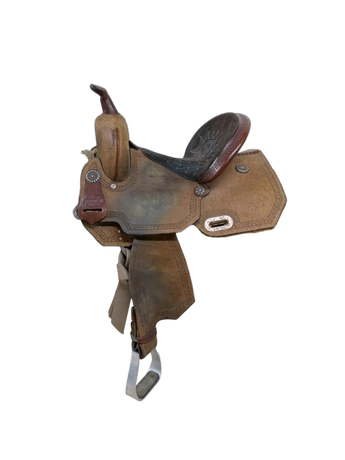
Buying a saddle is an important decision for any rider, but a new saddle is not always the only option. Many riders choose a Used Saddle because it can offer quality, comfort, and value at a more manageable price. Whether you ride for trail, ranch work, training, pleasure, or shows, the right pre-owned saddle can serve you well when you know what to look for.
A saddle affects both the rider and the horse. It should support balance, comfort, and safe movement. A poor fit can create soreness, uneven pressure, and frustration for both horse and rider. That is why buying used should never mean buying without care.
The goal is to find a saddle that suits the horse’s build, the rider’s size, and the type of riding it will be used for.
Why Riders Consider Used Saddles
Used saddles are popular because they can make better-quality saddles more accessible. A well-made saddle can last for many years when it is properly cared for. For riders who want strong leather, solid construction, and proven comfort, pre-owned options can be worth considering.
Another benefit is that many used saddles are already broken in. New leather can feel stiff at first, while a well-maintained used saddle may feel more comfortable sooner. This can be helpful for riders who spend long hours in the saddle.
Used saddles can also be practical for growing riders, changing horses, or riders who are still figuring out their preferred discipline. Instead of investing heavily in a brand-new saddle right away, a secondhand option may give them room to choose carefully.
Start with the Riding Purpose
Before looking at condition, color, or style, start with the purpose. A saddle should match how it will be used.
Trail riders often need comfort for long hours, secure seating, and practical features such as saddle strings or space for gear. Ranch riders may need a saddle that can handle work, movement, and durability. Pleasure riders may focus more on comfort and ease of use.
Show riders may care about appearance, tooling, silver accents, and presentation. Training saddles may need strong construction and a practical design that allows the rider to communicate clearly with the horse.
Choosing by purpose helps narrow the search. A beautiful saddle may not be the right choice if it does not support the type of riding you do most often.
Check Fit for Both Horse and Rider
Saddle fit is one of the most important parts of the buying process. The saddle should fit the horse’s back without creating pressure points or restricting movement. It should also fit the rider’s body so they can sit balanced and comfortably.
For the horse, consider tree size, gullet width, bar angle, skirt length, and how the saddle sits on the back. A saddle that is too narrow may pinch. A saddle that is too wide may sit too low. A skirt that is too long may not suit a shorter-backed horse.
For the rider, seat size matters. A seat that is too small can feel cramped, while one that is too large may reduce stability. Stirrup length, seat shape, and overall balance should also feel right.
When possible, riders should test the saddle or work with someone experienced in saddle fit. Even a high-quality saddle is not a good choice if it does not fit the horse properly.
Inspect Condition Before Buying
Condition matters when buying used. Start with the leather. Look for cracks, dryness, deep wear, stretching, or weak spots. Some surface wear is normal, but brittle leather may require repair or may not be safe for regular use.
Check the stitching closely. Loose or broken stitching can affect durability and may need professional attention. Look at the rigging, billets, latigo carriers, stirrup leathers, fenders, and hardware. These parts handle pressure and movement, so they should be secure.
The fleece or underside should also be reviewed. Excessive wear, thinning, or damage can affect comfort for the horse. The tree is especially important. A damaged tree can make the saddle unsafe or uncomfortable, even if the outside looks fine.
Signs of twisting, unevenness, creaking, or major structural damage should be taken seriously. If there is any doubt, it is wise to ask a saddle professional to inspect it.
Think About Long-Term Value
A used saddle should be judged by more than the price. A cheaper saddle may cost more later if it needs major repairs. A better-made saddle in good condition may offer stronger value over time.
Brand reputation, leather quality, construction, and repair history all matter. Some saddles hold their value better than others, especially if they are well maintained.
Maintenance also plays a role. Leather should be cleaned and conditioned regularly. Saddles should be stored in a dry place, away from extreme heat or moisture. Proper care helps preserve comfort, appearance, and function.
Riders should also consider whether the saddle can be resold later if their horse, riding style, or fit needs change. A clean, well-kept saddle from a trusted maker may be easier to sell again.
Final Thoughts
Buying a used saddle can be a smart choice for riders who want quality, comfort, and value without rushing into a new purchase. The key is to focus on fit, condition, riding purpose, and long-term usefulness. A good saddle should support the horse, help the rider stay balanced, and match the work or riding style it is meant for.
For riders looking for dependable saddles, tack, and western riding gear, Saddle Up Colorado offers options for different riding needs and budgets. Visit the website to find a saddle that fits your horse, your riding goals, and your next ride.