
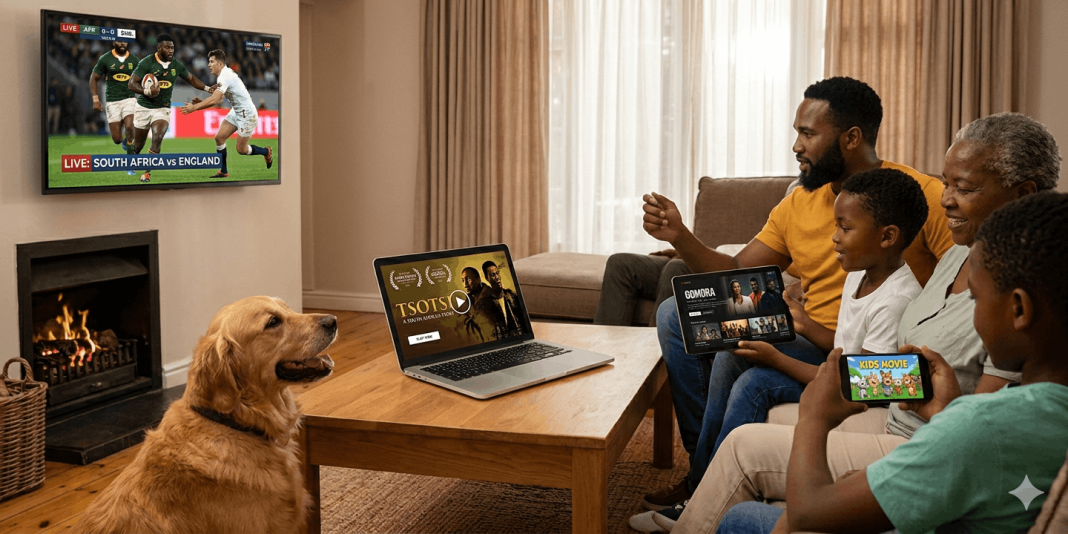
Entertainment has become far more personal than it used to be. In the past, most households had limited viewing options, meaning families often watched the same programs together regardless of individual preferences.
Today, digital streaming and internet-based television have changed that completely. People now choose entertainment based on their interests, routines, personalities, and even moods.
The shows, sports, documentaries, and channels people follow often reflect much more than simple viewing habits — they reveal how modern lifestyles are evolving.
Entertainment Became Highly Personalized
One of the biggest changes in modern viewing culture is personalization.
Viewers now create entertainment experiences tailored specifically to:
- Their schedules
- Favorite genres
- Sports interests
- Language preferences
- Lifestyle habits
Instead of adapting to fixed programming schedules, audiences now expect content to adapt to them.
This flexibility has transformed entertainment into a much more individual experience.
Sports Fans Often Value Real-Time Excitement
People who regularly follow live sports often enjoy fast-paced and emotionally engaging entertainment experiences.
Live sports viewers are typically drawn to:
- Competition
- Unpredictability
- Real-time excitement
- Community discussion
Football, rugby, cricket, Formula 1, and combat sports continue attracting audiences because they create shared emotional moments that recorded content cannot fully replicate.
Documentary Viewers Often Prefer Informative Content
Audiences who frequently watch documentaries and educational programming often enjoy learning through entertainment.
Popular documentary interests may include:
- Nature and wildlife
- History
- Technology
- Business
- Science
- Travel
Streaming technology made this type of content much easier to access globally, allowing viewers to explore subjects based on personal curiosity.
Movie Preferences Reflect Mood and Lifestyle
Different movie genres often connect with different emotional experiences.
For example:
- Action films may appeal to viewers seeking excitement
- Comedies are often associated with relaxation
- Crime dramas attract audiences interested in suspense
- Historical films appeal to viewers interested in storytelling and culture
Because modern streaming systems offer large content libraries, viewers can easily choose entertainment that matches their mood at any moment.
Entertainment Habits Often Match Daily Routines
People’s viewing patterns frequently reflect how they structure their lives.
Busy professionals may prefer:
- Flexible on-demand viewing
- Mobile streaming
- Late-night entertainment access
Families may prioritize:
- Shared movie nights
- Sports weekends
- Multi-device compatibility
Streaming flexibility supports these different routines more effectively than traditional broadcasting systems.
Global Content Reflects Broader Interests
Modern viewers increasingly explore international entertainment rather than limiting themselves to local programming.
People now regularly follow:
- Foreign sports leagues
- International TV dramas
- Global documentaries
- Worldwide news coverage
This trend reflects growing curiosity about different cultures and global events.
Mobile Viewing Changed Entertainment Behavior
Smartphones transformed entertainment into a portable activity.
People now stream content:
- During travel
- While commuting
- At cafes
- During work breaks
- In waiting areas
This portability reflects how digital entertainment became integrated into everyday life rather than remaining limited to home television setups.
Younger Audiences Prioritize Flexibility
Younger generations often value:
- Instant access
- Personalized recommendations
- Multi-screen viewing
- Shorter content discovery times
Traditional television schedules feel less important to audiences accustomed to internet-driven convenience.
Streaming platforms evolved largely in response to these changing expectations.
Entertainment Became Part of Digital Identity
Today, entertainment preferences are often connected to online identity and social interaction.
People regularly:
- Share favorite shows online
- Discuss live sports events
- Recommend movies to friends
- Participate in fan communities
Entertainment choices increasingly influence digital conversations and social engagement.
Technology Continues Expanding Entertainment Freedom
Modern internet infrastructure allows viewers to enjoy entertainment with far fewer limitations than previous generations experienced.
Stable internet connections now support:
- HD and 4K streaming
- Live sports broadcasts
- Multi-device access
- Faster content loading
This technological freedom continues shaping how audiences consume media worldwide.
For readers interested in exploring modern IPTV and internet-based viewing options in South Africa, https://iptvcapetown.co.za provides insight into how digital entertainment continues adapting to modern lifestyles and viewing preferences.
Final Thoughts
Entertainment choices reveal much more than what people simply enjoy watching. They often reflect lifestyle patterns, interests, emotional preferences, and digital habits.
As streaming technology continues evolving, audiences will likely gain even more control over how they experience movies, sports, documentaries, and television content across different devices and environments.
Modern entertainment is no longer just about watching television — it has become part of how people express personality, relax, learn, and connect with the world around them.