
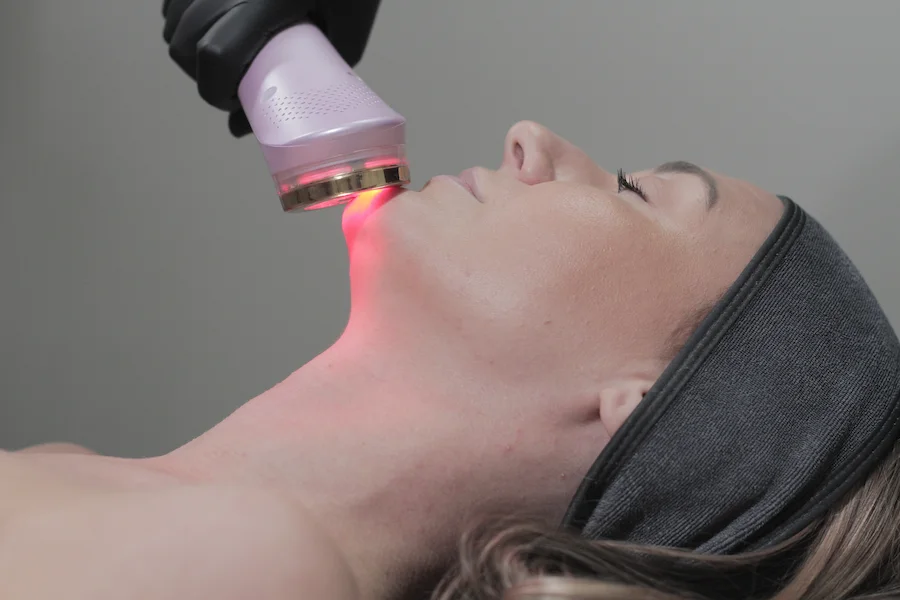
Choosing a facial is not about picking the trendiest option or the one with the most steps. It starts with understanding your skin’s behavior. Skin is not static. It reacts to stress, weather, hormones, and even how much water you had today. That is why what worked a year ago might not be the best choice now.
Some clients walk in convinced they have oily skin, only to discover it is actually dehydrated and overcompensating. Others think their skin is sensitive when it is simply dealing with a damaged barrier. A proper facial should address what your skin needs beneath the surface, not just what you see in the mirror.
When you align your facial choice with your true skin type, results become more predictable and long-lasting.
Dry and Dehydrated Skin Needs More Than Moisture
Dry skin often feels tight, looks dull, and may show fine lines more prominently. Dehydrated skin, on the other hand, lacks water rather than oil, which can make it feel both oily and flaky at the same time. Yes, skin can be confusing like that.
For these skin types, the focus should be on restoring hydration and reinforcing the skin barrier. A well-designed facial will include gentle exfoliation to remove dead skin buildup, followed by deeply hydrating serums that bind moisture to the skin.
The key here is avoiding anything overly aggressive. Strong peels or intense exfoliation can worsen dryness and lead to irritation. Instead, look for treatments that emphasize nourishment, soothing ingredients, and gradual improvement in texture and elasticity.
Oily and Acne Prone Skin Requires Balance, Not Stripping
It is tempting to think oily skin needs to be dried out, but that approach usually backfires. When the skin is stripped of its natural oils, it often produces even more oil to compensate, which can lead to clogged pores and breakouts.
Facials for oily or acne-prone skin should focus on regulating oil production while keeping the skin calm and balanced. This typically involves controlled exfoliation, deep pore cleansing, and ingredients that reduce inflammation.
Extraction techniques, when done properly, can also make a significant difference. They help clear congestion without causing unnecessary trauma to the skin. The goal is to create a cleaner, more refined surface without triggering further breakouts.
Consistency matters more than intensity here. Regular treatments that maintain balance will always outperform occasional aggressive sessions.
Sensitive Skin Calls for Precision and Care
Sensitive skin is often misunderstood. It is not a skin type in itself but rather a condition where the skin reacts easily to external factors. Redness, irritation, and a stinging sensation are common signs.
Facials for sensitive skin should be carefully customized. This means avoiding harsh exfoliants, strong fragrances, and overly active ingredients. Instead, the focus shifts to calming the skin, reducing inflammation, and strengthening the barrier.
A skilled aesthetician will adjust every step of the treatment, from the cleanser used to the pressure applied during the facial massage. Even small details can make a noticeable difference in how the skin responds.
When done correctly, these treatments can gradually improve the skin’s tolerance, making it less reactive over time.
Combination Skin Needs a Targeted Approach
Combination skin can feel like managing two different skin types at once. One area may be oily while another feels dry or sensitive. This is where a one-size-fits-all facial simply does not work.
A targeted approach allows different areas of the face to be treated according to their specific needs. The T zone might benefit from deeper cleansing and oil control, while the cheeks require hydration and soothing care.
This level of customization ensures that no part of the skin is overtreated or neglected. It also creates a more balanced overall appearance, which is often the main concern for clients with combination skin.
If you are exploring Facial Treatments In Tampa, it is worth choosing a provider that takes the time to analyze your skin in detail rather than applying a standard routine.
Why Professional Guidance Makes All the Difference
With so many options available, it is easy to feel overwhelmed. From hydrating facials to advanced resurfacing treatments, the choices can blur together quickly.
This is where professional guidance becomes essential. An experienced aesthetician does more than perform a treatment. They evaluate your skin, identify underlying concerns, and recommend a plan that evolves with your skin over time.
They also understand how different treatments interact with each other. For example, pairing certain exfoliation methods with the wrong aftercare can lead to irritation instead of improvement. These details are often overlooked in at-home routines.
Working with a professional ensures that your skincare journey is intentional rather than trial and error.
Final Thoughts
Choosing the right facial is less about trends and more about understanding your skin’s unique needs. Whether your skin is dry, oily, sensitive, or a mix of everything, the right treatment should support balance, improve texture, and enhance overall skin health.
The most effective results come from a thoughtful approach that combines proper analysis, gentle techniques, and consistent care. Instead of chasing quick fixes, focus on building a routine that works with your skin, not against it.
If you are ready to see real improvements, consider booking a professional consultation and exploring treatments tailored specifically to your skin type. The right facial can do more than improve how your skin looks. It can change how it feels every day.