
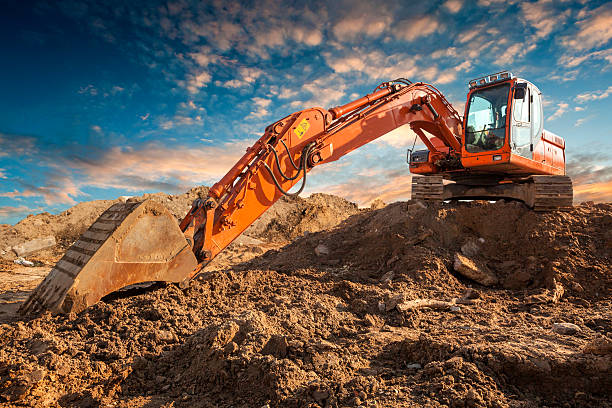
Front Range excavation is one of those things nobody really thinks about until there’s a problem. Like plumbing. Or the internet. When it’s done right, it’s invisible. When it’s done badly, you’re suddenly staring at a cracked driveway, weird drainage issues, or a foundation that just feels… off. I didn’t realize how much proper excavation mattered until a friend tried to “save money” by hiring a guy who owned a backhoe and a pickup truck. Long story short, that guy disappeared faster than a Snapchat message, and the yard looked like a war zone for months.
That’s why companies doing real front range excavation work, especially around Colorado, matter more than people think. It’s not just digging dirt. It’s knowing the soil, the weather, the slopes, the water table, and honestly, knowing when to say no to a bad idea. A lot of homeowners think excavation is just about going down. It’s really about planning sideways and forward, which sounds fake-deep but it’s true.
If you spend any time scrolling through local Facebook groups or Reddit threads, you’ll see people constantly asking who they should trust for excavation work. Half the replies are warnings. The other half are people saying “don’t go cheap.” That alone tells you how sensitive this kind of work is.
Why the Front Range Is a Totally Different Beast
The Front Range isn’t like digging in flat farmland where the soil behaves itself. Here, the ground can change personality every few feet. Clay-heavy soil in one spot, rocky nonsense in another. There’s a lesser-known stat floating around in construction circles that expansive clay soil affects a huge percentage of homes along the Front Range, way more than most people realize. That clay expands when wet and shrinks when dry, which is basically a slow-motion bully to foundations.
Good front range excavation teams understand this and plan around it. They don’t just dig and hope for the best. They grade properly, they think about drainage, and they don’t pretend water won’t show up later. Water always shows up. It’s like that one relative who wasn’t invited but comes anyway.
I’ve seen people online joke that Colorado soil is “spiteful.” It’s funny until you’re paying thousands to fix something that could’ve been prevented during excavation. A lot of sentiment online leans toward hiring experienced local crews instead of out-of-state contractors who don’t really get the region. And honestly, that sentiment exists for a reason.
What People Get Wrong About Excavation Costs
One thing I’ll admit I used to misunderstand is pricing. Excavation looks expensive on paper, and people instantly want to cut corners. But excavation is one of those things where cheaper upfront can mean painfully expensive later. It’s like skipping the foundation of a house to save money. Makes zero sense when you say it out loud.
There’s also this assumption that bigger machines automatically mean better work. Not always true. Skill matters more than horsepower. I’ve heard contractors say they’d rather have an experienced operator with an older machine than a newbie with the latest equipment. That’s not marketing fluff, that’s real-world experience talking.
From what I’ve seen and heard, companies like the team behind tend to focus on doing the groundwork right instead of rushing jobs. That mindset is rare, and people notice. Online reviews usually mention communication and cleanup, which sounds boring but actually matters a lot. Nobody wants to step outside and feel like their property was mugged.
Excavation Isn’t Just for Big Construction Sites
People hear excavation and imagine massive commercial projects or demolition scenes from action movies. In reality, a lot of front range excavation work is residential and small-scale. Driveways, grading, utility trenches, drainage fixes, even preparing land for landscaping. These projects are quiet, unglamorous, and incredibly important.
I remember watching a neighbor deal with constant basement moisture. They tried dehumidifiers, sealing cracks, even blaming ghosts at one point. Turns out the grading around their home was wrong. Water was literally being guided toward the foundation. One excavation job later, the problem was gone. No ghosts involved, unfortunately.
That’s the thing. Excavation often fixes problems people don’t even realize are caused by the ground itself. Social media doesn’t talk about it much because it’s not sexy content. Nobody’s making TikToks about soil compaction. But maybe they should.
Local Knowledge Beats Generic Experience
There’s a difference between knowing excavation and knowing excavation in the Front Range. Weather swings alone can mess with timelines. One unexpected storm and suddenly your neat trench looks like a muddy soup. Local crews anticipate this stuff. They don’t panic, and they don’t disappear.
I’ve noticed online chatter leaning toward companies that are transparent about delays and site conditions. People are surprisingly forgiving if you explain why something is taking longer. They get angry when they’re ignored. That’s not unique to excavation, but it’s very visible here.
Hiring someone who understands front range excavation also means they’re familiar with local codes and permitting headaches. Those can slow a project down more than the digging itself. Nobody enjoys dealing with paperwork, but skipping it usually comes back to bite you.
Mistakes Happen, But Experience Shows in How They’re Handled
I won’t pretend every excavation project goes perfectly. Anyone who says that is lying or hasn’t done enough jobs. What matters is how mistakes are handled. Experienced crews fix issues before they become disasters. Inexperienced ones hope nobody notices.
I once heard a contractor joke that excavation is basically “problem-solving underground.” That stuck with me. You don’t always know what you’ll hit until you start digging. Rocks, old pipes, forgotten debris from decades ago. How a crew reacts tells you everything about their professionalism.
This is where established names and solid reputations matter. Companies connected with tend to approach excavation as part of a bigger picture, not a one-off task. That mindset reduces risk, even if it costs a bit more upfront.
Why This Stuff Actually Matters Long-Term
The funny thing is, excavation work affects things years down the line. Long after the machines are gone, the grading, drainage, and soil prep keep doing their job silently. Or they don’t, and that’s when problems start showing up like uninvited guests.
If you’re planning anything involving land, utilities, or foundations, front range excavation isn’t something to rush or cheap out on. It’s not dramatic advice. It’s just practical. The ground literally supports everything else.