
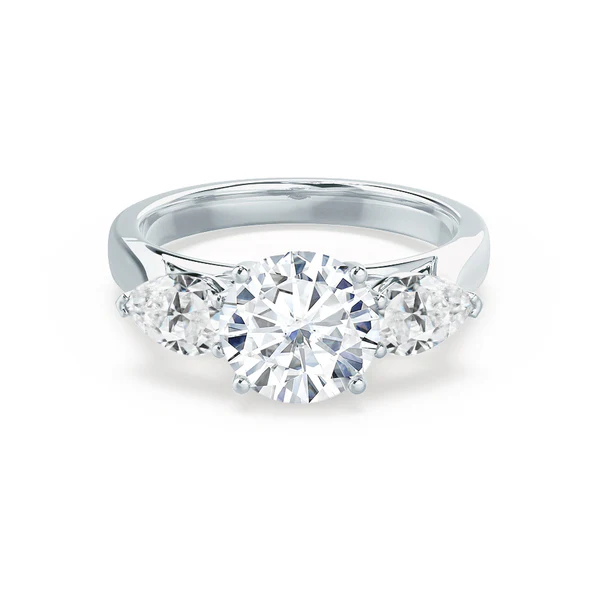
Designers today often draw from a wide spectrum of influences, and one of the most compelling combinations is the merging of nostalgic elements with fresh, modern ideas. In exploring how this blend works, brands such as lily arkwright reflect the broader movement toward creating pieces that feel familiar yet contemporary. This balance of old and new has become an essential part of design culture, shaping everything from fashion and interiors to digital products and branding.
Nostalgia functions as a powerful emotional anchor. People often gravitate toward styles, colors, shapes, and motifs that remind them of earlier eras, whether it is the elegance of mid-century design, the bold patterns of the seventies, or the clean minimalism of the early digital age. These visual cues offer a sense of reassurance and warmth. Designers understand that tapping into this emotional resonance can instantly create a connection with an audience. However, if a piece leans too heavily on the past, it risks feeling dated or overly sentimental. This is where modern inspiration transforms nostalgic concepts into something relevant and appealing for today.
One of the approaches designers use is updating classic silhouettes or patterns with new materials and technologies. A vintage-inspired chair, for example, may retain its familiar curved lines but be crafted using sustainable materials or ergonomic engineering. In fashion, retro-inspired garments are often reimagined with contemporary fabrics, updated cuts, or multifunctional details. These subtle changes maintain the charm of the original aesthetic while supporting modern lifestyles and expectations.
Color palettes also play a significant role. Nostalgic tones such as soft pastels, earthy neutrals, or vibrant retro hues can evoke a particular time period. Designers frequently modernize these palettes by pairing them with unexpected contrasts or streamlined compositions. This balance keeps the design grounded in the present while preserving a sense of familiarity. It also allows creators to build visual stories that resonate with different generations simultaneously.
Technology further enhances the interplay between past and present. Digital tools enable designers to experiment with styles that mimic analog textures or handcrafted imperfections, bringing human warmth into sleek contemporary environments. In product design, advanced manufacturing techniques allow creators to reinterpret vintage forms with greater precision, durability, and performance. The integration of technology does not erase nostalgic qualities; instead, it expands their potential.
Cultural cycles also influence how nostalgia and modernity blend. As trends evolve, certain elements from the past reemerge with new meaning. Designers who pay attention to these cycles can craft pieces that honor tradition while speaking to current values. Sustainability, for instance, has encouraged renewed interest in repairable, long-lasting, or timeless designs, many of which draw heavily from earlier eras known for craftsmanship and durability.
Ultimately, blending nostalgia with modern inspiration is a creative process rooted in balance. Designers aim to capture the emotional richness of the past without sacrificing innovation, relevance, or functionality. This thoughtful fusion results in designs that feel both comforting and fresh, appealing to a wide audience seeking connection, beauty, and originality. It is this interplay that continues to shape the evolving landscape of contemporary design, making the old new again in meaningful and imaginative ways.