
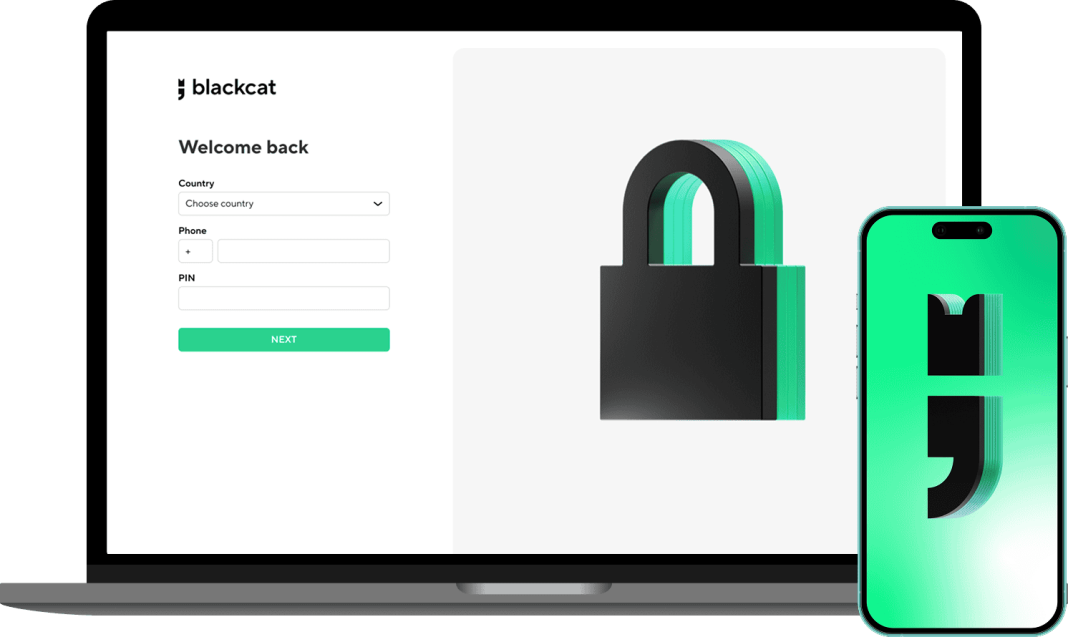
A website is often the first handshake between a financial service and its user. For platforms that combine banking, digital assets, and global payments, that “handshake” needs to do more than look good—it must communicate trust, clarity, and scope. The blackcat website offers some interesting insights into how fintechs are adapting their online presence to meet new expectations and how that could shape user behavior.
What Users Expect Before They Even Sign Up
For many people researching a finance‑oriented platform, these are essential questions:
- Is the service regulated and trustworthy?
- What are the costs and obligations?
- What’s the scope of what I can do (accounts, cards, crypto, transfers)?
- How easy is regulation, support, security info to find?
The blackcat website addresses these head‑on. Licensing information is visible, security standards are explained, and the service’s structure is laid out in understandable categories. Rather than hiding important details in FAQs or legal pages, it puts them where users often look first.
This transparency helps reduce friction. When users don’t have to hunt for “hidden fees” or “what happens if I want to freeze a card or withdraw crypto,” they are more likely to engage further.
Structuring Information for Diverse Needs
Different users come to a site like blackcat with different priorities. Some are interested in crypto, some in international payments, others in everyday banking. The website’s design needs to serve all these without overwhelming.
On blackcat, features are partitioned in logical sections: accounts & cards, transfers, crypto, support, legal disclosures. This modular approach helps people zero in on the area relevant to them. If you just want to know how to get a card or how transfers work, you don’t need to wade through crypto‑wallet documentation first.
Also, many people cross over: those interested in crypto care about fees and regulation; those interested in traditional banking care about international use, card plastic/virtual options. By grouping and layering content, the site allows deeper exploration without sacrificing clarity at the top level.
Design Signals That Build Confidence
Trust isn’t just what is said—it’s how it’s presented. On the blackcat website, several design signals matter:
- Regulatory & compliance badges (licensing authority, money‑holding institution, registration etc.). These tend to reassure sceptical users.
- Security & data protection information: descriptions of how data is handled, details about card security, fraud prevention, etc.
- Clear disclosures: what the “free” parts actually cover, conditions for delivery of physical cards, regions of availability, any limits.
- Support visibility: how to contact customer service, help centre, legal sections. If these are easy to find, users feel more secure.
Such design choices reduce perceived risk and lower the psychological barrier to registering or depositing funds.
Bridging Traditional Banking & Digital Assets via Website Experience
One of the more delicate challenges fintechs like blackcat face is helping users navigate between “old school” banking (IBANs, cards, SEPA transfers) and “new” financial tools (crypto, multiwallets, virtual cards). The website becomes a translator. It needs to:
- Explain what each tool means in practice (e.g. “What is a wallet vs an IBAN account vs a crypto address”)
- Clarify process flows: how to convert crypto to fiat, how card payments work, how international payments are handled
- Surface costs and delays openly: what fees might exist for crypto withdrawals, what conversion rates are, whether transfers are instant or take time
On blackcat, that bridging is done via both the structure of the website (sections clearly dedicated to crypto services alongside traditional account/card info) and via the language used (plain rather than overly technical).
Usability & Access as Under‑Appreciated Pillars
For financial websites, usability isn’t a luxury—it’s essential. People need to feel confident doing sensitive tasks: submitting identity documents, freezing a card, transferring funds, converting assets. Usability issues can kill trust.
Key usability considerations reflected on the blackcat website include:
- Responsive layout (mobile/desktop), because many users will start on mobile
- Simple navigation: clear menu labels, obvious paths to the help/legal/security sections
- Real‑time feedback or explanation: showing what verification steps are needed, which features are available in different geographies
What It Means for Users & Competing Platforms
For users, sites like blackcat raise the bar. If you’re choosing a financial service today, you’re less forgiving of vague terms, surprise charges, or weak support visibility. Websites that treat these as secondary will lose out to those that put transparency and structure front and centre.
For competing platforms, the blackcat website offers lessons:
- Never assume people will scroll or click “Legal” just to find out if there’s a card‑issuance charge or region limitation.
- Make real cost visibility a feature, not a buried policy.
- Use design and narrative to reduce cognitive load—users often don’t care about your full feature list so much as what matters for them (e.g. “Can I use this in my country?”, “What happens if I lose my card?”, “What fees will I see if I use crypto?”).
Reflection: What a Financial Website Can Signal
The design, content, structure of a website is part of the product. It tells users what kind of relationship they’re entering into. With the blackcat website, what shines through is:
- A desire for clarity: what the service does, what it costs, how users are protected
- A bridging of old and new: IBAN accounts + cards + wallets + crypto, all in one coherent frame
- A user‑first mindset: support, legal, security are visible, not buried
So when evaluating a financial website—whether blackcat or another—you might ask: does the site help you understand what you want to do, show both what you gain and what responsibilities are involved, and make it easy to get help or verify claims if needed? A site that succeeds at that isn’t just selling a product—it’s building trust.