
Most car owners in Bayswater treat a professional detail as a luxury—a “once-a-year” treat or something you do only when you’re about to trade the vehicle in. It’s an easy mindset to fall into. You see a shiny car and think about the aesthetics. But that’s actually the least important part of the job.
The real value of detailing isn’t in how the car looks when it pulls out of the driveway; it’s about what doesn’t happen to the car over the next five years. Most people underestimate the slow, invisible creep of environmental damage. By the time you actually see the paint fading or the leather cracking, the damage is often done. At that point, you aren’t paying for prevention anymore—you’re paying for expensive restoration or, worse, losing thousands in resale value.
The Reality of Driving in Bayswater
Bayswater isn’t exactly a vacuum. Between the industrial pockets, the suburban dust, and the erratic Melbourne weather, your car is constantly under siege. If you’re parking outside or commuting daily, your clear coat is the frontline.
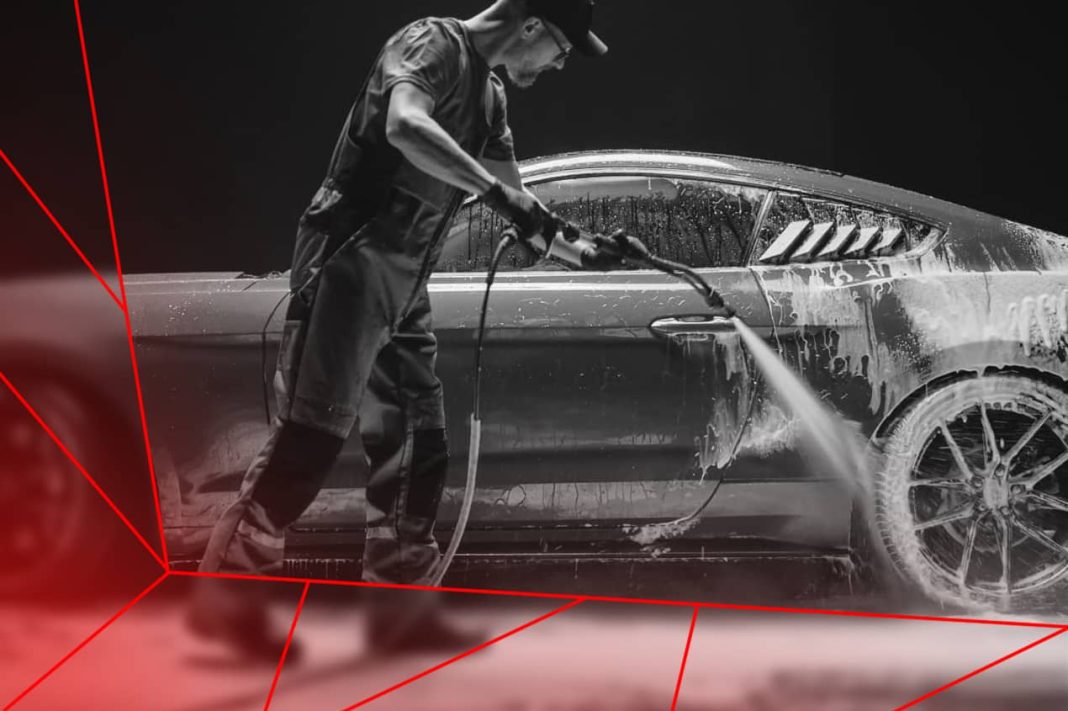
The problem is that most people think a quick run through a localized automatic car wash or a bucket-and-sponge session on Sunday morning is enough. It’s not. In fact, those “quick washes” often do more harm than good. They use harsh chemicals to strip dirt quickly and brushes that have been clogged with grit from the twenty muddy 4WDs that went through before you. Those micro-scratches—we call them swirl marks—slowly dull the paint’s finish, making it more porous and susceptible to the elements.
Then there’s the chemical side of things. Tree sap, bird droppings, and industrial fallout from nearby factories aren’t just “dirty.” They are acidic. When the sun hits your hood, the paint expands, allowing these contaminants to sink deeper into the clear coat. When it cools down, the paint contracts, trapping the acids inside. If you aren’t removing these properly, they will eventually eat through to the base coat.
Why a Deep Clean Is Actually “Decontamination”
Professional detailing is less about “washing” and more about “decontamination.” If you run your hand over your car’s paint right now and it feels slightly rough—like fine sandpaper—that’s bonded contamination. It could be iron filings from brake pads, overspray, or mineral deposits. No amount of soap will take that off.
A skilled Bayswater car detailer uses specific tools like clay bars and iron removers to chemically and mechanically lift those particles out of the pores of the paint. It’s a tedious process, but it’s the only way to ensure the surface is truly clean. If you try to wax or seal a car that hasn’t been decontaminated, you’re just sealing the “rot” inside. It’s like painting over a rusty fence; it looks okay for a week, but the underlying issue is still there.
This is also where paint correction comes in. If your paint is already showing signs of oxidation (that chalky, dull look), a professional cut and polish is necessary. It’s not just for the shine. By leveling the clear coat, you’re removing the “valleys” where water and dirt sit, which significantly slows down future oxidation.
The Invisible Shield: Wax vs. Ceramic
Once the car is clean, it needs a barrier. This is the part most people skip or get wrong. In the old days, we just used carnauba wax. It looks great and gives that deep, wet glow, but in the Australian sun, it melts off in about six weeks.
For someone living in the South Eastern suburbs, you really want something more durable. Paint sealants are a step up, but ceramic coatings are the gold standard for a reason. According to research on automotive clear coat durability, UV radiation is the primary cause of polymer degradation in car paint. A ceramic coating acts as a sacrificial layer that is much harder than your factory clear coat. It doesn’t just “sit” on the paint; it bonds with it.
The Interior: More Than Just a Vacuum
We spend all our time inside the car, yet we often neglect the cabin until it smells or looks visibly filthy. By then, the damage is usually structural.
The biggest enemy of your interior is the sun. Dashboards and door trims are made of plastics and vinyls that contain oils to keep them flexible. UV rays “cook” these oils out, leading to that brittle, cracked look you see in older cars. If you have leather, the problem is even worse. Leather is skin; if it isn’t cleaned and conditioned, it dries out and develops permanent cracks that no “magic” cream can fix later.
Then there’s the mechanical wear. Dust and sand are abrasive. When they settle into your carpets or the weave of your fabric seats, every time you get in and out of the car, you are essentially grinding that sand into the fibers. It’s like using a piece of sandpaper on your upholstery. Over time, this thins the fabric and leads to tears. Professional interior detailing involves deep-cleaning these fibers and applying protectants that repel spills and UV rays, effectively freezing the interior in its current state.
The Financial Logic of Detailing
It’s easy to look at a $300 or $990 service and think, “I could spend that on something else.” But you have to look at the “total cost of ownership.”
Vehicles are depreciating assets, but the rate at which they depreciate is largely under your control. When you go to sell a car, the first thing a buyer (or a dealer) looks at is the condition of the paint and the interior. A car that has been regularly detailed looks “well-maintained” in a way that goes beyond the surface. It suggests the owner cared for the mechanicals, too.
According to data on car resale value factors, a vehicle in “excellent” condition can fetch significantly more than one in “fair” condition. Often, the difference in resale value is several times the cost of the detailing services performed over the life of the car. You aren’t just spending money; you’re protecting equity. It’s much cheaper to spend a few hundred dollars a year on preventive care than it is to take a $3,000 hit on your trade-in because the paint is oxidized and the seats are stained.
Choosing the Right Service
So, how do you pick a service in the Bayswater area? You want someone who understands the local conditions and isn’t just looking to “splash and dash.”
Quality detailing takes time. If a shop promises a full interior and exterior detail in 45 minutes, they are cutting corners—likely using acid-based wheel cleaners and skipping the decontamination steps that actually matter for long-term health.
Look for a service that is transparent about their products and their process. Mobile detailing is a great option for busy people because it removes the “I don’t have time” excuse. Having a professional come to your home or office means your car gets the attention it needs while you get on with your day.
A Mindset Shift
At the end of the day, we need to stop viewing car detailing as a cosmetic luxury. It’s maintenance, plain and simple. Just like you wouldn’t skip an oil change because the car is still “running fine,” you shouldn’t skip paint and interior protection just because the car still “looks okay.”
Consistent, professional care in a place like Bayswater ensures that your car stays easy to clean, stays protected from the harsh Victorian sun, and stays valuable for whenever you’re ready to move on to the next one. It’s about taking pride in your ride, sure—but more importantly, it’s about making a smart financial decision for the long haul.