
In today’s fast-moving and unpredictable world, one capability is separating effective leaders from those who struggle to keep up: resilient leadership.
Across industries – from retail and FMCG to technology and e-commerce – leaders are facing constant disruption. Market conditions shift rapidly, customer expectations evolve, and internal operations are under increasing pressure to deliver more with less. In this environment, traditional leadership approaches are no longer enough.
What organisations need now are leaders who can adapt, respond, and continue to perform under pressure.
This is where resilient leadership becomes critical.
The Shift from Stability to Adaptability
For decades, leadership was built around stability, long-term planning, and predictable execution. Today, those conditions rarely exist. Instead, leaders are required to navigate uncertainty while still delivering results.
Resilient leaders are not just reactive – they are proactive. They build teams and systems that can absorb change without breaking. They focus on clarity, prioritisation, and maintaining momentum even when conditions are unclear.
This shift is especially important in operational environments, where complexity and speed intersect. Leaders must make decisions quickly, often without perfect information, while ensuring their teams remain aligned and engaged.
What Defines a Resilient Leader?
At its core, resilient leadership is about consistency under pressure.
It includes:
- The ability to remain focused during uncertainty
- Strong decision-making in ambiguous situations
- Emotional control and composure
- Clear communication across teams
- A relentless focus on execution
Resilient leaders don’t wait for perfect conditions – they create progress regardless of the environment.
They understand that while strategy is important, execution is what ultimately drives results.
Why It Matters More Than Ever
The pace of change in business is only accelerating. Whether driven by technology, shifting consumer behaviour, or global events, organisations are constantly being forced to adapt.
Leaders who lack resilience often:
- Delay decisions
- Overcomplicate problems
- Lose alignment within teams
In contrast, resilient leaders simplify complexity. They focus on what matters most and ensure that their teams continue moving forward.
This ability to maintain momentum is what separates high-performing organisations from the rest.
Turning Insight into Action
Understanding resilient leadership is one thing – applying it is another.
For leaders looking to build this capability, the focus should be on:
- Simplifying decision-making frameworks
- Building high-trust, accountable teams
- Maintaining clarity in communication
- Embedding adaptability into daily operations
These are not abstract concepts – they are practical skills that can be developed and applied immediately.
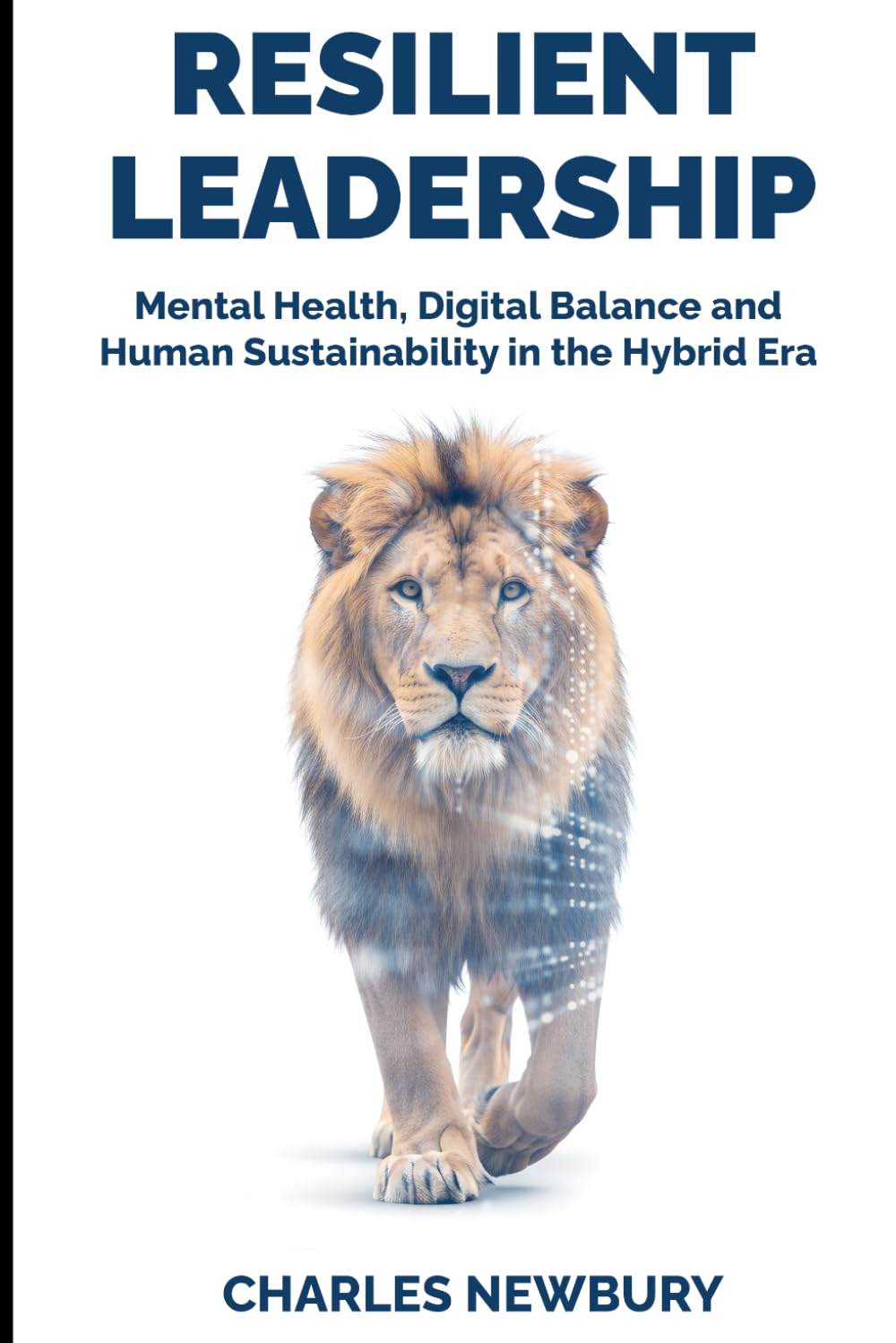
For a deeper, practical breakdown of how to apply these principles in real-world environments, many of these ideas are explored in Resilient Leadership, a guide focused on execution, clarity, and leading through complexity.
👉 Explore Resilient Leadership on Amazon
Building Leadership That Lasts
Resilience is not about short-term survival – it’s about long-term effectiveness.
Leaders who invest in building resilience within themselves and their teams create organisations that are:
- More adaptable
- More efficient
- Better aligned
- More capable of sustained performance
This is particularly important for those operating in high-pressure, fast-changing environments where consistency is difficult to maintain.
The Future of Leadership
Looking ahead, the importance of resilient leadership will only increase.
As businesses continue to evolve, the leaders who succeed will not be those with the most rigid plans, but those with the ability to adjust, execute, and lead through change.
For those seeking a practical, experience-driven perspective on how to build and apply these capabilities,
👉 Discover Resilient Leadership here
You can also explore more titles by Charles Newbury
Final Thought
In a world defined by constant change, resilient leadership is no longer optional – it is essential.
Those who develop it will lead effectively through uncertainty. Those who don’t will struggle to keep pace.
The difference lies not in strategy alone, but in the ability to execute, adapt, and continue moving forward – no matter the conditions