
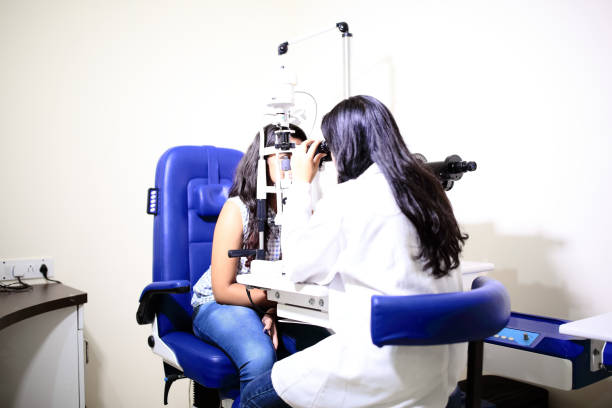
Vision is widely considered the most dominant of the five human senses, playing a critical role in every facet of daily life, from navigating physical environments to emotional connection and communication. Ophthalmology is the specialized branch of medicine and surgery encompassing the diagnosis, treatment, and prevention of diseases related to the eye and visual system. Unlike optometry, which primarily focuses on vision correction through glasses and contact lenses, ophthalmology involves the comprehensive medical and surgical care of the eyes, addressing complex pathologies that can threaten sight.
The Anatomical Marvel of the Eye
To understand the scope of ophthalmology, one must appreciate the intricate anatomy of the eye. The process of sight begins when light passes through the cornea, the clear, dome-shaped front surface of the eye. It then travels through the pupil and the lens, which focuses the light onto the retina—a light-sensitive layer of tissue at the back of the eye. The retina converts these light rays into electrical impulses, which are transmitted to the brain via the optic nerve. Any disruption in this complex pathway, whether due to genetics, aging, injury, or systemic disease, can impair vision. Ophthalmologists are trained to intervene at every stage of this pathway to preserve or restore function.
Common Refractive Errors and Corrections
The most frequently encountered issues in eye care are refractive errors, which occur when the shape of the eye prevents light from focusing directly on the retina. These include myopia (nearsightedness), where distance vision is blurry; hyperopia (farsightedness), where near vision is compromised; and astigmatism, caused by an irregularly shaped cornea resulting in distorted vision at all distances. Additionally, presbyopia is a natural, age-related condition where the lens loses flexibility, making it difficult to focus on close objects. While corrective lenses are the traditional solution, modern ophthalmology offers permanent surgical corrections. Procedures such as LASIK (Laser-Assisted In Situ Keratomileusis) and SMILE (Small Incision Lenticule Extraction) reshape the cornea with high precision lasers, often eliminating the need for glasses entirely.
Managing Sight-Threatening Conditions
Beyond refractive errors, ophthalmologists manage serious conditions that can lead to permanent blindness if left untreated. Cataracts, characterized by the clouding of the eye’s natural lens, are the leading cause of blindness worldwide. Fortunately, cataract surgery is one of the most successful and frequently performed procedures in medicine. It involves removing the cloudy lens and replacing it with an artificial intraocular lens (IOL), restoring clear vision.
Glaucoma is another critical area of focus. Often called the “silent thief of sight,” glaucoma typically presents with no early symptoms but causes progressive damage to the optic nerve, usually due to elevated intraocular pressure. Early detection through regular screenings is vital, as vision lost to glaucoma cannot be recovered. Treatments range from medicated eye drops to laser therapies and minimally invasive glaucoma surgeries (MIGS) designed to lower eye pressure.
Retinal diseases, such as Age-Related Macular Degeneration (AMD) and Diabetic Retinopathy, also require specialized care. AMD affects the macula, the part of the retina responsible for sharp central vision, while diabetic retinopathy involves damage to the blood vessels in the retina due to high blood sugar levels. Modern treatments, including anti-VEGF (vascular endothelial growth factor) injections and laser photocoagulation, have revolutionized the management of these conditions, helping to halt progression and preserve sight.
Excellence in Ophthalmic Care at Liv Hospital
The diagnosis and treatment of these complex conditions demand not only medical expertise but also access to cutting-edge technology. Liv Hospital stands as a premier institution in this field, offering a multidisciplinary approach to eye health. Their facilities are equipped with the latest diagnostic imaging systems, such as Optical Coherence Tomography (OCT) and corneal topography, allowing for the early detection of subtle changes in eye structure.
The dedicated OPHTHALMOLOGY department at the hospital provides comprehensive services ranging from routine eye exams to complex vitreoretinal surgeries and corneal transplants. The team of expert surgeons and specialists utilizes advanced microsurgical techniques to ensure the highest standards of safety and visual outcomes. Whether a patient requires oculoplastic surgery for eyelid abnormalities or specialized pediatric eye care, the focus remains on personalized treatment plans that address the unique needs of each individual.
Visual Preservation
While medical and surgical interventions are paramount for treating eye diseases, maintaining long-term visual health is also deeply connected to lifestyle choices. Protecting eyes from excessive UV radiation, managing screen time to reduce digital eye strain, and adhering to a nutrient-rich diet high in antioxidants like lutein and zeaxanthin are essential preventive measures. Systemic health factors, such as controlling blood pressure and diabetes, also play a direct role in preserving the integrity of the eye’s delicate blood vessels. For those interested in exploring broader strategies for health maintenance and discovering how daily habits influence overall vitality, visiting live and feel can provide further inspiration and practical advice for a balanced, healthy life