
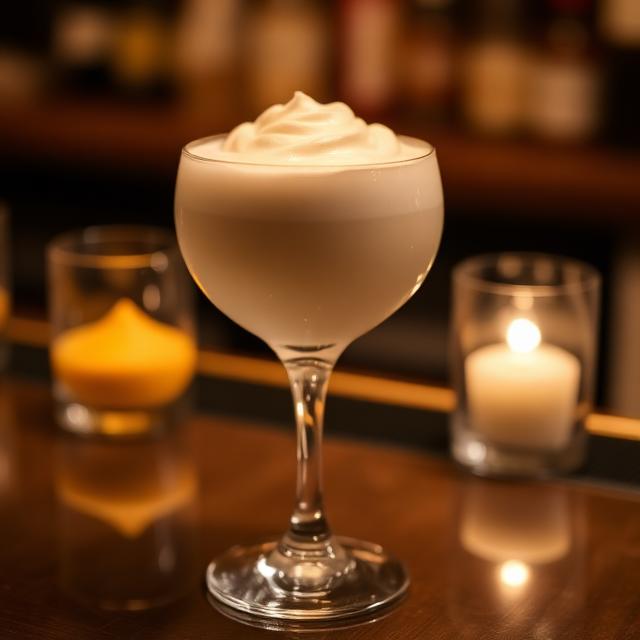
Over the last several years, kava bars have become increasingly popular across the United States, especially in states like Florida and California. These relaxing social spaces offer an alternative to traditional nightlife, creating environments focused on calm conversation, community, creativity, and wellness. Unlike loud nightclubs or crowded sports bars, kava bars are known for their laid-back atmosphere and welcoming vibe. For many people, stepping into a kava bar feels like entering a completely different world—one centered around connection and relaxation rather than stress and distraction.
Kava itself is a traditional beverage made from the root of the kava plant, which originates in the South Pacific islands. For centuries, cultures in places like Fiji, Tonga, and Vanuatu have used kava during ceremonies, social gatherings, and moments of peaceful reflection. Today, modern kava bars bring that same spirit of community and calm into contemporary settings.
What Makes Kava Bars Different?
One of the biggest reasons kava bars stand out is the atmosphere they create. Traditional bars often revolve around alcohol, loud music, and fast-paced energy. Kava bars offer a completely different experience. Most feature dim lighting, comfortable seating, relaxed music, and a slower, more intentional environment.
Many kava bars are designed to encourage conversation and creativity. Instead of televisions blasting sports games or dance floors packed with crowds, you’ll often find cozy couches, wooden décor, local artwork, and people engaging in meaningful discussions. Customers may spend hours talking with friends, working on laptops, reading books, or simply enjoying the calm energy around them.
This atmosphere attracts a wide variety of people. Students, artists, entrepreneurs, musicians, and wellness enthusiasts often gather at kava bars because they provide a comfortable social environment without the intensity associated with alcohol-centered nightlife.
A Sense of Community
One of the most appealing aspects of kava bars is the strong sense of community they foster. Many regular visitors describe their local kava bar as a “second home.” Staff members often know customers by name, and conversations between strangers happen naturally.
In many cities, kava bars host events such as:
- Open mic nights
- Live acoustic music
- Poetry readings
- Art showcases
- Board game nights
- Meditation sessions
- Community meetups
These events help create a welcoming environment where people can connect over shared interests. The atmosphere is usually inclusive and non-judgmental, making it easy for newcomers to feel comfortable.
For individuals who want social interaction without the pressure of alcohol or high-energy nightlife, kava bars can offer an ideal alternative. Many people appreciate being able to relax and socialize in an environment focused more on conversation and mindfulness than partying.
Relaxation and Stress Relief
The calming atmosphere of kava bars is closely tied to the effects traditionally associated with kava drinks. Many people visit kava bars after work, during stressful periods, or simply when they want to unwind.
The overall environment is intentionally designed to support relaxation. Soft lighting, tropical décor, chill music playlists, and comfortable seating all contribute to the peaceful ambiance. Some kava bars even include outdoor lounges with hammocks, fire pits, or garden seating to create an even more tranquil experience.
In today’s fast-moving world, people are constantly searching for places where they can slow down and disconnect from daily stress. Kava bars fill that role for many customers by offering an atmosphere centered around calmness and social connection.
The Rise of Alcohol-Free Social Spaces
Another reason kava bars have grown in popularity is the increasing demand for alcohol-free social environments. Many people are looking for alternatives to traditional bars and clubs, whether for health reasons, lifestyle choices, or personal preferences.
Kava bars provide a nightlife option that feels social and engaging without focusing entirely on alcohol consumption. This has made them especially popular among younger adults who prioritize wellness and balance.
The atmosphere in a kava bar is often more conversational and less chaotic than in traditional nightlife venues. Instead of shouting over loud music, people can comfortably talk, work, or relax. For some customers, this creates a more meaningful and enjoyable social experience.
Creative and Artistic Energy
Kava bars are also known for attracting creative individuals. Writers, musicians, digital artists, and entrepreneurs frequently use these spaces as places to brainstorm ideas, collaborate, or work on projects.
Many kava bars encourage this artistic atmosphere by featuring local artwork, hosting performances, or offering free Wi-Fi and comfortable workspaces. It’s common to see customers typing on laptops, sketching in notebooks, or discussing creative ideas late into the evening.
The relaxed setting can inspire productivity while still maintaining a peaceful vibe. Unlike coffee shops that may feel rushed or crowded, kava bars tend to promote slower, more thoughtful interaction.
This combination of creativity and calm has helped many kava bars develop loyal communities of regular visitors who appreciate both the social and artistic atmosphere.
Tropical and Island-Inspired Design
A major part of the kava bar atmosphere comes from its visual style. Many establishments embrace tropical or island-inspired décor to honor the South Pacific roots of kava culture.
Common design elements include:
- Bamboo furniture
- Tiki-inspired decorations
- Warm lighting
- Wooden interiors
- Island music
- Plants and greenery
- Beach-inspired artwork
These features create a relaxing environment that feels far removed from everyday stress. Walking into a kava bar often feels like entering a small tropical retreat in the middle of the city.
Some kava bars also incorporate outdoor patios or beach-style seating areas that enhance the laid-back ambiance even further.
Late-Night Relaxation Without Chaos
One unique feature of many kava bars is their late-night atmosphere. Unlike traditional bars that may become louder and more chaotic as the night goes on, kava bars often remain calm and relaxed even during late hours.
People visit to socialize, study, listen to music, or simply enjoy the atmosphere. The energy stays mellow rather than overwhelming, which appeals to individuals who want nighttime social experiences without aggressive party environments.
For remote workers, freelancers, and night owls, kava bars can serve as productive and relaxing gathering spaces long after coffee shops close.
Why Kava Bars Continue to Grow
The popularity of kava bars reflects changing social trends. More people today are looking for experiences centered around wellness, connection, creativity, and balance. Kava bars provide an atmosphere that combines all of these elements into one unique environment.
Their growth also shows that nightlife does not always need to revolve around loud parties or alcohol consumption. Many customers appreciate spaces where they can genuinely relax, meet new people, and enjoy a calmer pace of life.
As the kava culture continues to expand across the United States, these bars are becoming important community spaces for individuals seeking something different from traditional nightlife.
Final Thoughts
Kava bars offer far more than just beverages—they provide an atmosphere built around relaxation, creativity, and connection. Their calm energy, welcoming communities, and tropical-inspired environments create a unique social experience that continues to attract people from all walks of life.
Whether someone is looking for a peaceful place to unwind after work, a creative environment to focus on projects, or a friendly community to connect with others, kava bars offer a refreshing alternative to traditional nightlife. As their popularity continues to grow, these spaces are helping redefine what modern social environments can look like—more mindful, more welcoming, and far more relaxed.