
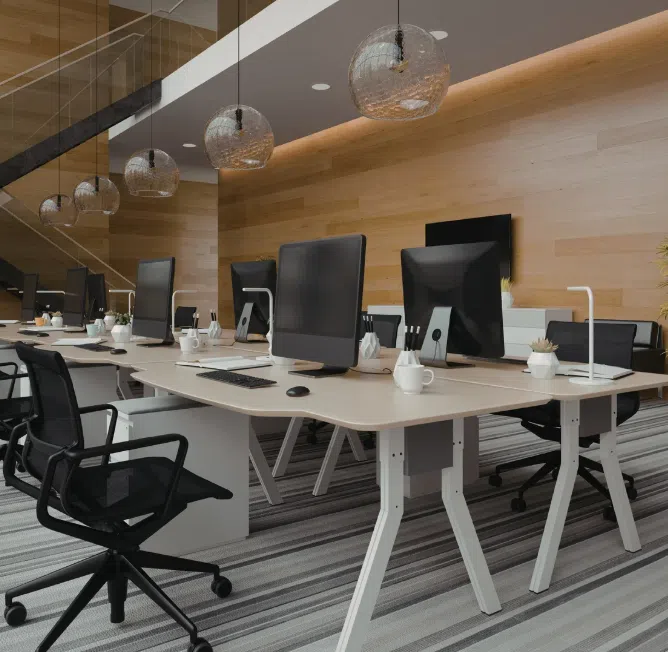
If you’ve ever finished a long workday with a stiff neck, aching lower back, or numb wrists, your furniture is likely a big part of the problem. So many workers accept that kind of discomfort as normal, but it really isn’t, and it doesn’t have to be. Investing in quality ergonomic office furniture is one of the most direct ways a business can protect its employees’ health while also boosting the quality of work that gets produced every single day. The connection between physical comfort and mental performance is well established, and it starts with the furniture people sit in for eight or more hours at a stretch.
Ergonomic chairs are usually the first thing people think of when they hear the term, and for good reason, your chair affects virtually every part of your posture. A chair without proper lumbar support encourages slouching, which compresses the spine and tightens the muscles surrounding it. Over months and years, that adds up to real, lasting damage. A well-designed ergonomic chair, on the other hand, keeps your lower spine in its natural curve, your hips level with or slightly above your knees, and your feet flat on the floor. That might sound like a lot of conditions to meet, but adjustable chairs make it achievable for almost any body type once you know what to look for.
Desks and monitors are equally important parts of the ergonomic equation. A screen positioned too low forces your neck to tilt downward for hours, which is a leading cause of the neck and shoulder tension so many office workers experience. The ideal monitor height puts the top of the screen roughly at eye level, allowing your head to stay in a neutral, balanced position throughout the day. Adjustable-height desks, often called sit-stand desks, take this even further by letting workers alternate between sitting and standing, which reduces the physical toll of staying in one position too long. The Mayo Clinic’s comprehensive office ergonomics guide specifically recommends getting up and moving as often as possible, making height-adjustable furniture a genuinely useful tool for protecting long-term health.
Keyboard and mouse placement is another detail that matters more than most people realize. When your keyboard sits too high, your shoulders rise and tense with every keystroke. When your mouse is placed too far to the side, you’re extending your arm repeatedly throughout the day in a way that strains your shoulder joint. The fix is simple — position both within easy reach so your elbows stay at roughly a 90-degree angle and your wrists remain straight while you type. Adding a wrist rest can provide extra support during longer sessions, though it works best as a resting tool between bursts of typing rather than something to lean on constantly while typing.
The financial case for ergonomic furniture is just as compelling as the health case. Workplace injuries related to poor posture and repetitive strain are among the most frequently reported causes of lost work time in office environments, according to OSHA’s workplace ergonomics overview. Every day a team member misses because of back pain or wrist strain is a day of productivity lost and those costs accumulate fast in even a small business. Ergonomic furniture is a proactive investment that reduces those losses before they happen, which means it pays for itself over time in ways that are genuinely measurable.
When you look at the full picture — employee health, daily comfort, long-term injury prevention, and productivity, it becomes clear that ergonomic office furniture isn’t a luxury upgrade. It’s a foundational part of building a workplace that respects the people in it and sets them up to do their best work every day they show up.