
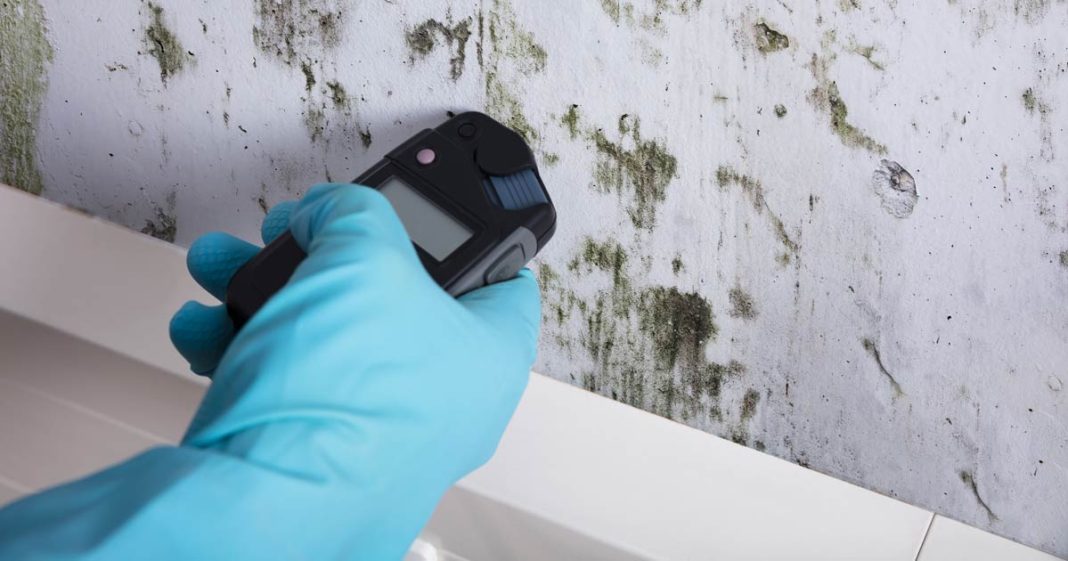
Mold is a silent intruder that can spread quickly through your home or business if left unchecked. While small, visible patches of mold may seem harmless, hidden growth inside walls, air ducts, or under flooring can compromise indoor air quality, damage structural materials, and negatively affect health. Professional mold testing provides the accurate data and expert insight needed to detect, identify, and safely address mold problems before they become serious.
Why Professional Testing Matters
Many homeowners try to handle mold issues themselves using store-bought test kits. However, these tests often provide unreliable or incomplete results. Professional inspectors have the training, tools, and experience to locate hidden mold accurately and determine whether levels pose a health or property risk.
Professional testing is particularly important if:
- You smell a consistent musty odor but can’t find the source
- Your home recently experienced a leak, flood, or other water damage
- Family members experience allergy-like symptoms that improve when away from home
- You’re buying or selling a property and need certified documentation
- You want to verify that mold remediation work was successful
Accurate testing helps homeowners make informed decisions about remediation and prevents unnecessary repairs or health risks.
How Professional Mold Testing Works
A professional mold inspection begins with a visual assessment. Inspectors check high-risk areas such as basements, attics, bathrooms, crawl spaces, and HVAC systems for moisture and signs of water damage. Using equipment like moisture meters, thermal cameras, and hygrometers, they can identify areas of hidden dampness where mold is likely to thrive.
Depending on the findings, several types of samples may be collected:
- Air samples measure the number of mold spores in your indoor environment and compare them to outdoor levels. Elevated indoor counts indicate active mold growth.
- Surface samples (swabs or tape lifts) identify the specific species of mold growing on materials. This is useful for recognizing toxic varieties like Stachybotrys chartarum (black mold).
- Bulk or dust samples are used to evaluate long-term contamination or environmental exposure.
Samples are analyzed in accredited laboratories to determine spore types and concentrations. A detailed report outlines what kinds of mold are present, how elevated the levels are, and recommended actions based on the findings.
Health and Property Impacts
Exposure to high mold levels can cause or worsen respiratory problems, headaches, skin irritation, and fatigue—particularly in those with allergies or asthma. Over time, mold can also deteriorate drywall, wood, insulation, and furnishings. Early testing and intervention stop damage at the source, protect indoor air quality, and reduce costly repairs.
Why Choose a Certified Mold Inspector
Certified mold inspectors follow standards set by organizations such as the Indoor Air Quality Association (IAQA) or National Organization of Remediators and Mold Inspectors (NORMI). Hiring a qualified professional ensures accurate testing, unbiased reporting, and reliable recommendations for remediation.
Professional mold testing isn’t just about finding mold—it’s about protecting your health, preserving your property, and maintaining peace of mind. Whether you have visible growth, suspect hidden contamination, or want verification after remediation, expert testing provides clear answers and a plan for a safer, healthier home.