
A comfortable living room beside an uncomfortable bedroom is a familiar household puzzle. A room to room transfer fan may help move air between adjoining spaces, but choosing one starts with understanding that particular layout. The useful question is where the air can travel and what the receiving room needs.
Begin by describing the problem without jumping to a product. Note when the room feels different, what equipment is running, and whether doors are usually open or closed. These observations give a contractor or product support specialist something more concrete than “the back room is always uncomfortable.”
Identify the Two Spaces Involved
Sketch the room that has conditioned air and the room you hope to serve. Mark the shared wall, doorways, furniture, and existing supply and return openings. A simple drawing helps explain the proposed relationship without requiring a detailed building plan.
A transfer fan moves existing air rather than generating heating or cooling. Its usefulness depends partly on the air available in the adjoining space. If both rooms are uncomfortable, ask an HVAC professional to assess the broader problem before treating transfer as the answer.
Record ordinary use as well as temperature concerns. A bedroom with a closed door has a different routine from an open home office. Explain those habits during the assessment so the proposed arrangement can be considered under realistic conditions.
Avoid promising yourself a specific temperature improvement from a product photograph. Room size, layout, available air, and other building conditions influence the result. Ask what outcome is reasonable for the actual situation and how that outcome will be checked.
Discuss the Complete Air Path
The fan opening is only one part of the movement between rooms. Ask the installer how air will circulate through the connected spaces, including the route back. This discussion is more useful than assuming that any opening in the shared wall will work equally well.
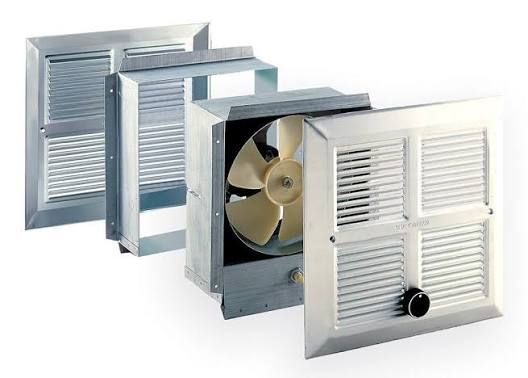
The reviewed ThruWall collection is intended for transferring air between adjoining rooms. Its listed options include two-speed and variable-speed models. Those differences provide a starting point for discussing control preferences, but they do not replace checking the installation requirements of the selected model.
Confirm airflow direction before settling on the location of the switch and grille. The collection information states that standard airflow exhausts on the switch side and directs buyers to contact the manufacturer about the opposite arrangement. Resolve that detail before an opening is planned around an assumed direction.
Also explain any reason the rooms are normally kept separate. Sound, odors, and household activities may affect whether a direct air connection is welcome. A contractor can help weigh the intended comfort benefit against those practical consequences.
Check the Wall and Everyday Access
Have the proposed wall location assessed before cutting or ordering around an opening. Framing, wiring, plumbing, and the wall assembly itself may affect what can be installed. Surface appearance alone does not establish that the space behind it is available.
Use the exact model’s dimensions and instructions when reviewing fit. Do not transfer measurements from another fan simply because the grilles look similar. Ask the installer to identify any required electrical work and confirm that the proposed installation is permitted for that wall.
Think about the switch from the user’s position. A control hidden behind a tall cabinet may become an irritation, even if the fan fits. Leave the access and clear space required by the product instructions and consider future cleaning as part of placement.
Before choosing a model, gather these points in one short note:
- The two rooms and the comfort issue observed in each.
- Normal door positions and the proposed circulation path.
- Confirmed airflow direction and switch location.
- Wall suitability, dimensions, and electrical requirements.
- Preferred speed control and expected daily operating routine.
- Access for cleaning, inspection, and future service.
Judge the Result in Normal Use
After installation, ask for a demonstration of the controls and the intended operating routine. Have the installer explain what the fan can reasonably address and what remains outside its role. Keep the manual and model identification together for later questions.
Use the rooms normally when evaluating the result. Note the fan setting, the heating or cooling operation, and whether the doors are in their usual positions. Changing several conditions at once makes it harder to understand which adjustment helped.
Evaluate sound where people sit, work, or sleep rather than only while standing beside the grille. If the model offers speed choices, compare the available settings during the activities that matter most. Comfort includes how the room feels and how pleasant it is to occupy.
If the receiving room remains uncomfortable, report the observations instead of immediately buying another fan. A professional may need to revisit the circulation route or another source of the temperature difference. Keep the discussion focused on the room’s actual behavior.
A room to room transfer fan is worth considering when there is a clear, suitable path between adjoining spaces. Use the options from Suncourt to frame questions about direction, controls, and fit, then confirm the plan for the home itself. The best starting point is an understood airflow problem and a realistic way to assess the result.