
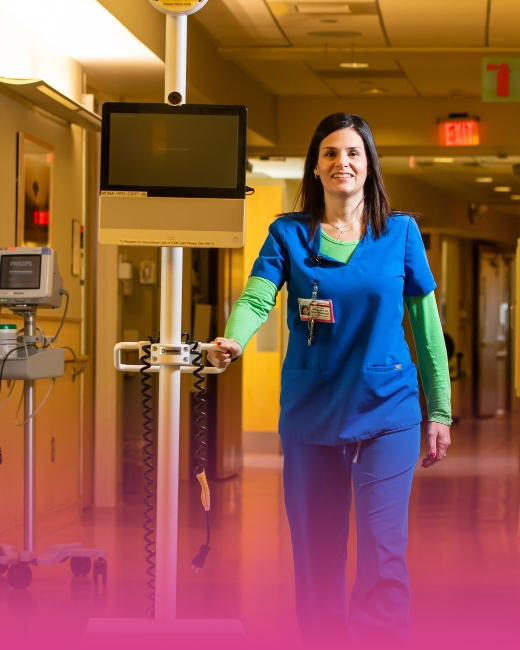
Pediatric virtual nursing is becoming an important part of modern healthcare because many families do not have easy access to hospitals with pediatric specialists. Children need care that is tailored to their age, development, and emotional needs. They are not smaller versions of adults. Their symptoms, reactions, and comfort levels change quickly, so they require skilled nurses who understand pediatric care in depth. Virtual nursing helps fill this gap by bringing experienced pediatric nurses directly to the bedside team through secure remote technology.
This model works well for hospitals that do not have dedicated pediatric units or do not have enough specialized nurses on staff. Through virtual support, bedside teams can gain immediate access to guidance, clinical assessments, and help with documentation. The result is a smoother workflow and more consistent care for children who might otherwise face delays or confusion during treatment.
One of the strongest advantages of pediatric virtual nursing is the level of experience nurses bring to the role. Many have more than a decade of hands on pediatric work in hospitals. They know how to manage scared children, worried families, and complex medical situations. Their knowledge helps reduce unnecessary transfers to larger hospitals and supports bedside teams who might not have pediatric training.
Virtual nurses are also able to take on tasks that often slow down bedside staff. They can help with documentation, review charts, coordinate with different members of the care team, and assist with discharge steps. This allows bedside nurses to stay focused on direct patient care. When the workload is shared in this way, children receive more attention and families feel more supported.
Communication is another important part of this work. Many families speak languages other than English. When a child is admitted and the caregiver is unable to clearly communicate important information, the risk of misunderstanding increases. Virtual nurses can work closely with the bedside team and verified interpreters to ensure details are collected correctly. Clear communication leads to safer care and reduces the stress families feel when a child is ill.
The impact of pediatric virtual nursing reaches beyond the hospital. Families benefit because they receive specialized guidance without having to travel long distances. Hospitals benefit because they gain access to pediatric expertise on demand. Nurses benefit because they can continue meaningful clinical work through a flexible remote role while still making a difference in patient care. This creates a positive cycle that supports the entire healthcare system.
Another important point is that virtual nursing helps hospitals extend high quality pediatric care to communities that might not have the resources to support a full pediatric department. With virtual support available, hospitals can admit more children safely, reduce wait times, and offer consistent care even during busy seasons.
Pediatric virtual nursing proves that technology, when guided by skilled professionals, can make care more accessible, more efficient, and more compassionate. It shows that children in any community can receive the attention they need from nurses who truly understand them. This approach strengthens families, supports hospitals, and helps ensure that every child has access to safe and reliable care.