
Introduction
I’ll be honest, the first time I heard about online vocal training, I kind of rolled my eyes. Singing lessons… on a screen? Felt like trying to learn swimming by watching YouTube videos. But then lockdown happened, everyone was stuck at home, and suddenly my Instagram feed was full of people doing vocal warm-ups in pajamas. Turns out, learning vocals online isn’t as ridiculous as it sounds. You’re still doing the same breathing exercises, pitch work, and annoying lip trills — just without a teacher staring directly into your soul. And weirdly, that makes some people relax more, which actually helps the voice open up.
How Online Vocal Training Fits Real Life (Especially Messy Schedules)
One thing I genuinely like about online vocal training is how forgiving it is. You miss a class? No panic attack. You can rewatch recordings, practice at midnight, or squeeze in scales between work calls. It’s like going to the gym, but for your vocal cords, and without that gym intimidation. Financially too, it’s lighter on the pocket. Offline lessons can feel like buying a premium coffee every week — nice, but slowly draining your wallet. Online sessions usually cost less, and you save travel money. Small thing, but over months, it adds up. Like skipping food delivery for a week and suddenly affording better groceries.
The Tech Side Nobody Talks About (Mic Anxiety Is Real)
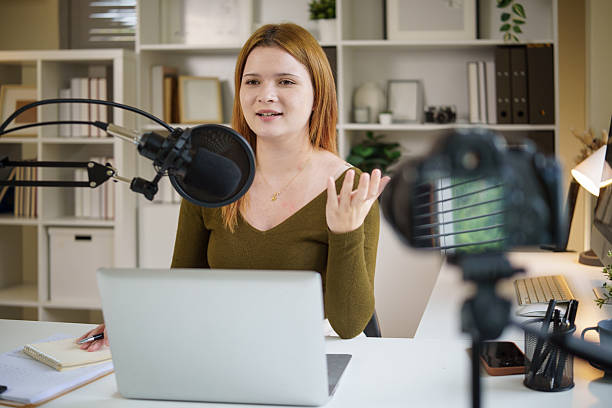
Here’s a lesser-known truth: your phone mic lies to you. A lot. When I started online vocal training, I thought I sounded nasal and weak. Turns out, it was just my cheap earphones. Many trainers now actually guide students on basic mic placement and audio settings, which is wild because ten years ago this wasn’t even a thing. There’s also this niche stat floating around vocal forums — students who record their practice sessions improve faster because they hear their mistakes clearly. Painful, yes. Effective, also yes. Hearing your own off-key note is like watching your own bad haircut in HD.
Online Vocal Coaches vs Traditional Gurus (Not All Are Instagram Experts)
Scroll through social media and you’ll see vocal coaches promising a 4-octave range in 30 days. Red flag. Online vocal training is amazing, but it still needs legit teachers. The good ones don’t shout miracles; they talk about consistency, vocal health, and boring stuff like posture. On Reddit and singer Twitter, there’s a lot of chatter about how some online trainers are actually more attentive than offline ones because they rely heavily on feedback and notes. No ego, just technique. That surprised me. I assumed online meant lazy teaching. Turns out some offline gurus are the lazy ones.
Does Online Vocal Training Work for Absolute Beginners?
Short answer: yes, but expect awkward moments. Long answer: your first few weeks will feel strange. You’ll crack notes, forget lyrics, and probably mute yourself by mistake mid-song. Been there. But beginners actually benefit a lot because online vocal training forces you to practice solo. No hiding behind group classes. You learn breath control like learning to balance your expenses — slowly, painfully, but with progress. Singing is muscle memory, and muscles don’t care if guidance comes from a screen or a studio.
The Honest Downsides (Because It’s Not All Perfect)
Let’s not romanticize it too much. Online vocal training lacks physical correction — no teacher adjusting your jaw or posture. Internet lag can mess with rhythm exercises. And motivation? That’s on you. No one’s dragging you to class. If you’re the type who abandons New Year resolutions by February, this might be tough. But honestly, that’s true for anything. Even offline lessons won’t fix commitment issues. Online just exposes them faster, like a mirror you didn’t ask for.
Final Thought
In my opinion, yes — if you treat it seriously. It’s not a magic shortcut, and it won’t turn you into a pop star overnight (sorry). But for everyday people who love singing, want improvement, and don’t want to restructure their entire life around lessons, online vocal training makes sense. It’s flexible, affordable, and surprisingly effective. Kind of like digital banking — once you get used to it, going back feels unnecessary.