
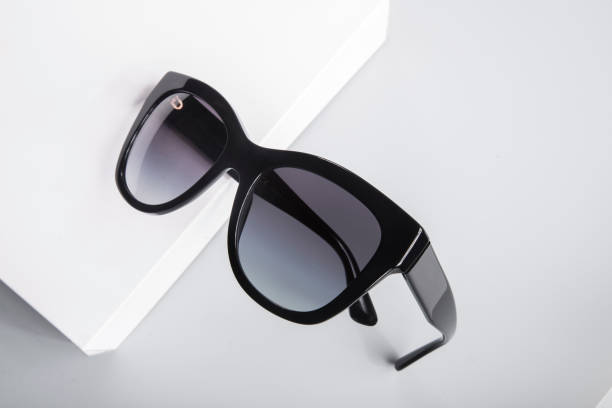
A good pair of sunglasses should do more than look right in a mirror. The best pair should feel comfortable for hours, suit the activities you actually enjoy, reduce distracting glare, and stay put when you are moving. With so many frame shapes, lens colors, sizes, and specialized designs available, choosing sunglasses is increasingly about matching eyewear to your lifestyle rather than simply following a trend.
Whether you spend weekends fishing, log miles on running trails, commute daily, or simply want dependable everyday shades, a few practical considerations can make finding the right pair much easier.
Start With Fit, Not Just Frame Style
One of the most common mistakes when shopping for sunglasses is focusing entirely on appearance. A frame may look great but become uncomfortable after an hour because it is too narrow, presses against the temples, or constantly slides down the nose.
Face and head sizes vary considerably, which is why a one-size-fits-all approach rarely works perfectly. People with wider heads may experience pressure around the temples when wearing standard frames. Meanwhile, someone with a smaller face may find oversized sunglasses slipping whenever they look down.
Before choosing a style, consider three areas of fit:
- Frame width: The frame should sit naturally without squeezing the sides of your head.
- Nose fit: Sunglasses should remain comfortably positioned without requiring constant adjustment.
- Temple comfort: The arms should feel secure without creating uncomfortable pressure behind the ears.
It is also worth thinking about how you will use the sunglasses. A slightly relaxed fit might be comfortable for casual wear, while running, cycling, boating, and other active pursuits typically benefit from a more secure design.
Brands offering multiple sizing categories can make this process easier. Instead of assuming every adult needs approximately the same dimensions, shoppers can look for frames designed specifically for small, average, youth, or XL fits.
Understand What Polarized Lenses Actually Do
Polarization is one of the most useful features to consider when buying everyday or outdoor sunglasses.
Bright sunlight becomes particularly distracting when it reflects from horizontal surfaces such as water, pavement, snow, or a vehicle hood. Polarized lenses are designed to reduce this reflected glare, which can make outdoor environments more visually comfortable.
That characteristic makes polarization especially useful for activities such as:
- Fishing and boating
- Driving
- Beach trips
- Hiking
- Running
- Outdoor sports
- Everyday activities in bright conditions
Someone who spends significant time around water may notice the benefits particularly quickly. Reflections bouncing off a lake or ocean can create intense glare, so reducing that distraction can make a long day outdoors more comfortable.
When comparing options, shoppers can explore brands such as Detour** **to see how polarized lenses are offered across different frame sizes, shapes, colors, and activity-oriented designs.
It is important, however, not to treat “polarized” as the only feature worth considering. Fit, lens coverage, UV protection, durability, and comfort all contribute to how useful a pair of sunglasses will be in everyday life.
Match Your Sunglasses to Your Activities
There is a reason eyewear designed for running can look quite different from sunglasses intended primarily for casual wear. Different activities create different demands.
Everyday and Travel
For general use, versatility matters. A lightweight frame in a classic shape can transition easily between driving, sightseeing, outdoor dining, and walking around town.
Neutral frame and lens colors are easy to coordinate with different outfits, but brighter lenses can add personality without requiring an especially unconventional frame.
Travelers should also think about durability. Sunglasses tend to move between backpacks, vehicles, beach bags, and hotel rooms, so a pair that can handle regular use may be more practical than delicate eyewear that needs constant attention.
Running and Cycling
Movement changes the equation. Runners and cyclists generally need sunglasses that remain stable as their pace increases.
Coverage is also important. Larger sport-oriented lenses can provide a broad field of view while helping shield the eyes from wind, dust, and airborne debris. Features such as adjustable nose pieces or grippy frame materials can help reduce movement during exercise.
Weight matters as well. Heavy frames that seem perfectly comfortable for five minutes may become distracting during a long run or ride.
Fishing and Boating
For people who spend substantial time on the water, glare reduction becomes especially valuable. Polarized sunglasses are popular in these environments because they reduce reflections from the water’s surface.
Coverage and fit deserve equal attention. Wind and prolonged sun exposure can make poorly fitting eyewear frustrating during a full day outside.
Work and Projects
Regular fashion sunglasses and safety-rated eyewear are not automatically interchangeable. Anyone who needs eye protection for a workplace or project should look for eyewear carrying the appropriate safety rating for the specific environment.
Some modern frames combine the appearance of casual sunglasses with safety-focused designs, giving wearers more choices than traditional utilitarian styles. The key is checking the actual rating rather than assuming that a sturdy-looking frame provides certified protection.
Think Beyond Black Lenses and Frames
Classic black sunglasses remain popular because they are easy to wear, but modern eyewear provides considerably more room for personal expression.
Tortoiseshell, translucent, frosted, and colored frames can change the personality of an otherwise familiar shape. Lens colors can range from understated black and gray to blue, gold, pink, green, and mirrored finishes.
A useful approach is to separate style decisions into two categories.
First, select the frame shape based on comfort, coverage, and personal preference. Then consider colors and finishes. This prevents an eye-catching lens from convincing you to purchase a frame that does not actually fit well.
For someone buying a first versatile pair, a neutral frame is often easy to integrate into an existing wardrobe. A second pair can provide an opportunity to experiment with bolder colors or sportier silhouettes.
Build a Small Sunglasses Rotation
Owning several pairs does not necessarily mean collecting dozens of nearly identical frames. Instead, think about creating a small rotation in which each pair has a clear purpose.
For example, one pair might be lightweight and understated for daily errands and commuting. Another could feature more coverage and a secure fit for running or outdoor recreation. A third could be reserve