
As a DOOH enthusiast conducting my own research, I want to clarify that I cannot guarantee the absolute accuracy of all information presented in this article. This work represents my personal analysis and understanding of current trends in the digital out-of-home advertising space. I have no affiliation with any companies mentioned within this article, and references to specific technologies or solutions should not be construed as endorsements. This article is intended for informational purposes only.
The Future of DOOH: How AI and Data Are Transforming Street-Level Ads
In recent years, DOOH advertising has undergone a remarkable transformation. The integration of artificial intelligence and data analytics is revolutionizing how brands connect with audiences in public spaces through street-level digital displays. This article explores how AI and data are transforming outdoor advertisements and what this means for the future of marketing.
Understanding the Evolution of Digital Out-of-Home Advertising
The journey of outdoor advertising from traditional static billboards to dynamic digital displays represents one of the most significant shifts in the advertising industry. According to recent statistics, the global DOOH advertising market is projected to reach $50.7 billion by 2026, growing at a CAGR of 11.2% from 2021.
From Static Billboards to Dynamic Digital Displays
Traditional billboards have dominated outdoor advertising for decades. However, the limitations of these static mediums became increasingly apparent as consumer expectations evolved. Digital displays introduced the ability to showcase multiple advertisements on a single unit, update content remotely, and incorporate dynamic elements like animation and video.
Studies show that digital displays generate 400% more attention than static billboards, making them significantly more effective for brand recall and engagement.
The Rise of Street-Level DOOH Solutions
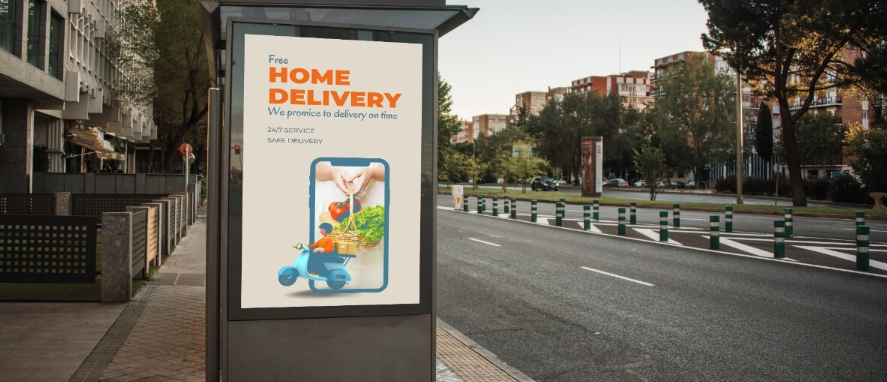
While large-format digital billboards continue to dominate highways and major urban centers, there has been a notable surge in street-level digital displays. These smaller, more targeted solutions appear on taxi tops, bus shelters, urban kiosks, and even integrated into rideshare vehicles.
One innovative example in this space is a company that has developed proprietary advertising displays for vehicles, allowing for dynamic content delivery based on location, time, and contextual triggers like weather conditions. Their technology represents how street-level advertising is evolving to become more relevant and contextualized.
How AI is Revolutionizing Outdoor Advertising
Artificial intelligence is fundamentally changing how DOOH advertising campaigns are conceived and delivered. The integration of AI enables unprecedented levels of personalization, optimization, and measurement.
Real-Time Content Optimization
AI algorithms can analyze vast amounts of data in real-time to determine which creative elements will resonate most with the current audience. This capability allows for dynamic content adjustments based on time of day, traffic patterns, and even emotional responses.
For instance, a street-level digital display might show coffee advertisements during morning commute hours and switch to dinner options in the evening. Moreover, if the system detects heavy traffic, it might prioritize shorter, more impactful messaging that can be quickly absorbed.
Audience Recognition and Targeting
Advanced computer vision technology enables DOOH systems to anonymously analyze audience characteristics. It’s important to note that this is done with privacy in mind, without storing personally identifiable information.
These systems can determine demographic information such as approximate age ranges, gender distribution, and attention levels. With this data, advertisements can be tailored to the specific audience present at that moment.
Research shows that targeted DOOH advertisements increase brand recall by up to 52% compared to non-targeted displays.
Data-Driven Transformation in Street-Level Advertising
The proliferation of data has fundamentally changed how street-level advertising is planned. Advertisers now have access to unprecedented insights that enable highly targeted campaigns.
Location Intelligence and Geotargeting
Location data forms the backbone of effective street-level advertising. Advanced geotargeting enables advertisers to deliver different messages based on neighborhood demographics, nearby businesses, and local events.
Statistics indicate that location-relevant advertisements increase consumer engagement by up to 70%.
The Future of DOOH
As technology continues to evolve, several emerging trends will shape the future of street-level DOOH advertising, including programmatic buying, real-time bidding, and interactive experiences that transform displays into immersive portals rather than passive viewing experiences.
The convergence of AI, data analytics, and digital display technology is fundamentally transforming street-level advertising. From dynamic content optimization to comprehensive measurement capabilities, DOOH has evolved far beyond traditional outdoor advertising.
I’m providing a link where you can get more detailed information about Street Level DOOH Advertising: Click Here