.)
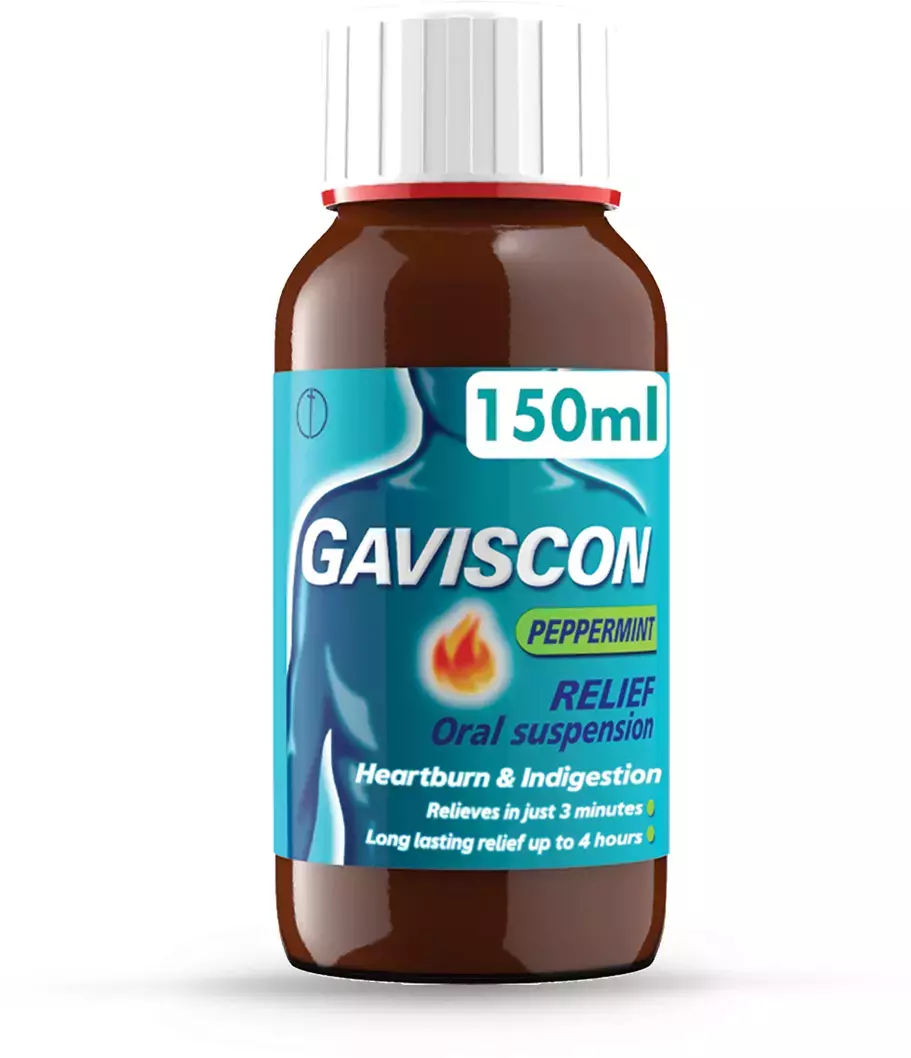
Acid reflux is a common digestive disorder where stomach acid frequently rushes back into the oesophagus. When it becomes chronic, it is also referred to as gastro-oesophageal reflux disease (GERD). Uncomfortable symptoms including heartburn, regurgitation, chest pain, and even trouble swallowing may result from this. Fortunately, there are numerous therapy options for acid reflux, including prescription and over-the-counter drugs. In order to help people better understand their alternatives for relief, this article examines the top drugs for acid reflux.
1. First, describes acid reflux.
When food enters the stomach and is not adequately closed by the lower esophageal sphincter (LES), a ring of muscle at the bottom of the oesophagus, acid reflux results. This malfunction causes irritation and pain by allowing stomach acid and occasionally undigested food to return to the oesophagus. Frequent acid reflux can develop into GERD, which can cause more serious symptoms and consequences, if treatment is not received.
2. OTC Antacids: Immediate Relief for Minor Illnesses
Over-the-counter antacids can offer quick and efficient relief for people with mild or sporadic acid reflux. In order to lessen esophageal irritation, antacids neutralise stomach acid. Typical over-the-counter antacids are Mylanta, Maalox, Rolaids, and Tums.
These drugs, which are usually sold as effervescent powders, liquids, or chewable pills, work well to rapidly neutralise acid and relieve discomfort and heartburn. However, because they don’t treat the underlying causes of acid reflux, they only offer short-term relief and shouldn’t be used for long-term maintenance.
3. H2 Blockers: Lowering the Production of Stomach Acid
H2 blockers, sometimes referred to as histamine-2 receptor antagonists, may be useful for more frequent acid reflux. By inhibiting the stomach lining’s histamine receptors, these drugs lower the formation of acid. The most popular over-the-counter H2 blockers are Pepcid AC (famotidine), Zantac 360 (ranitidine), and Tagamet (cimetidine).
H2 blockers are frequently used to prevent acid reflux and treat heartburn, particularly when it happens more than twice a week. Although they usually take longer to start working than antacids, they provide relief that lasts for up to 12 hours. Although proton pump inhibitors (PPIs) are more beneficial for severe symptoms, H2 blockers can be a useful choice for persons with moderate or frequent acid reflux.
4. The Best Choice for Severe Symptoms: Proton Pump Inhibitors (PPIs)
Proton pump inhibitors (PPIs) are frequently the best course of treatment for people with more severe or chronic acid reflux. PPIs function by inhibiting the stomach lining’s proton pumps, which are in charge of generating stomach acid. PPIs can significantly lower stomach acid by blocking these pumps, providing long-lasting relief from the symptoms of acid reflux.
Nexium 24HR (esomeprazole), Prilosec OTC (omeprazole), and Prevacid 24HR (lansoprazole) are well-known over-the-counter PPIs. These drugs are useful for treating chronic acid reflux disease (GERD) because they are usually administered once daily and can offer relief for up to 24 hours. Because PPIs have a stronger and longer-lasting effect than antacids or H2 blockers, they are frequently advised for people who don’t respond to them.
5. When to Take Prescription Drugs Into Account
It could be necessary to speak with a healthcare professional about prescription-strength options if over-the-counter drugs are not offering enough comfort or if symptoms intensify or continue. Prescription PPIs with higher dosages, like Protonix (pantoprazole), Aciphex (rabeprazole), and Dexilant (dexlansoprazole), may be recommended for the long-term treatment of GERD and acid reflux.
Other prescription drugs, such prokinetics (like Reglan or Motilium), may be used in conjunction to PPIs in specific circumstances. By facilitating better food passage through the digestive tract, these drugs lessen the chance of reflux.
6. Antibiotics for Infection with Helicobacter pylori
In certain instances, an infection brought on by the Helicobacter pylori bacteria may be connected to acid reflux disease, or GERD. Both ulcers and persistent acid reflux may be exacerbated by this bacteria. Your healthcare practitioner might suggest antibiotics in addition to acid-reducing drugs to treat an H. pylori infection if they detect one.
For some people, eliminating H. pylori might help reduce the symptoms of acid reflux and encourage the stomach lining to repair. Usually, a PPI and antibiotics are used in tandem for a predetermined amount of time.
7. Lifestyle and Natural Remedies for Acid Reflux
Acid reflux symptoms can be lessened by taking specific lifestyle modifications and using natural therapies in addition to prescription drugs. It is frequently advised to manage symptoms by keeping a healthy weight, avoiding large meals or foods that cause reflux (such as spicy, fatty, or acidic foods), and raising the head of your bed while you sleep.
Natural treatments like aloe vera juice, apple cider vinegar, or ginger tea may help some people, but they should be used carefully because they might not be effective for everyone and may interfere with prescription drugs.
8. Dietary Interventions for Acid Reflux
An important factor in controlling acid reflux is diet. While some meals may help reduce symptoms, others may make them worse. Acid reflux episodes can be prevented, for instance, by avoiding trigger foods such as chocolate, caffeine, citrus, tomatoes, and fatty or fried foods.
On the other hand, consuming low-fat and high-fiber foods, drinking lots of water, and eating smaller meals throughout the day can all help to improve digestive health and lessen symptoms. To create a diet that suits them, people with acid reflux should collaborate closely with a dietician or healthcare professional.
9. Knowing When to Get Medical Help
Even though many people get comfort from over-the-counter drugs, it’s important to know when to seek expert medical assistance. You should visit a doctor right away if your acid reflux symptoms don’t go away after using over-the-counter remedies, or if you have trouble swallowing, chest pain, unexplained weight loss, or bleeding. These might indicate a more serious ailment, like Barrett’s oesophagus, an esophageal ulcer, or other issues associated with persistent acid reflux.
10. The Value of Long-Term Administration
Long-term care is essential for people with chronic acid reflux disease (GERD) in order to avoid problems and enhance their quality of life. This could entail a mix of prescription drugs, lifestyle modifications, and routine medical supervision. In certain situations, if drugs are no longer working or serious adverse effects occur, surgery might be considered.
11. Nissen Fundoplication as a Surgical Option
Rarely, surgery may be required to treat acid reflux if medication and lifestyle modifications are ineffective. The most common surgery for acid reflux is a nissen fundoplication. In order to strengthen the LES and stop stomach acid from returning to the oesophagus, the upper portion of the stomach is wrapped around the lower oesophagus. Surgery can provide some people with long-lasting relief, but it is usually saved for the most serious instances.
12. Using a Holistic Approach to Treat Acid Reflux
Medication, dietary adjustments, lifestyle changes, and stress reduction techniques are all part of a comprehensive approach to treating acid reflux. For long-term comfort, many people discover that a thorough treatment plan catered to their individual circumstances yields the best outcomes.
To enhance general digestive health and avoid reflux episodes, doctors frequently advise using acid reflux drugs in addition to making healthy lifestyle choices like giving up smoking, drinking less alcohol, and controlling stress.
13. Conclusion: Identifying Your Ideal Course of Treatment
The intensity of your symptoms and your general health will determine which acid reflux medication is appropriate for you. While H2 blockers and PPIs offer more effective long-term relief for regular or severe reflux, over-the-counter antacids are a solid first line of defence for infrequent heartburn. To manage acid reflux and avoid complications, it is crucial to speak with a healthcare professional about prescription medications or lifestyle modifications if symptoms continue.
Finding a treatment plan that reduces your symptoms, enhances your quality of life, and helps you avoid more acid reflux episodes can be accomplished by being aware of your alternatives and collaborating closely with a healthcare professional.