
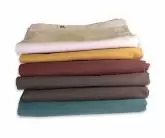
When you need rugged, reliable protection—whether for equipment, cargo, job sites or seasonal storage—canvas tarps offer a combination of breathability, durability and versatility. We’ll now discuss several specialty varieties tailored to real-world needs: Breathable Waterproof Canvas Tarps, Water Resistant Canvas Tarps, Fire Retardant Canvas Tarps, Untreated Canvas Tarps, and Duck Canvas Tarps.
Here’s how they stack up—starting with why these options matter most to businesses, contractors, farmers and DIY users.
Canvas Tarps in Action: What They Do Best
Canvas tarps shine when you need protection without trapping moisture. Unlike fully waterproof plastics, canvas lets air circulate—reducing condensation and mildew risk beneath the cover. That breathability makes them ideal for shielding wood, machinery, vehicles or supplies without accelerating rust or rot.
They’re also highly tear‑resistant, often featuring double‑stitched hems and solid metal grommets for secure fastening in demanding environments. And many are treated to resist UV rays, mildew and moisture while maintaining a classic, utilitarian look and eco‑friendlier profile.
Breathable Waterproof Canvas Tarps
These combine a robust, breathable canvas base with a surface treatment that sheds light rain while allowing moisture to escape. That means gentle, temporary water resistance without sealing in heat or dampness—ideal for coverage in mild showers or short‑term exposures.
Water Resistant Canvas Tarps
Made from waxed or heat‑treated cotton duck fabric, these tarps resist light rain and spray thanks to water‑repellent coatings. They are rated at material weights of 16 oz, 18 oz or 21 oz per square yard, in traditional olive and tan tones. They’re widely used in construction, agriculture, landscaping, DIY and storage.
Fire Retardant Canvas Tarps
These rugged tarps carry flame‑retardant finishes that comply with CPAI‑84, NFPA‑701 and other safety standards. They’re breathable, water‑resistant and flame‑resistant—ideal for industrial, shipping, refinery or municipal use where fire exposure is a risk. Material weights include 16 oz, 18 oz, or heavy 22 oz per square yard. They also resist tears, mildew, grease and acid.
Untreated Canvas Tarps
Plain, untreated canvas offers a neutral, natural cotton surface—perfect for painters, artists, temporary ground cloths or light-duty protective uses. No coatings means no waterproofing, but maximum breathability and paint adhesion.
Duck Canvas Tarps
Crafted from tightly woven cotton duck—ranging from #12 (12 oz) to #4 (25 oz)—these tarps offer natural strength, tear resistance and airflow. They’re used when you need heavy canvas drape that’s tough but breathable—ideal for machinery covers, mural backings, dust protection or artisan uses.
Why Businesses and Construction Depend on Canvas Tarps
Breathability Prevents Damage
Canvas allows underlying surfaces to “breathe,” which helps prevent mold, condensation or corrosion. That quality is crucial when covering metal gear or wood that must stay dry and air‑circulated.
Durability for Long-Term Use
These tarps are built to last—canvases are dense, thick and often double‑stitched with robust grommets spaced around the perimeter. They endure heavy use in construction zones, farms, trailers and outdoor workshops.
Treatment for Special Environments
Waxed or silicone treatments add water resistance to “water-resistant” styles. Fire retardant finishes offer certified flame protection. Untreated canvas remains completely breathable. This lets customers choose exactly what their application demands.
Eco-Friendliness and Aesthetic Appeal
Canvas is biodegradable and made from renewable cotton. For users concerned about environmental impact or wanting a natural‑textured look, canvas is a standout option over synthetic vinyl or polyethylene tarps.
Use Cases by Sector:
Construction & Industrial
From covering scaffolding and material piles to fire‑safe screening and moisture‑sensitive equipment protection, treated canvas tarps bring both breathability and ruggedness to job sites. Fire‑retardant models help create safer zones during welding, hot work, or in combustible environments.
Agriculture & Transportation
Canvas tarps protect hay, seed, tools or vehicles without sealing in moisture. Breathable designs reduce condensation in farm storage sheds or transport scenarios. Fire‑retardant tarps may protect fuel equipment or provide spill‑containment barriers where fire risk exists.
Home & DIY
Use untreated canvas as painter’s drop cloths or protective ground sheets. Water‑resistant duck canvas protects firewood, lawn equipment or gardening tools. Breathable waterproof tarps are ideal for emergency cover when rain is expected, but long‑term airflow is important.
Arts, Events & Creative Work
Duck canvas also serves muralists, artisans or event planners looking for a durable, paint surfaces or a neutral backdrop. Its porous texture works well for canvas art, stage sets or protective coverings that need to stay dry and breathable.
Practical Features to Consider
- Material Weight: Choose 16 oz, 18 oz or 22 oz based on ruggedness needed.
- Treatment: Untreated for breathability; waxed for water resistance; flame‑retardant for safety compliance.
- Grommets and Hemming: Reinforced hems with brass or stainless‑steel grommets ensure secure tie‑downs and reduce tearing.
- Custom Sizing: Tarps Now offers cut‑to‑size options, so you can get exact dimensions without overhang.
- Color Choice: Olive drab and tan are standard and blend into most work environments, reducing glare and showing dirt less.
Limitations to Know
- Not Fully Waterproof: Even water‑resistant canvas may leak under heavy, prolonged rain, especially where water pools.
- Absorbs Water: Wet canvas can get heavy and take time to dry; untreated varieties can retain moisture unless properly aired.
- Weight and Storage: Heavier canvas tarps are more cumbersome than poly or vinyl options and require dry, ventilated storage to avoid mildew.
- Maintenance: Over time, coatings may degrade. Re‑treatment can restore water resistance and fire performance if needed.
A Glimpse into Canvas Tarp History & Material Science
Canvas has been used for centuries—first aboard ships, then in tents, wagons and early industrial covers. Today’s cotton duck canvas is woven tightly, then often treated with wax, paraffin or silicone to add performance while preserving breathability. Fire‑retardant coatings help meet safety standards without making the material stiff or non‑porous.
Modern canvas tarps bridge old‑school toughness with today’s needs, offering a renewable, repairable, feel‑good alternative to every project that demands real resilience and airflow.
Final Thoughts
With strong construction, custom sizing and performance treatments matched to each need, canvas tarps remain a trusted staple for professionals and hobbyists alike.