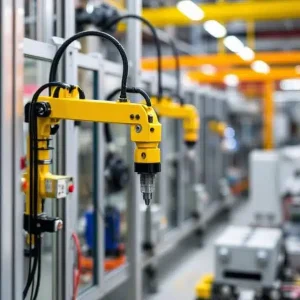
An Automation Integrator is a professional or company that designs, implements, and maintains automated systems that improve efficiency, safety, and productivity in industrial and commercial settings. They bridge the gap between hardware (sensors, controllers, machinery) and software (SCADA, HMI, PLC programming) to create seamless, automated workflows.
Why Automation Integrators Matter
As industries continue to embrace Industry 4.0 and smart manufacturing, the demand for industrial automation integration is rapidly increasing. From manufacturing plants and water treatment facilities to logistics centers and energy sectors, automation integrators are essential to operational transformation.
Key Services Offered by Automation Integrators
1. PLC Programming and Control System Design
Automation integrators specialize in designing and programming PLC (Programmable Logic Controller) systems that control complex machinery and processes.
2. SCADA and HMI Integration
They implement SCADA (Supervisory Control and Data Acquisition) systems and HMI (Human-Machine Interface) solutions that allow operators to monitor, control, and collect data from industrial processes.
3. System Upgrades and Retrofits
Whether replacing outdated equipment or enhancing current systems, automation integrators help modernize infrastructure without major disruptions.
4. Custom Automation Solutions
Each industry and process is unique. Automation integrators design customized solutions tailored to specific operational goals, including robotics integration, IoT connectivity, and machine vision systems.
5. Testing, Commissioning, and Support
A reputable automation integrator not only installs the system but also ensures it functions optimally through rigorous testing, ongoing support, and training.
Industries That Rely on Automation Integrators
- Manufacturing and Assembly
- Food and Beverage Processing
- Pharmaceuticals and Life Sciences
- Oil, Gas, and Energy
- Water and Wastewater Management
- Automotive
- Logistics and Warehousing
Benefits of Hiring a Certified Automation Integrator
- Reduced downtime and increased productivity
- Improved process accuracy and repeatability
- Energy savings and reduced operational costs
- Enhanced safety and regulatory compliance
- Real-time data and analytics for smarter decision-making
Choosing the Right Automation Integrator
When selecting an automation partner, look for:
- Industry certifications (e.g., CSIA-certified integrators)
- Experience with leading platforms (e.g., Rockwell Automation, Siemens, Schneider Electric)
- Strong technical support and customer service
- Proven track record with case studies or client testimonials
Final Thoughts
A skilled automation integrator is more than just a technical consultant—they’re a long-term partner in digital transformation. With the right integration strategy, businesses can streamline operations, increase ROI, and stay competitive in an increasingly automated world.