
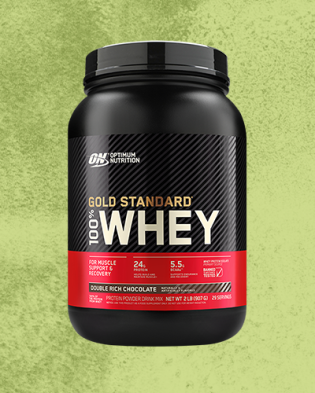
A comprehensive strategy that include strength training, adequate rest, and—above all—nutrition is necessary to build muscle. Protein is a crucial component among the several nutrients that promote muscular building. Eating enough protein encourages muscle growth and aids in the repair of muscle fibres damaged during vigorous exercise. When you have a rigorous exercise regimen, protein powders are a convenient and efficient way to get the protein you need. Knowing which protein powder is ideal for muscle building is crucial, though, because there are a lot of options available. The top protein powders for muscle growth, their advantages, and how to pick the ideal one for your fitness objectives will all be covered in this article.
1. The Significance of Protein in Muscle Growth
Because protein can construct and repair muscle fibres after exercise, it is essential for muscular growth. You cause microscopic tears in your muscle fibres when you exercise, especially when you’re strength training. By creating new muscle tissue and increasing the size and strength of the muscle fibres, protein aids in the mending of these tears. Your body won’t have the building blocks necessary for muscle growth and repair if you don’t consume enough protein. Protein helps in muscle regeneration as well as the synthesis of hormones, enzymes, and other body processes essential to general health and recuperation. Consequently, everyone who wants to increase their muscle mass must consume enough protein.
2. Whey Protein: The Best Option for Gaining Muscle
One of the most widely used protein powders for muscle growth is whey protein. Because it contains all nine of the essential amino acids needed for muscle growth and repair, it is a complete protein. Whey protein is a great option for post-workout nutrition because it is rapidly absorbed by the body. Your muscles require quick protein to begin the healing process after a strenuous workout. This is quickly supplied by whey protein, which aids in promoting muscle protein synthesis and quickening recovery.
Leucine, an amino acid thought to be very useful in promoting muscle building, is also abundant in whey protein. Because of this, it’s the perfect protein powder for anyone trying to gain muscle mass. Furthermore, whey protein comes in a range of flavours, which makes it simple to include in your regular routine.
3. Whey Concentrate vs. Whey Isolate
Whey isolate and whey concentrate are the two primary varieties of whey protein. Whey isolate is more refined, has a greater protein content per serving (usually about 90%), and has fewer lipids and carbohydrates. In contrast, whey concentrate typically has a protein content of 70–80% and contains more lipids and carbohydrates. Whey isolate might be a better option if your main objective is to gain muscle with as few extra calories from fat or carbs as possible. If you prefer a less expensive protein powder and are less concerned about fat content, whey concentrate is also a great choice.
4. Casein Protein: Continuous Muscle Repair Through Slow Digestion
Another great choice for growing muscle is casein protein. Casein protein releases amino acids gradually over a number of hours, in contrast to whey protein’s rapid digestion. Because it promotes muscle growth and repair as you sleep, it’s perfect for usage right before bed. Your body gets a steady, slow supply of protein from casein, which can help stop muscle breakdown (catabolism) during the night.
Casein protein might be a fantastic choice for people who want to increase their muscle mass while they sleep or after going for extended periods of time without eating. It’s a nice addition to shakes or smoothies because it comes in a variety of flavours and usually has a creamy texture.
5. Lean and High-Quality Protein: Egg White Protein
Rich in high-quality, readily digested protein, egg white protein is a lean protein source. It is minimal in fat and carbs and has all the key amino acids needed for muscle building and recovery. Egg white protein can be a fantastic substitute for whey and casein for people who are lactose intolerant or who avoid dairy.
In addition to being a powerful muscle-building protein, egg white protein has a relatively mild flavour that makes it simple to combine with other smoothie ingredients. If you want a protein powder with a high protein-to-calorie ratio, this is also a great choice. It gives you the protein you need without including extra sugar or fat.
6. Plant-Based Proteins: Perfect for Dairy Sensitivities and Vegans
For those who are lactose intolerant, vegan, or just prefer plant-based products, plant-based protein powders are an excellent choice. Plant proteins come in a variety of forms, such as rice, hemp, soy, and pea protein. Many manufacturers blend many plant sources to produce a full protein profile, even though some plant-based proteins might not be complete proteins on their own (lacking one or more essential amino acids).
For instance, branched-chain amino acids (BCAAs), which are abundant in pea protein, are essential for the synthesis of muscle protein. Omega-3 fatty acids and fibre, which are found in hemp protein, support general health and muscle repair. It has been demonstrated that soy protein, a complete plant protein that contains all of the essential amino acids, can significantly aid in muscle growth. Choose a protein powder with a full amino acid profile if you’re searching for a plant-based alternative for the best muscle-building results.
7. Collagen Protein: Aiding in Recovery and Joint Support
Collagen protein can nevertheless affect your general performance and recuperation even though it isn’t a full protein supply for muscle growth. The primary protein present in connective tissues, such as cartilage, ligaments, and tendons, is collagen. Collagen protein helps preserve general mobility and lowers the chance of damage during vigorous strength training sessions by promoting joint health.
Collagen protein can be a helpful supplement to your diet to support joint health and general recuperation, even if it doesn’t immediately aid in muscle growth like other protein powders do. Since collagen is usually flavourless or mildly flavoured, adding it to shakes or smoothies is simple.
8. Protein Blends: The Finest Combination of Various Sources
To provide a wider range of advantages, several muscle-building protein powders blend different kinds of protein. A protein mix might, for instance, contain casein for slow digestion, whey protein for rapid absorption, and egg white or plant-based proteins to complete the amino acid profile. These mixes provide a more well-rounded strategy for building and recovering muscles.
If you’re looking for a protein powder that releases amino acids both instantly and over time, protein mixes can be quite beneficial. Because of this, protein blends are a great way to recuperate after working out or to substitute meals and keep your muscles fuelled all day.
9. Qualities to Consider in a Protein Powder for Building Muscle
Take into account the protein content, amino acid composition, and overall nutritional value when choosing a protein powder for muscle growth. Choose a protein powder that contains necessary amino acids, particularly leucine, which is crucial for muscle building, and that offers at least 20 grammes of protein per serving. Steer clear of protein powders that contain artificial sweeteners, excessive added sugars, or needless fillers as they can undermine your fitness objectives.
Take into account the protein’s digestibility as well. Egg white protein or plant-based proteins are good substitutes for whey if you have digestive issues with specific proteins.
10. When to Eat Protein to Get the Most Muscle Growth
Timing your protein intake can be just as crucial for the best muscle-building outcomes as the quantity of protein you ingest. To optimise muscle growth and recuperation, it’s generally advised to eat protein between 30 and 2 hours after working out. Your muscles are most responsive to protein during this window of time after working out.
To ensure constant muscle growth and repair, you can also eat protein throughout the day to keep your supply of amino acids constant. Think about including protein in your meals or snacks if you’re trying to find a meal substitute. Before retiring to bed, many people opt for a slow-digesting protein, such as casein, to support muscle regeneration during the night.
11. Protein and Exercise: A Successful Mix for Gaining Muscle
Exercise, especially strength training, is the main stimulus for muscle development, even if protein is essential for muscle growth. Although protein aids in the healing of muscle fibres damaged during exercise, muscles cannot grow if proper activity is not performed. To promote muscular growth, make sure your routine includes frequent resistance training, such as bodyweight exercises or weightlifting.
12. Final Thoughts: Selecting the Best Protein Powder to Gain Muscle
Your dietary choices, fitness objectives, and any potential dietary restrictions will determine which protein powder is optimal for muscle growth. Whey protein is still the best because of its high-quality amino acid profile and quick absorption, but depending on your demands, casein, egg white protein, and plant-based proteins are also great choices. By promoting joint health, collagen protein can enhance your muscle-building regimen, and protein blends offer a well-rounded strategy for long-term recovery. To properly support your muscle-building journey, pick a protein powder that suits your nutritional requirements, exercise regimen, and taste preferences.