
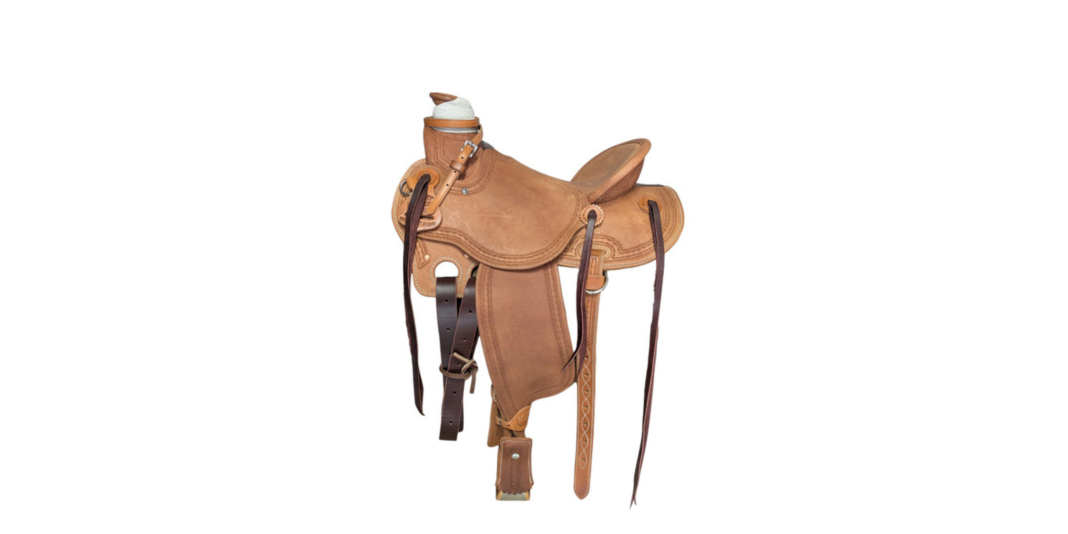
A familiar maker’s name can narrow a search, but it cannot finish the decision. When comparing mccall saddles, the useful details are attached to individual listings: the named model, seat description, tree information, condition, and included equipment. Keeping those details together helps a rider compare actual saddles instead of forming expectations from the brand name alone.
Start with a short description of the riding the saddle needs to support. Then use that description when asking about a specific listing. A focused question about a particular saddle is easier to answer than a broad request for the best model for every possible use.
Read the Entire Product Name
A listing title can contain several different pieces of information. The maker identifies who produced the saddle, while the model or style description narrows the design. Seat measurements and tree labels add more detail, but neither should be separated from the complete listing.
The retailer’s current McCall selection includes McLite Wade and McLite All Around listings, with individual titles also identifying seat sizes and tree descriptions. That is a reason to compare item by item. It is not evidence that every saddle under a shared name has the same construction or dimensions.
Save the item identifier alongside any notes. If two listings look similar, that reference helps the seller answer questions about the correct saddle. It also prevents a conversation about one item from being accidentally applied to another during ordering.
Where a detail is missing, leave a space for the answer rather than borrowing it from another listing. Ask the seller to confirm the exact item’s specification. Photographs and a familiar model name should support the description, not replace missing information.
Separate Measurements From Fit Conclusions
A listed seat size is useful comparison information, but the rider still needs to assess the actual seat and position. Ask how the measurement was taken if comparing it with another saddle. Differences in seat shape and the rider’s preferences make a real evaluation worthwhile.
Tree descriptions deserve their own questions. Ask what the label means for the particular model and what additional information is available. Avoid treating a word such as regular or wide as proof that a saddle will suit a specific horse.
Arrange a horse-and-rider fit assessment with a qualified saddle professional. Share the intended riding use and discuss the pad that will be used with the saddle. The assessment should address the actual combination rather than a measurement considered in isolation.
Keep the results specific. Record why a saddle was considered suitable or unsuitable and which questions remained unanswered. That record becomes useful when the next attractive listing appears, because it lets the rider compare against evidence rather than memory.
Consider Handling Alongside Riding
Think through the routine before and after a ride as well as time in the seat. The saddle must be carried, lifted, stored, and transported. Ask for its actual listed or measured weight if handling is part of the decision.
A lightweight description should prompt a practical comparison rather than an assumed benefit. Consider the complete setup, including the equipment that will be used with it. Where possible, handle the saddle in person and decide whether it is manageable for the person who will regularly tack up.
Check which accessories are included and which are separate purchases. Ask about stirrups, straps, and any other item shown in the photographs that is important to the intended setup. A complete package list is more useful than assuming the picture represents everything in the order.
Before narrowing the choice to one item, collect these details:
- The full model description and the listing’s item identifier.
- Seat measurements and the available tree information.
- The intended riding purpose and any confirmed use restrictions.
- The saddle’s condition and any disclosed alterations or repairs.
- Included accessories, handling information, and unresolved questions.
- The arrangements for an inspection, fit assessment, or permitted trial.
Confirm the Order as Carefully as the Shortlist
Find out whether the saddle being discussed is the specific pictured item or an order based on selected options. If choices remain, have them recorded together in the final description. Do not assume a photograph of one configuration confirms the details of another.
Ask about current availability and delivery arrangements when ready to order. Those details can change, so keep them separate from general product research. If a substitution is offered, compare its specification with the original choice before accepting it.
Read the applicable trial, return, and cancellation terms before payment. Clarify what use is allowed and whether a special order has different conditions. Keep written answers available through delivery and any agreed evaluation period.
On arrival, check the saddle against the recorded order before making adjustments or applying care products. Raise discrepancies promptly and follow the agreed evaluation process. This gives both the rider and seller a clear reference if a question arises.
Comparing McCall saddles becomes easier when the maker’s name leads to specific questions rather than automatic conclusions. Use the listings at Saddle Up Colorado to identify candidates, then confirm their individual details and arrange the appropriate fit assessment. The goal is a documented match for the rider’s work, the horse, and the complete setup.