
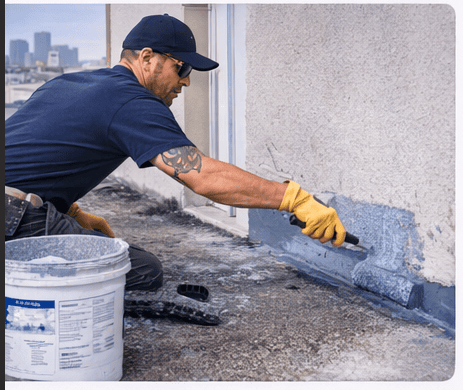
Balconies add valuable outdoor living space to homes, apartments, and condominium communities, but their constant exposure to the elements creates unique maintenance challenges. Even in a climate known for long stretches of dry weather, rain, standing water, sun exposure, and normal building movement can gradually affect balcony surfaces.
For Los Angeles property owners and managers, preventing water from penetrating a balcony assembly is about more than responding to visible leaks. A combination of effective waterproofing, reliable drainage, routine inspections, and timely maintenance can help preserve the balcony and the building components surrounding it.
Why Balconies Need a Waterproofing Strategy
Unlike many exterior surfaces, a balcony is both horizontal and exposed. Rain lands directly on the walking surface and must be directed toward drains, scuppers, or edges without finding a path into the structure below.
A waterproofing system creates a protective barrier between that moisture and vulnerable building materials. The system may include membranes, coatings, flashing, sealants, drainage details, and properly treated transitions around walls, doors, railings, and other penetrations.
Problems can develop when one or more of these components deteriorate. A small crack or failed transition may initially seem insignificant, particularly during dry weather. Once rain arrives, however, water can exploit weak points and potentially move beneath the finished surface.
Because some parts of a balcony assembly are concealed, deterioration may progress before the full extent of the issue is obvious from above.
Drainage Is Just as Important as the Surface
A waterproof surface alone is not the entire solution. Water also needs somewhere to go.
Proper balcony design typically encourages water to move away from the building and toward an intended drainage point. When drainage is restricted or the surface does not shed water effectively, moisture can remain on the balcony longer than intended.
Property owners should watch for several warning signs:
- Puddles that remain well after rainfall has stopped
- Debris collecting around drains or scuppers
- Cracks developing near drainage points
- Discoloration or staining around balcony edges
- Deteriorated sealant at wall or door transitions
- Water stains on ceilings or walls beneath a balcony
- Blistering, peeling, or separation of surface coatings
- Changes in the appearance or texture of the walking surface
One isolated symptom does not necessarily reveal the source of a waterproofing problem. Multiple recurring signs, however, are a good reason to investigate further.
Los Angeles Conditions Create Their Own Challenges
Los Angeles does not experience constant rainfall, which can make balcony maintenance easy to overlook. Months of relatively dry conditions may create the impression that an exterior surface is performing perfectly.
During dry periods, however, balcony materials remain exposed to sunlight, temperature changes, foot traffic, dirt, and normal wear. Sealants and coatings can age, while minor cracks or separation may develop around transitions.
The problem may only become apparent when seasonal rain tests the entire assembly at once.
This makes preventive inspection particularly useful. Instead of waiting until water appears inside a unit or beneath a balcony, property owners can periodically examine exposed surfaces and drainage components for signs of deterioration.
For property managers, condominium associations, and owners evaluating aging exterior surfaces, professional balcony waterproofing in Los Angeles can be considered as part of a broader strategy that addresses the waterproof barrier, drainage conditions, transitions, and potential sources of moisture intrusion.
The key is to consider the balcony as a complete exterior system rather than treating its surface as an isolated component.
Pay Close Attention to Transitions and Penetrations
Large, open areas of a balcony surface naturally receive attention during inspections, but smaller details can be equally important.
Every place where different building components meet creates a transition. Examples include the point where the balcony meets an exterior wall, the threshold below a door, railing attachment locations, drains, scuppers, and changes between different surface materials.
These areas can experience movement and repeated exposure to water.
Door Thresholds
Balcony doors create an important transition between interior and exterior space. The surrounding waterproofing and flashing details need to work together so rainwater is directed away rather than toward the interior.
Railings
Depending on their design, railing posts and attachments may create penetrations in or near waterproofed surfaces. These locations should be inspected for cracking, separation, or deterioration.
Wall Connections
Where horizontal balcony surfaces meet vertical walls, waterproofing details must accommodate the change in direction. Visible cracking or failed sealant in these areas deserves attention.
Drains and Scuppers
Drainage openings should remain unobstructed. Leaves, dirt, and other debris can restrict water movement and contribute to ponding during heavy rainfall.
These relatively small areas are easy to overlook during routine cleaning, yet they can have an outsized influence on how well the overall balcony manages water.
Preventive Maintenance Can Reduce Bigger Surprises
Balcony maintenance does not need to begin with a major construction project. Consistent observation can help property owners identify changes early and determine when professional evaluation is appropriate.
A practical maintenance routine might include visually checking the balcony after significant rain, clearing debris from drainage points, watching for new cracks, and documenting changes with dated photographs.
For larger properties, creating a standardized inspection process can be especially helpful. Property managers may oversee dozens or even hundreds of balconies, making it difficult to remember the history of each one.
A simple record of inspections, reported leaks, previous repairs, and photographs can make recurring issues easier to recognize. If several balconies with similar construction begin showing the same symptoms, the information may also help managers plan maintenance more systematically.
Avoid Treating Interior Damage as the Entire Problem
When a balcony leak causes staining or deterioration inside the building, it is natural to focus first on the damaged interior finish. Repainting a ceiling or replacing damaged drywall may improve appearances, but those steps do not necessarily address how moisture entered the structure.
The exterior source should be investigated as part of the repair process.
Water can sometimes travel away from its entry point before becoming visible, which means the location of an interior stain should not automatically be treated as proof of the exterior failure point.
A methodical investigation can help narrow down potential sources. Once the cause is better understood, repairs can focus on the components actually contributing to the problem rather than relying on repeated surface fixes.
Protecting Balconies as Part of the Whole Building
Balcony waterproofing is ultimately one piece of exterior building maintenance. Roofs, exterior walls, windows, doors, drainage systems, and balconies all interact to manage rainwater.
For single-family homeowners, periodic inspection can help identify small changes before they become persistent problems. For HOAs and property managers, a planned maintenance program can provide greater visibility across an entire community or multifamily building.
The goal is straightforward: keep water moving in the intended direction and prevent it from entering areas that were designed to remain dry.
Conclusion
A balcony may look like a simple outdoor platform, but effective water management depends on several components working together. The surface, waterproofing layer, drains, flashing, transitions, railings, and adjacent walls can all influence how the balcony performs during wet weather.
Los Angeles property owners can take a more proactive approach by keeping drainage paths clear, inspecting vulnerable transitions, documenting changes, and investigating recurring moisture instead of repeatedly repairing visible symptoms.
Treating the balcony as part of the building’s complete water-management system can make maintenance decisions more focused and help protect both the outdoor space and the structure around it for years to come.