
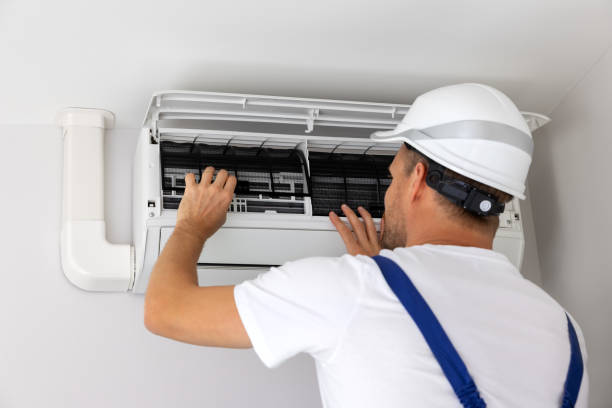
An HVAC system can seem perfectly normal one moment and stop heating or cooling the next. When that happens during a West Texas temperature extreme, the natural reaction is to start pressing thermostat buttons, resetting equipment, or searching for a quick fix.
A better approach is to work through a few safe checks, protect the home from unnecessary temperature gain or loss, and recognize situations that call for professional help. Knowing what to do during the first hour can make an unexpected breakdown much easier to manage.
Start With the Simplest Possible Explanations
Not every HVAC shutdown means a major component has failed. Before assuming the worst, homeowners can check several basic items that do not require opening equipment or attempting repairs.
Start at the thermostat. Confirm that it has power, is set to the correct heating or cooling mode, and has a reasonable temperature setting. Someone in the household may have accidentally changed a setting, or the thermostat may have lost power.
Next, inspect the HVAC filter. A severely restricted filter can interfere with normal airflow and contribute to performance problems.
Homeowners can also look at the electrical panel to see whether an HVAC-related breaker has tripped. A breaker that trips once may be reset according to the manufacturer’s normal operating instructions. However, repeatedly resetting a breaker that continues to trip is not a solution. That behavior can indicate an electrical or equipment problem requiring professional diagnosis.
Finally, check whether supply vents and return grilles are unobstructed. These basic observations may not solve every breakdown, but they can eliminate some straightforward causes.
Pay Attention to What Happened Before the Failure
The events leading up to an HVAC shutdown can provide useful clues.
Think about the previous few hours or days. Did the system begin making an unfamiliar sound? Was airflow weaker than normal? Did the air conditioner run continuously without reaching the thermostat setting? Was there an unusual odor?
Useful observations include:
- Whether the system stopped suddenly or gradually lost performance
- Whether the indoor fan is still operating
- Whether air from the vents became warmer or cooler than expected
- Whether unusual noises occurred before shutdown
- Whether the thermostat display changed or went blank
- Whether a breaker has tripped
- Whether water is visible around indoor equipment
- Whether some rooms were having airflow problems beforehand
Homeowners do not need to diagnose the equipment themselves. These details are simply helpful information to provide to an HVAC technician.
Know When to Stop Troubleshooting
There is an important difference between observing an HVAC system and attempting to repair one.
Homeowners can safely check thermostat settings, filters, vents, and obvious external conditions. Internal electrical components, motors, refrigerant systems, and other mechanical parts should generally be evaluated by trained professionals.
Certain symptoms should also discourage further DIY troubleshooting.
For example, a persistent burning smell, smoke, sparking, repeated breaker trips, or unusual electrical behavior can indicate a potentially serious issue. If conditions appear unsafe, turn the equipment off when it is safe to do so and seek appropriate professional assistance.
Similarly, repeatedly restarting malfunctioning equipment is rarely a productive strategy. If the system immediately shuts down again, there is usually a reason.
When a complete breakdown requires professional attention, especially during periods of severe West Texas weather, arranging emergency HVAC repair in Midland can be more appropriate than continuing to experiment with a system that will not operate normally.
Protect Indoor Comfort While Waiting for Help
Once professional service has been arranged, homeowners can focus on slowing indoor temperature changes.
During hot weather, close blinds or curtains on windows receiving direct sunlight. Avoid using ovens, clothes dryers, and other appliances that generate substantial indoor heat. Ceiling and portable fans can improve perceived comfort when they can be operated safely, although fans do not actually lower room temperature.
Keep exterior doors closed as much as practical. Repeatedly entering and leaving the house allows conditioned indoor air to escape.
During cold conditions, use curtains and blinds strategically to reduce heat loss, keep exterior doors closed, and gather household members in comfortable areas of the home.
Special consideration may be necessary for young children, older adults, pets, or anyone particularly vulnerable to temperature extremes. If indoor conditions become unsafe, relocating temporarily to a properly conditioned environment may be the most sensible option.
Avoid Common Emergency HVAC Mistakes
The pressure of an unexpected breakdown can lead homeowners to try solutions that make diagnosis more difficult or create additional problems.
Repeatedly Changing the Thermostat
Setting an air conditioner dramatically colder will not necessarily make a malfunctioning system cool faster. Likewise, repeatedly switching modes or changing settings can make it harder to determine how the equipment is behaving.
Choose an appropriate setting and observe the response.
Resetting Breakers Over and Over
A breaker is a safety device. If it repeatedly trips, continually resetting it does not address the underlying reason.
Opening HVAC Equipment
Removing panels to investigate internal components can expose homeowners to electrical and mechanical hazards. Leave internal diagnosis to qualified technicians.
Ignoring Strange Odors or Sounds
A system that is still technically running may nevertheless have a problem. New grinding, buzzing, squealing, or other significant sounds deserve attention, particularly when accompanied by poor performance.
Waiting Until Indoor Conditions Become Severe
During moderate weather, a short HVAC interruption may simply be inconvenient. During periods of extreme heat or cold, indoor temperatures can become much more concerning.
Respond based on both the equipment problem and the environmental conditions.
Why HVAC Failures Can Feel More Urgent in Midland
Climate makes a major difference in how homeowners experience equipment failure.
West Texas cooling systems can face extended operating periods during hot weather. Dust can also contribute to dirty filters and equipment buildup, making regular inspections and maintenance especially valuable.
Heating failures can matter as well. Although Midland is associated with heat, winter cold fronts can still create periods when reliable heating becomes important.
This combination means homeowners benefit from knowing their HVAC system before an emergency occurs. Learn where the electrical panel is located, understand the thermostat’s basic controls, know the correct replacement filter, and keep equipment areas accessible.
Those simple preparations can save time when something unexpectedly stops working.
Reduce the Chances of Being Caught Off Guard
No maintenance routine can guarantee that an HVAC system will never fail. Components wear out, electrical problems develop, and equipment eventually reaches the end of its service life.
Preventive attention can, however, make some developing problems easier to identify.
Homeowners should pay attention to changes in system behavior throughout the year rather than waiting for a complete shutdown. Increasingly long cycles, deteriorating airflow, unusual noises, inconsistent temperatures, and unexplained performance changes can all justify further investigation.
Routine professional maintenance also provides an opportunity to inspect equipment under controlled circumstances rather than discovering every problem during peak demand.
Keeping the outdoor unit reasonably clear of debris, replacing filters as needed, avoiding blocked vents, and responding to unusual system behavior are straightforward habits that support reliable operation.
Conclusion
The first hour after an HVAC breakdown should be about observation and sensible action rather than aggressive DIY repair.
Check the thermostat, filter, vents, and obvious power issues. Pay attention to unusual sounds, smells, airflow changes, or other symptoms that could help explain what happened. If the system shows signs of an electrical or mechanical problem, avoid repeatedly restarting it or opening equipment panels.
Most importantly, consider the conditions inside the home. An HVAC failure during mild weather is very different from losing cooling during intense West Texas heat.
Having a simple response plan allows homeowners to make safer, more informed decisions when an unexpected heating or cooling problem occurs. Combined with preventive maintenance and early attention to warning signs, that preparation can make an inconvenient breakdown significantly easier to handle.