
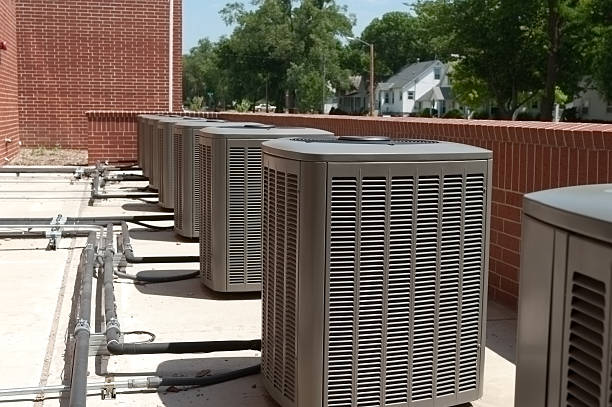
San Antonio summers put residential air conditioning systems under sustained pressure. When outdoor temperatures climb and remain high for days at a time, an HVAC system may run much longer than it does during milder weather.
That makes preparation important. A few preventive steps can help homeowners identify potential problems before peak heat arrives, improve airflow, and reduce the chances of an unexpected cooling failure during the hottest part of the year.
Replace or Check the Air Filter
One of the simplest HVAC maintenance tasks is also one of the most important.
A dirty air filter can restrict airflow through the system. When airflow decreases, the air conditioner may have to work harder to circulate cooled air throughout the home.
Homeowners should inspect the filter periodically and replace it according to the filter manufacturer’s recommendations and household conditions. Homes with pets, significant dust, or frequent HVAC use may need more frequent checks.
A clean filter does not solve every cooling issue, but it is an easy place to start.
Keep the Outdoor Unit Clear
Central air conditioning systems typically rely on an outdoor condenser unit to release heat collected from inside the house.
Leaves, grass clippings, vegetation, dirt, and other debris around the unit can interfere with airflow. Homeowners can help by keeping the surrounding area clear and making sure plants are not growing directly against the equipment.
The outdoor unit should also remain accessible for professional inspection and service.
Avoid attempting to disassemble or repair electrical and mechanical components yourself. Internal HVAC work should be handled by a qualified professional.
Test the System Before the Hottest Weather Arrives
Waiting until the first extremely hot afternoon to discover an air conditioner is struggling can create an unnecessary emergency.
Before temperatures reach their seasonal peak, run the cooling system and pay attention to how it operates.
Watch for warning signs such as:
- Warm air coming from vents
- Weak or inconsistent airflow
- Unusual rattling, buzzing, or grinding noises
- Frequent starting and stopping
- Excessive indoor humidity
- Unusual odors
- Rooms that remain significantly warmer than others
- A system that runs continuously without reaching the thermostat setting
Finding these symptoms earlier gives homeowners more time to investigate the cause.
Pay Attention to Airflow Throughout the House
Cooling performance is not determined by the air-conditioning unit alone.
The ductwork distributing conditioned air throughout a home plays an important role in overall comfort. Leaks, damaged ducts, airflow restrictions, or poorly balanced distribution can leave certain rooms uncomfortable even when the HVAC equipment itself is functioning.
Walk through the home while the system is running and compare airflow from different supply vents.
A major difference between rooms may warrant further evaluation.
For homeowners who need professional HVAC assistance in the San Antonio area, Cowboys Air Conditioning & Heating provides air conditioning, heating, ductwork, indoor air quality, installation, repair, and maintenance services. The company has served San Antonio since 1985 and is licensed in Texas.
Check the Thermostat
The thermostat is easy to overlook, but problems with its settings or location can affect comfort.
Make sure the thermostat is set to cooling mode and that the desired temperature is reasonable for current weather conditions.
Homeowners using programmable or smart thermostats should also review scheduled temperature changes. An old schedule from another season can sometimes cause unexpected HVAC behavior.
Thermostats installed near direct sunlight, frequently opened exterior doors, kitchens, or supply vents may also produce readings that do not accurately represent the rest of the house.
Reduce Unnecessary Heat Gain
Helping the air conditioner does not always require changing the HVAC equipment.
Reducing the amount of heat entering the home can lower the cooling demand placed on the system.
During especially hot periods, homeowners can:
- Close blinds or curtains receiving strong afternoon sunlight
- Use ceiling fans to improve perceived comfort
- Limit unnecessary use of heat-producing appliances during peak afternoon hours
- Check exterior doors and windows for obvious gaps
- Make sure attic access points close properly
- Avoid leaving doors open for extended periods
These steps cannot compensate for a malfunctioning HVAC system, but they can reduce unnecessary heat gain.
Don’t Ignore Rising Energy Usage
An unusually high electricity bill does not automatically mean the air conditioner is failing. Weather conditions, utility rates, household occupancy, and other factors can all influence energy consumption.
However, a noticeable increase in HVAC usage combined with declining indoor comfort can indicate that something has changed.
The system may be running longer because of reduced airflow, equipment deterioration, refrigerant-related issues, duct leakage, thermostat problems, or increased heat entering the building.
Looking at patterns over time can be more useful than focusing on a single bill.
Consider Preventive HVAC Maintenance
Professional maintenance can help identify developing problems that homeowners may not see during a basic visual inspection.
Depending on the system, an HVAC technician may inspect electrical connections, airflow, drainage, equipment condition, thermostat operation, and other components.
Preventive service does not guarantee that equipment will never fail, but identifying worn or malfunctioning components before extreme weather can reduce the risk of being surprised during periods of heavy system use.
Know When an Aging System Needs Closer Attention
HVAC equipment does not last indefinitely.
Older systems may require increasingly frequent repairs, run for longer periods, or become less capable of maintaining comfortable indoor conditions.
Age alone does not necessarily mean immediate replacement is required. Equipment condition, repair history, efficiency, comfort performance, and the cost of continued repairs should all be considered.
If an older air conditioner begins developing repeated problems, homeowners may benefit from comparing repair and replacement options rather than automatically choosing another short-term repair.
Prepare Before the Temperature Peaks
The worst time to start thinking about air-conditioning reliability is after the system has already stopped cooling during an extreme heat event.
Checking filters, clearing the outdoor unit, monitoring airflow, testing the thermostat, reducing heat gain, and watching for changes in system behavior can give homeowners a better understanding of their HVAC system before summer conditions become demanding.
When something does not seem right, addressing it early may prevent a minor issue from becoming a more disruptive cooling problem.
For San Antonio homeowners, preparing the HVAC system before the hottest weeks of the year is one of the simplest ways to make the home better equipped for South Texas summer weather.