
Entertainment has changed from a shared household activity into a highly personalized digital experience. In the past, television schedules controlled when people watched their favorite shows, movies, and sports events. Today, streaming platforms have completely transformed that relationship by giving viewers full control over their entertainment choices.
Modern audiences no longer want to wait for specific broadcast times or depend entirely on cable subscriptions. Instead, they expect instant access to content across multiple devices, along with personalized recommendations tailored to their interests.
This shift has accelerated the growth of IPTV and internet-based television services worldwide. Platforms such as https://apollogroup-tv.com reflect the larger movement toward digital entertainment systems designed around flexibility and accessibility.
The Transition From Shared TV to Individual Viewing
Traditional television often centered around one screen in the living room. Families watched the same programs together because viewing options were limited by schedules and available channels.
Streaming changed that completely.
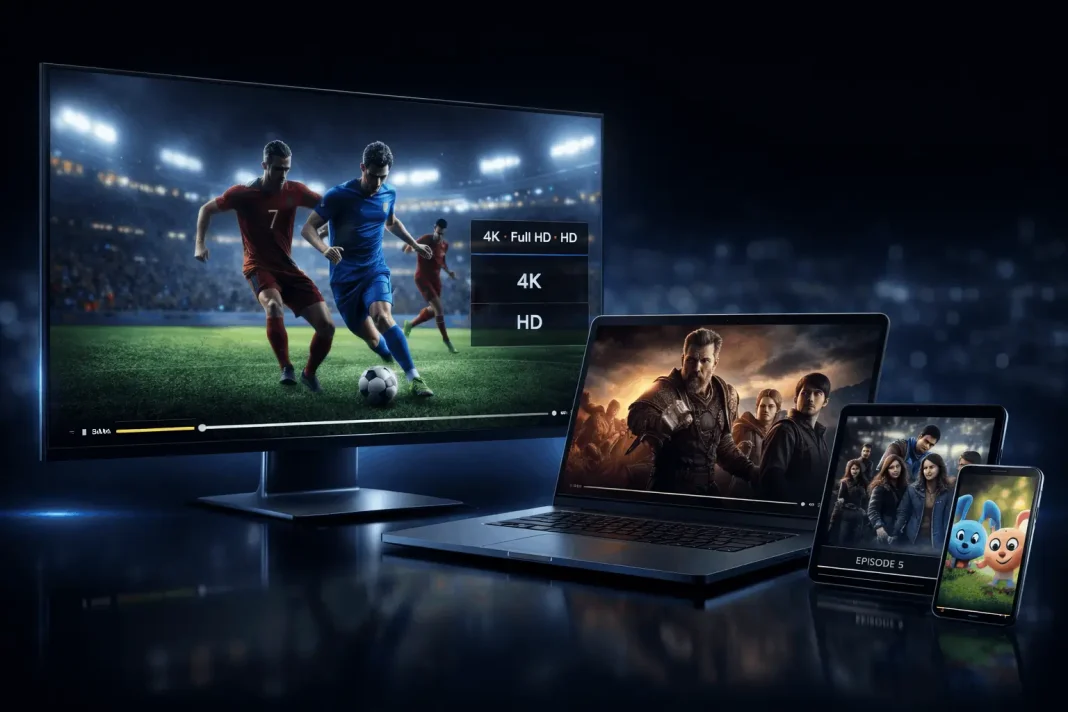
Today, entertainment is often consumed individually through:
- Smartphones
- Tablets
- Smart TVs
- Laptops
- Streaming devices
This shift has made entertainment more personal and portable than ever before.
People now create their own viewing habits based on their schedules, interests, and preferred devices.
Why Viewers Expect Instant Access
One of the biggest changes in modern entertainment culture is the expectation of immediacy.
Streaming platforms allow users to access:
- Movies on demand
- Entire television seasons
- Live sports broadcasts
- International channels
- Documentaries and niche content
This convenience has reshaped audience behavior. Instead of planning around television schedules, viewers expect entertainment to adapt to their lifestyles.
The rise of on-demand culture has become one of the defining features of digital media consumption.
IPTV and the Evolution of Television
IPTV, or Internet Protocol Television, is one of the technologies helping redefine modern entertainment.
Unlike traditional cable or satellite broadcasting, IPTV delivers content through internet connections. This allows viewers to stream television through a wide range of internet-enabled devices without relying entirely on fixed broadcasting systems.
Modern IPTV platforms often combine:
- Live television channels
- Video-on-demand libraries
- Sports streaming
- Multi-device compatibility
- HD and 4K playback
This flexibility has made internet television increasingly attractive to modern audiences.
The Psychology Behind Binge-Watching
Streaming services have also changed the way audiences emotionally engage with entertainment.
Binge-watching became popular because viewers no longer need to wait for weekly episodes. Entire seasons can now be watched continuously, creating deeper immersion in storylines and characters.
Several psychological factors contribute to this behavior:
Continuous Storytelling
Without interruptions between episodes, viewers remain emotionally connected to the narrative.
Convenience
Streaming platforms remove many traditional viewing limitations, making extended watching sessions easier.
Escapism
Entertainment often provides a temporary break from daily stress, and instant access increases this effect.
Although binge-watching has become normal in modern culture, researchers continue studying its impact on attention spans and viewing behavior.
How Technology Improved Streaming Experiences
The quality of streaming today is far more advanced than early internet television systems.
Adaptive Bitrate Streaming
This technology automatically adjusts video quality depending on internet speed to reduce buffering interruptions.
Cloud-Based Infrastructure
Cloud systems allow streaming services to support millions of users and extensive media libraries efficiently.
Content Delivery Networks
CDNs distribute streaming traffic across multiple global servers to improve loading speeds and playback stability.
Artificial Intelligence Recommendations
AI-powered systems analyze viewing behavior to suggest personalized content.
These technologies continue making digital entertainment smoother and more accessible.
Why Sports Streaming Continues Growing
Sports remain one of the strongest drivers of streaming demand worldwide. Fans increasingly expect the ability to watch live games across multiple devices and locations.
Modern sports streaming provides:
- Real-time broadcasts
- HD and 4K quality
- Portable mobile viewing
- Multi-screen experiences
- Faster global sports access
As internet infrastructure improves globally, sports streaming continues becoming a major part of digital entertainment culture.
The Globalization of Entertainment
Streaming platforms have also expanded access to international content. Audiences now regularly consume entertainment from different countries and cultures.
This includes:
- Korean dramas
- European football leagues
- International documentaries
- Foreign-language films
- Global news coverage
Digital streaming has made entertainment more globally connected than at any point in history.
Challenges Facing the Streaming Industry
Despite its rapid growth, streaming technology still faces several challenges.
Internet Dependency
Stable internet access remains essential for smooth playback and high-quality streaming.
Licensing Restrictions
Regional broadcasting rights continue affecting content availability across different countries.
Market Competition
The increasing number of streaming services has created intense competition for audience attention.
Content Saturation
The enormous amount of available entertainment can sometimes overwhelm viewers trying to choose what to watch.
These issues continue influencing the future development of streaming platforms.
The Future of Personalized Entertainment
The future of streaming is expected to become even more interactive and personalized. Advances in artificial intelligence, cloud technology, and 5G networks are likely to improve entertainment experiences significantly.
Future developments may include:
- Smarter recommendation systems
- Faster streaming speeds
- More immersive viewing experiences
- Improved mobile streaming
- Interactive entertainment features
Most importantly, audiences will continue expecting entertainment that fits naturally into their lifestyles.
Streaming technology has already transformed television from a shared scheduled activity into a personalized digital experience available almost anywhere. As internet-based entertainment continues evolving, streaming platforms will remain central to the future of global media culture.