
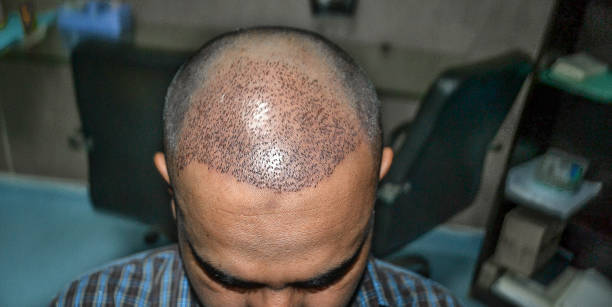
Hair loss is a condition that affects millions of individuals globally, often impacting self-esteem and personal image. While various factors such as genetics, hormonal changes, and lifestyle contribute to thinning hair or baldness, modern medical science has developed highly effective, permanent solutions. Among these, the surgical restoration of hair stands out as the most reliable method for achieving natural-looking and long-lasting results. By relocating healthy hair follicles to areas of thinning or loss, medical professionals can effectively redefine a person’s profile and restore a youthful appearance.
The Science and Evolution of Hair Restoration
A hair transplant is a surgical procedure that involves the extraction of hair follicles from a “donor site” typically the back or sides of the scalp where hair is more resistant to the hormone dihydrotestosterone (DHT) and transplanting them into a “recipient site.” The success of the procedure relies on the principle of donor dominance, meaning the transplanted hair retains its genetic resistance to falling out, even when moved to a different location.
Historically, hair restoration involved “plugs,” which often resulted in an unnatural, “doll-like” appearance. However, the field has transitioned to micro-grafting techniques that allow for the transplantation of individual follicular units. These units naturally contain groups of one to four hairs, and by placing them with precision, surgeons can mimic the natural growth patterns, density, and angle of the patient’s original hair.
Primary Techniques: FUE and DHI
Two of the most prominent methods used in contemporary hair restoration are Follicular Unit Extraction (FUE) and Direct Hair Implantation (DHI). In the FUE method, individual follicles are extracted using a specialized micro-punch tool. This technique is favored because it does not require a linear incision, leaving behind only tiny, dot-like scars that are virtually invisible even with short haircuts. Once extracted, the follicles are kept in a nutrient-rich solution before being placed into channels opened by the surgeon in the recipient area.
DHI is an advanced variation of the FUE technique. It utilizes a specialized tool known as a Choi Implanter Pen. This tool allows the surgeon to extract the follicle and implant it directly into the scalp without the need to first create incisions. This often results in a faster recovery time and allows for higher density in specific areas. Both methods are performed under local anesthesia, ensuring that the patient remains comfortable throughout the duration of the procedure, which can take several hours depending on the number of grafts required.
The Journey: Consultation to Recovery
The process begins with a detailed medical consultation where the scalp is analyzed to determine the density of the donor area and the specific needs of the recipient area. A personalized hairline design is created to ensure the results harmonize with the patient’s facial features and age. During the surgery, precision is paramount; the angle and direction of each graft determine how natural the hair will look once it begins to grow.
The recovery phase is a critical component of the transplant’s success. Immediately following the procedure, patients may experience mild swelling or redness, which typically subsides within a few days. Small crusts form around the transplanted grafts and fall off naturally within one to two weeks. It is important to note the “shock loss” phenomenon, where the transplanted hair shafts fall out a few weeks after the surgery. This is a normal part of the process, as the follicles remain healthy beneath the skin and enter a growth phase. Visible results usually begin to appear after three to four months, with full, final results typically seen between twelve and eighteen months.
Advanced Treatment at Liv Hospital
Achieving an aesthetic and medically sound result requires a combination of surgical expertise and advanced technology. Facilities like Liv Hospital provide a sterile, state-of-the-art environment where highly trained specialists perform these procedures using the latest international protocols. The integration of robotic assistance and sapphire-tipped instruments has further refined the accuracy of the surgery, minimizing tissue trauma and enhancing the overall survival rate of the grafts.
Choosing a specialized HAIR TRANSPLANT clinic ensures that the patient receives comprehensive care, from the initial diagnostic tests to the final post-operative check-up. These centers prioritize patient safety and natural aesthetics, focusing on a holistic approach that considers the patient’s long-term hair health. The use of supportive treatments, such as Platelet-Rich Plasma (PRP) therapy, is often recommended alongside the transplant to stimulate the follicles and accelerate the healing process.
The Role of Holistic Health in Hair Maintenance
While surgical intervention provides a permanent structural solution to hair loss, the quality and longevity of one’s hair are also influenced by internal health factors. Proper nutrition, effective stress management, and a dedicated scalp care routine play vital roles in maintaining the vitality of both existing and transplanted hair. For those looking to optimize their physical health and discover new ways to improve their overall quality of life, exploring resources on live and feel can provide the necessary guidance to complement medical treatments with a balanced, wellness-oriented lifestyle.