
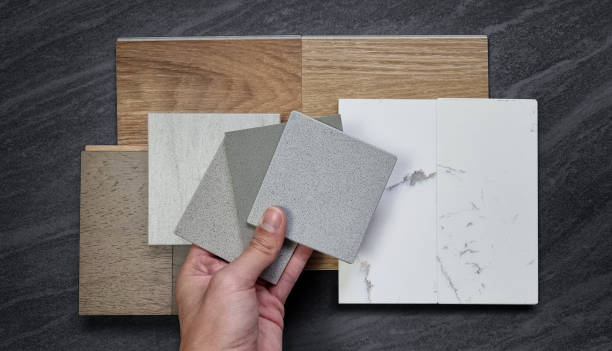
Why italian statuario marble carries a different kind of respect
There’s marble, and then there’s italian statuario marble. People often throw the word Italian around like it’s just a marketing trick, but in this case, it actually means something. I didn’t fully believe that until I started seeing the difference side by side. Once you’ve stood in front of an actual Italian statuario slab, a lot of other white marbles suddenly feel like they’re trying too hard.
What’s interesting is that italian statuario marble doesn’t look flashy at first glance. It’s not shouting for attention. But the more you look at it, the more you notice the depth in the white background and how naturally the grey veins flow. It feels calm, confident, and a bit intimidating, like it knows it’s been admired for centuries and doesn’t need approval anymore.
A small moment that made me understand the Italian part
I remember visiting a stone warehouse where they had multiple statuario slabs lined up. Same name, same category, different origins. Then the dealer pulled out one slab and casually said, This one’s Italian. The difference wasn’t dramatic in a photo-friendly way, but in person, it was obvious. The white was cleaner, not chalky. The veins weren’t scattered randomly, they had direction.
It reminded me of the difference between fast fashion and tailored clothing. Both cover you, but one just fits better. Italian statuario marble has that tailored feel. You don’t always notice it immediately, but your brain registers that something feels right.
Where italian statuario marble actually comes from
Most genuine italian statuario marble comes from the Carrara region in Italy. This area has been famous for marble since Roman times, literally. Sculptors like Michelangelo used marble from these quarries, which still blows my mind a little. The same mountains, the same stone, just now used for kitchen islands instead of statues.
What many people don’t realize is that statuario is rarer than Carrara marble. Not every block extracted qualifies as statuario. The criteria are strict, especially when it comes to whiteness and vein structure. That’s a big reason italian statuario marble is limited and expensive. You’re not just paying for stone, you’re paying for select stone.
Why italian statuario marble costs more than statuario-type marble
This is where confusion starts. The market is full of statuario-look marbles. Some are from other countries, some are blends, some are just white marble with grey veins labeled creatively. They can look decent, no doubt. But Italian statuario marble has a consistency that’s hard to copy.
The base color is usually brighter, more uniform. The veins feel organic, not printed or forced. Also, Italian processing standards are high. Cutting, finishing, and quality checks are strict, which adds to the cost. Add shipping, import duties, and limited supply, and the price naturally climbs.
I’ve heard people complain it’s overpriced. Maybe. But I’ve also seen cheaper alternatives age poorly. Yellowing, uneven wear, dull finishes. That’s when the initial savings stop feeling like a win.
Living with italian statuario marble in real spaces
One thing I appreciate about italian statuario marble is how it reacts to light. Morning sunlight brings out subtle details in the veining. Evening lights make it look warmer and softer. It doesn’t stay flat-looking throughout the day. Floors, countertops, wall cladding, all behave slightly differently depending on the lighting, and that keeps the space from feeling boring.
That said, it’s still marble. It needs care. Acidic spills, harsh cleaners, neglect, they’ll all leave marks. I’ve seen homeowners panic over the first etch mark like it’s the end of the world. Personally, I think minor imperfections give it character. Like wrinkles on a face. If you expect it to behave like ceramic tiles, you’ll be disappointed. If you treat it like a natural material, you’ll probably enjoy it more.
How designers actually use italian statuario marble today
Earlier, italian statuario marble was used everywhere. Floors, walls, counters, everything white. These days, designers are more selective. They use it as a highlight. A kitchen island, a statement wall, a bathroom vanity. Pairing it with wood, matte finishes, or darker tones makes it stand out even more.
There’s also a trend of vein-matching slabs, especially on walls. When done right, it looks incredible. When done badly, it looks chaotic. This is where experienced installation matters more than the marble itself. Even the best stone can look average if installed carelessly.
Online hype vs long-term reality
Social media has definitely fueled the obsession with italian statuario marble. It photographs beautifully, no doubt. But real-life satisfaction depends on expectations. People who buy it because they love natural stone usually stay happy. People who buy it because it’s trending sometimes regret the maintenance part.
I’ve seen comments where people say, Too high maintenance, not worth it. And others replied, Best decision ever. Both are right, in their own way. It depends on what kind of homeowner you are.
Is italian statuario marble still worth choosing today
My honest, slightly imperfect opinion. Yes, if you value timeless design and are okay with caring for it. No, if you want something you can ignore completely after installation. Italian statuario marble isn’t practical in a lazy way. It’s practical in a long-term, aesthetic way.