
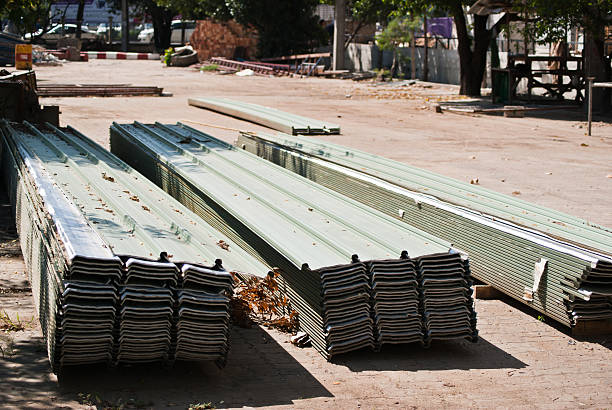
When it comes to building a roof or decking, most people think about color or style first. But honestly, if you skip paying attention to something like deck sheet weight, you might be setting yourself up for a headache later. I’ve seen it firsthand—one friend tried saving a few bucks on lighter sheets, and the result? Panels bending like spaghetti under a heavy rain. Lesson learned the hard way.
Now, if you’re curious about getting it right from the start, a good place to check is deck sheet weight. They’ve got a solid range and clear specs that make this whole “weight vs strength” thing less confusing.
Why Deck Sheet Weight Isn’t Just a Number
At first glance, deck sheet weight might seem like some boring technical detail only engineers care about. But here’s the deal: weight determines durability, load-bearing capacity, and even how long your roof lasts before it starts sagging. Think of it like a mattress—sure, a feather-light one is easier to move around, but will it support your cousin who jumps on it like a kangaroo? Probably not.
Heavier sheets usually mean thicker metal or stronger material. This isn’t just about handling rain or wind; it affects insulation too. The heavier your deck sheet, the less it’ll flex under pressure, meaning fewer leaks and cracks over time. And let’s be honest, nobody likes a roof that starts making that weird creaking noise every time a storm passes through.
Material Matters Alongside Weight
It’s easy to obsess over numbers, but material counts just as much. GI sheets, aluminum, or composite deck sheets all have their quirks. For instance, a GI sheet might feel heavy at first, but its corrosion resistance makes it last way longer in coastal areas. Aluminum sheets are lighter but can dent if you drop a toolbox on them. Choosing based purely on weight is like picking shoes by color alone—sure, they look nice, but will they survive your daily chaos?
This is why a reliable supplier like deck sheet weight becomes a game-changer. They not only give you exact weight specs but also guidance on material types suitable for different climates and loads. I’ve actually spent hours scrolling through forums and social media groups where folks debated this, and the advice usually boils down to “don’t cheap out on weight.”
How Weight Affects Installation and Cost
Another thing I noticed—people underestimate the installation headaches of heavier sheets. They’re tougher to handle, need more manpower, and sometimes even special equipment. On the flip side, lighter sheets are easier to install but may cost more in the long run because they need replacement sooner. It’s one of those “spend now or pay later” situations, like buying a cheap phone charger that fries your phone after six months.
Cost-wise, heavier deck sheets might sting your wallet upfront, but they often save money over time. Less maintenance, fewer repairs, and no mid-monsoon roof drama. And if you’re tracking online chatter, people constantly rave about the “peace of mind” that comes with a robust deck sheet. Nothing like scrolling through Twitter or Reddit and seeing dozens of posts saying, “I installed the heavier sheet, zero leaks, zero drama.” It’s like reading roofing testimonials, but more real than the glossy ads.
Practical Tips for Choosing the Right Deck Sheet Weight
While specs are crucial, practical experience counts too. I remember helping my cousin choose sheets for his backyard shed. We measured roof span, considered load from rainwater and occasional furniture, and then cross-checked weight options. Turns out, a mid-range weight was perfect—heavy enough to resist bending, but not a nightmare to lift.
Checking with trusted suppliers, especially those who provide clear details like deck sheet weight, simplifies this whole process. They usually advise based on roof size, intended use, and local weather conditions. Honestly, having someone walk you through it beats guessing from some random forum post.
Final Thoughts: Weight Isn’t Everything, But It’s Close
At the end of the day, choosing a deck sheet is about balance—literally and figuratively. You need a weight that supports structure, a material that resists weather, and a supplier that can guide you without trying to upsell the fanciest, shiniest option. Light sheets might save you energy now, but heavier sheets save you headaches later.
So, next time you’re thinking about decking or roofing, remember to check deck sheet weight before you get carried away by colors or shiny coatings. Trust me, your future self—and your roof—will thank you.